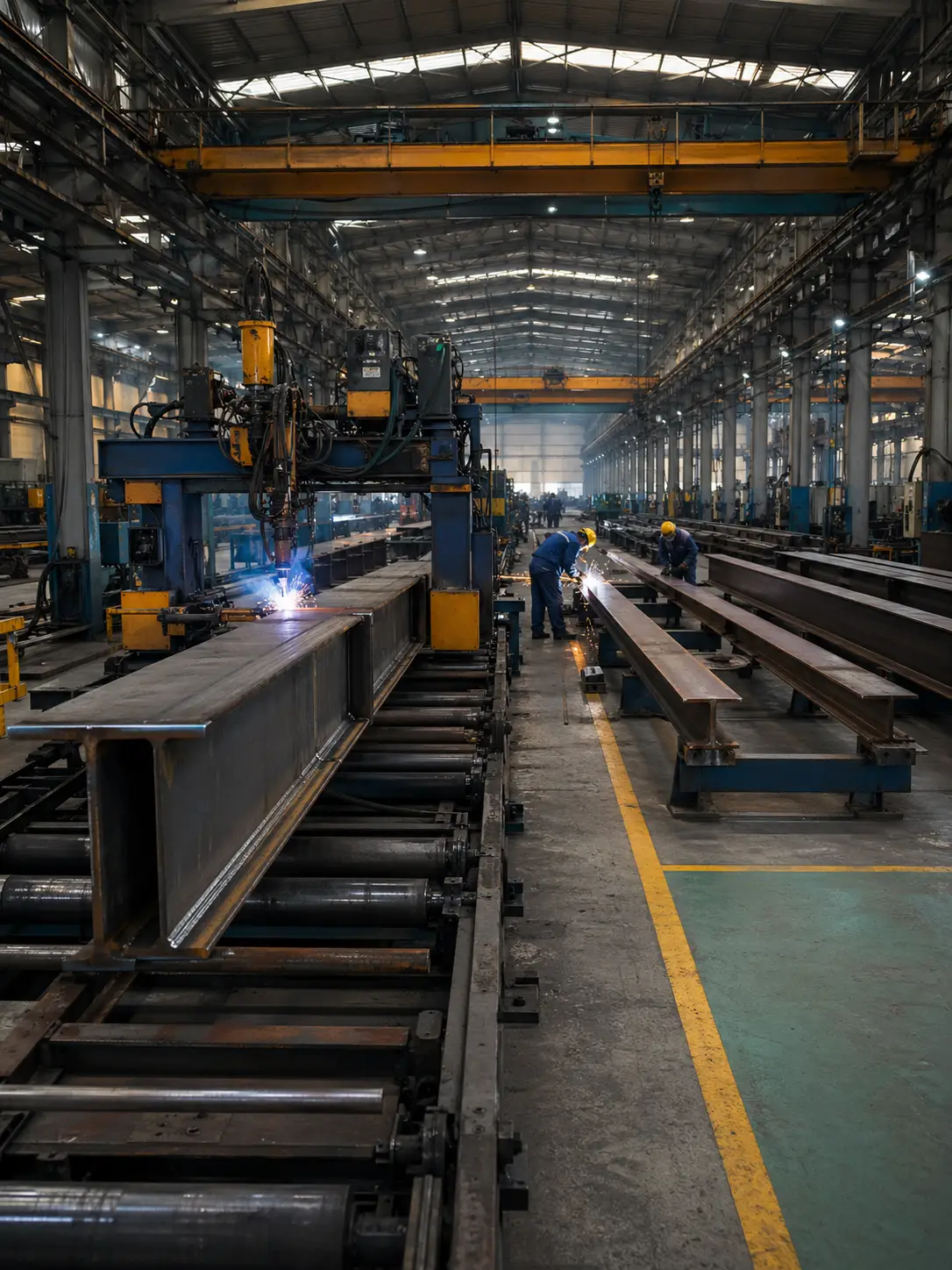
Grid Structures in Steel Buildings: Types and When to Use
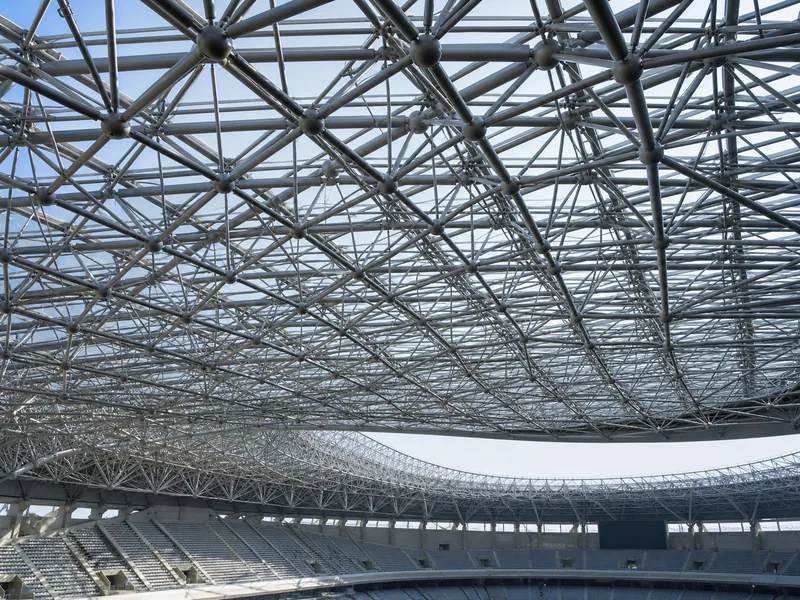
Grid structures span wide, column-free roofs with a mesh of members and nodes. Compare planar vs space grids, single vs double layer, and when to use one.
Grid structures span wide, column-free roofs with a mesh of members and nodes. Compare planar vs space grids, single vs double layer, and when to use one.
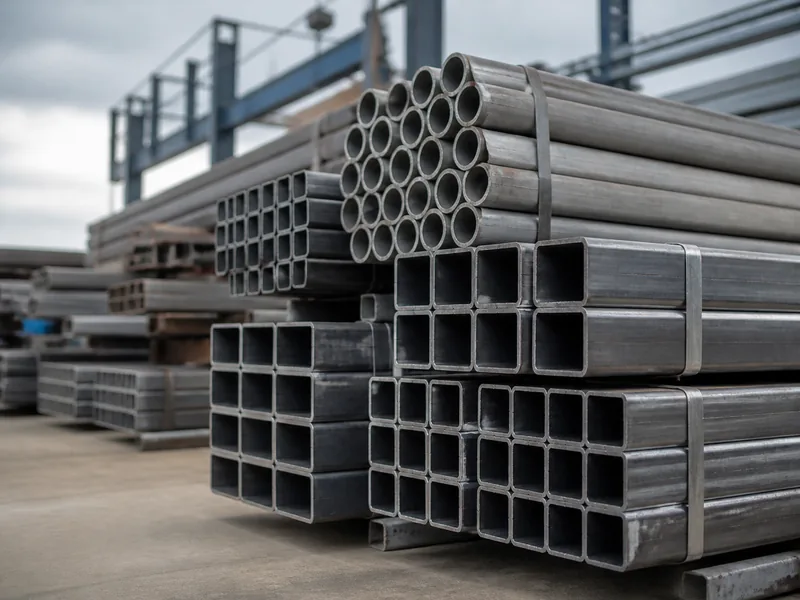
Tube steel structure means HSS members—the closed square, rectangular, and round sections that frame steel buildings. See shapes, ASTM grades, and uses.
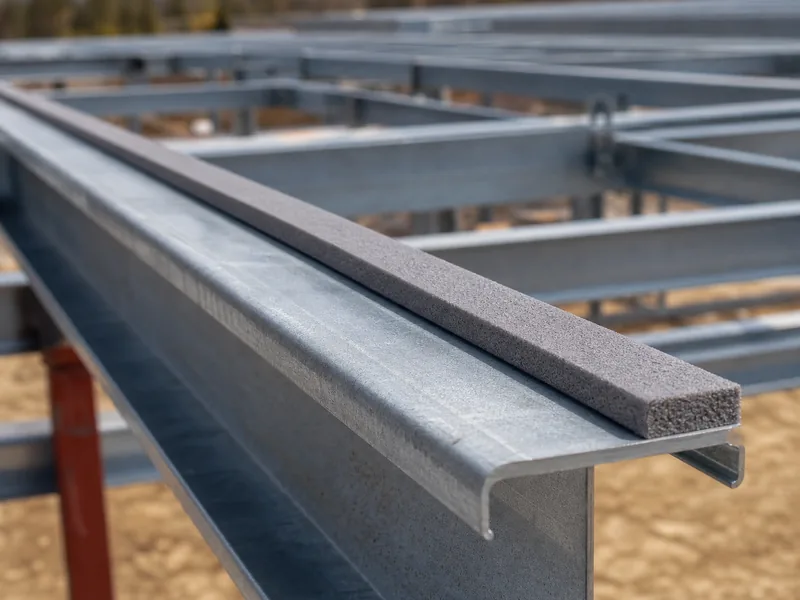
Thermal break tape for metal buildings stops metal-to-metal bridging at purlins and girts. See what it does, key specs, R-value limits, and tape vs blocks.
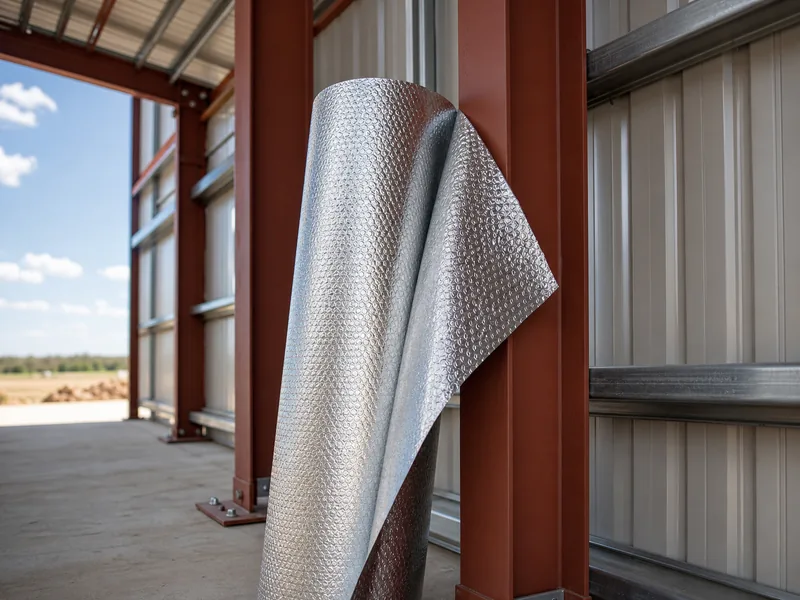
On its own, double bubble insulation carries an R-value of about R-1. That sits well below the R-8, R-17, or R-22 figures stamped on many rolls sold for metal buildings, and the gap is not a misprint. Those higher numbers describe a system, the reflective foil plus a sealed air space facing it, not the … Read more
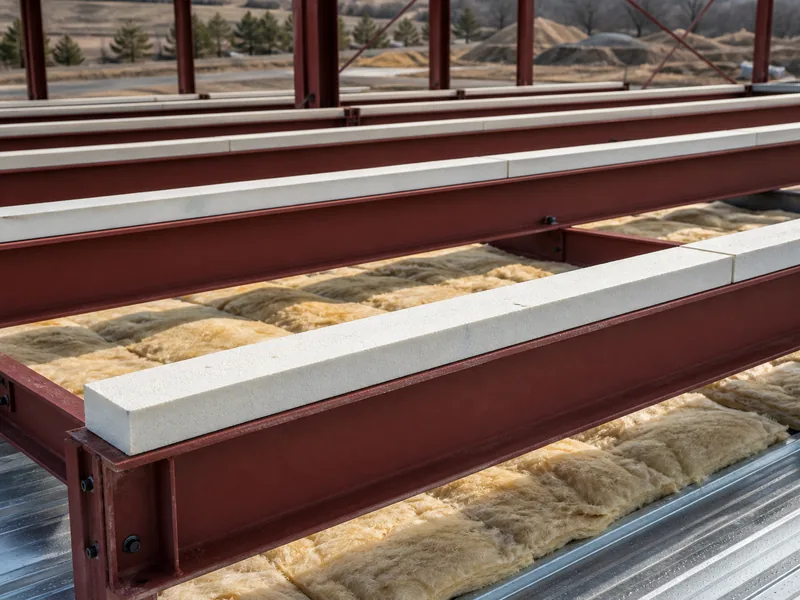
A thermal block is a strip of rigid foam set between a metal building’s outer panel and the steel purlin or girt behind it. Its job is to stop the panel from sitting directly on cold steel, and that contact point matters more than most spec sheets suggest. Where a roof panel screws down onto … Read more
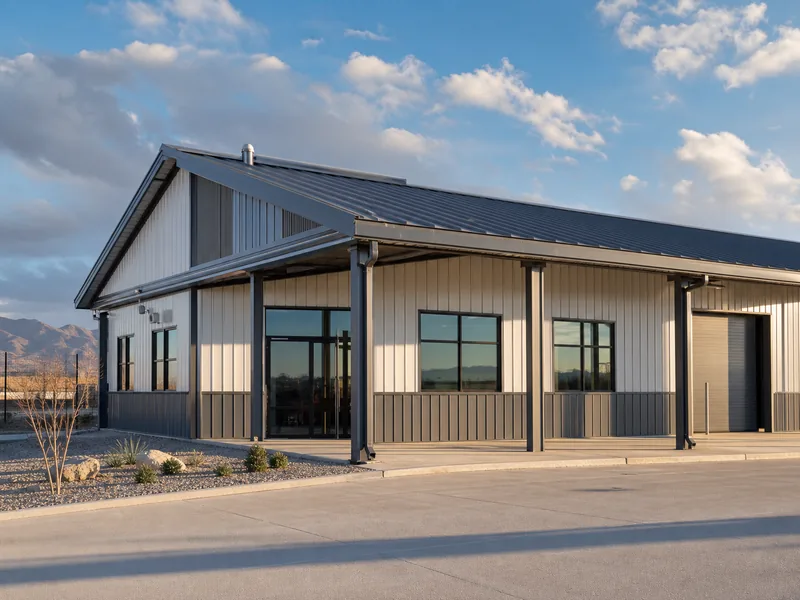
Commercial building insulation requirements come from the energy code your local jurisdiction has adopted, almost always a version of the International Energy Conservation Code (IECC) or ANSI/ASHRAE/IES Standard 90.1. Both codes set a minimum amount of insulation for every part of the building’s thermal envelope, written either as a prescriptive R-value or as a maximum … Read more
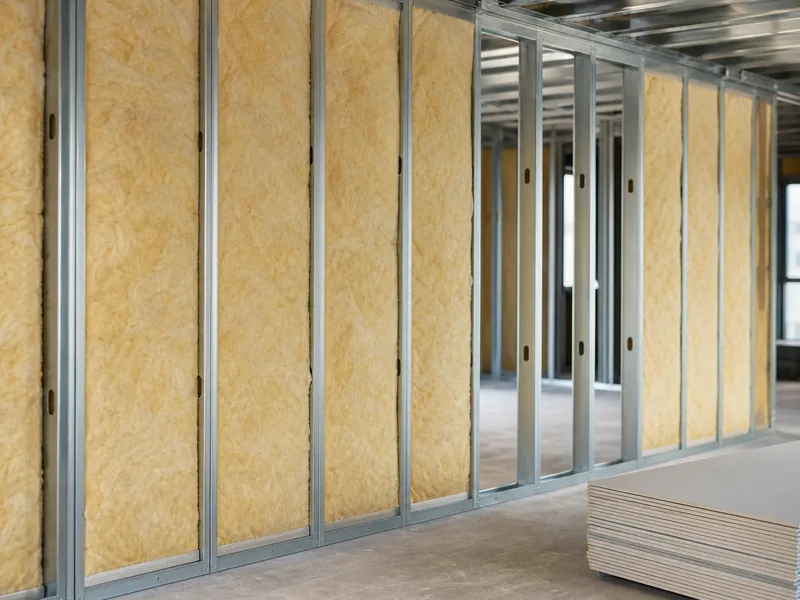
A fiberglass batt rated R-19 stops delivering R-19 the moment it sits between steel studs. Steel conducts heat hundreds of times faster than wood, so each stud works as a thermal bridge that carries heat around the cavity fill rather than letting the insulation stop it. Code-referenced tables put the effective rating of that R-19 … Read more
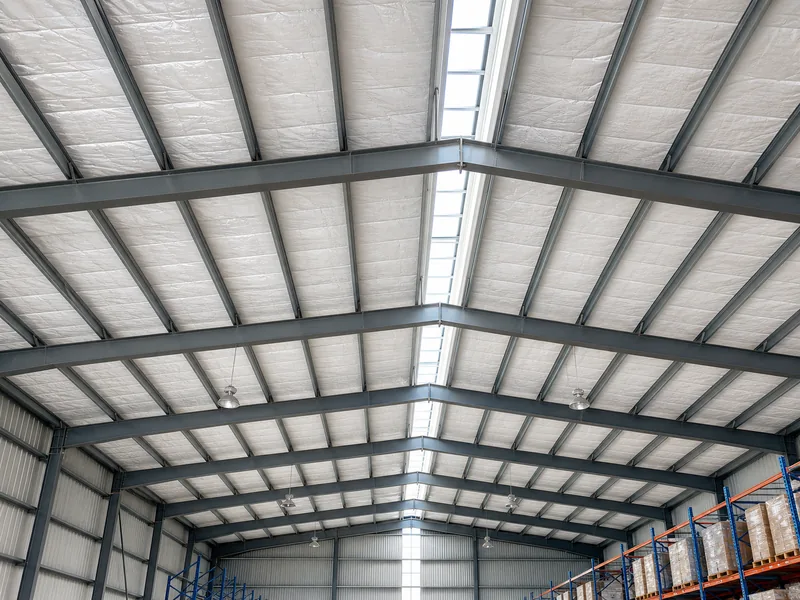
A warehouse ceiling does two jobs at once. It slows the heat moving through the roof plane, and it keeps the underside of the roof warm enough to stay clear of the dew point, so condensation never forms. Those two jobs shape almost every other choice — which material you install, the R-value you target, … Read more
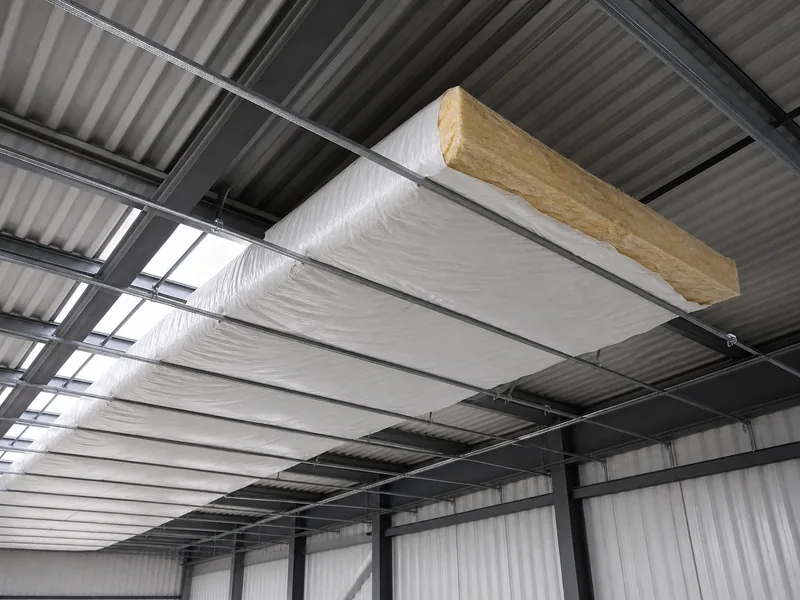
Most metal building insulation retrofits are done from the inside, with the existing roof and wall panels left exactly where they are. That one fact — the steel skin is already fastened — sets a retrofit apart from insulating during erection. It rules out the standard blanket-and-vapor-barrier layer that gets rolled over the purlins before … Read more
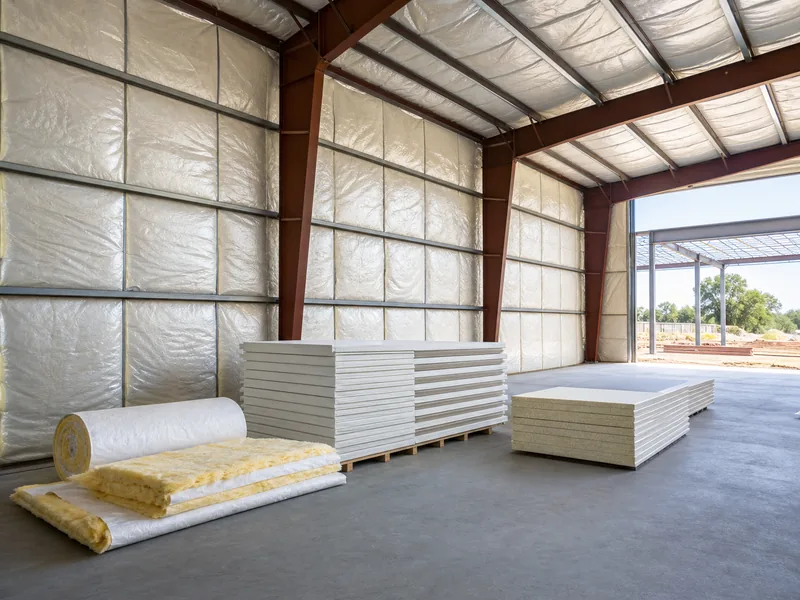
Most building insulation falls into six delivery forms: blanket batts and rolls, loose-fill, rigid foam board, spray foam, reflective and radiant barriers, and panel or structural systems. Each one earns a place in specific parts of a building rather than working everywhere equally well. A draped fiberglass blanket suits a metal building’s walls and roof; … Read more
Factory-direct — initial structural drawings + a detailed price proposal within 3 business days, no obligation.
Every production batch inspected before packing — IAS AC472 independently audited.
Tell us about your project
Our engineers respond within 1 business day.