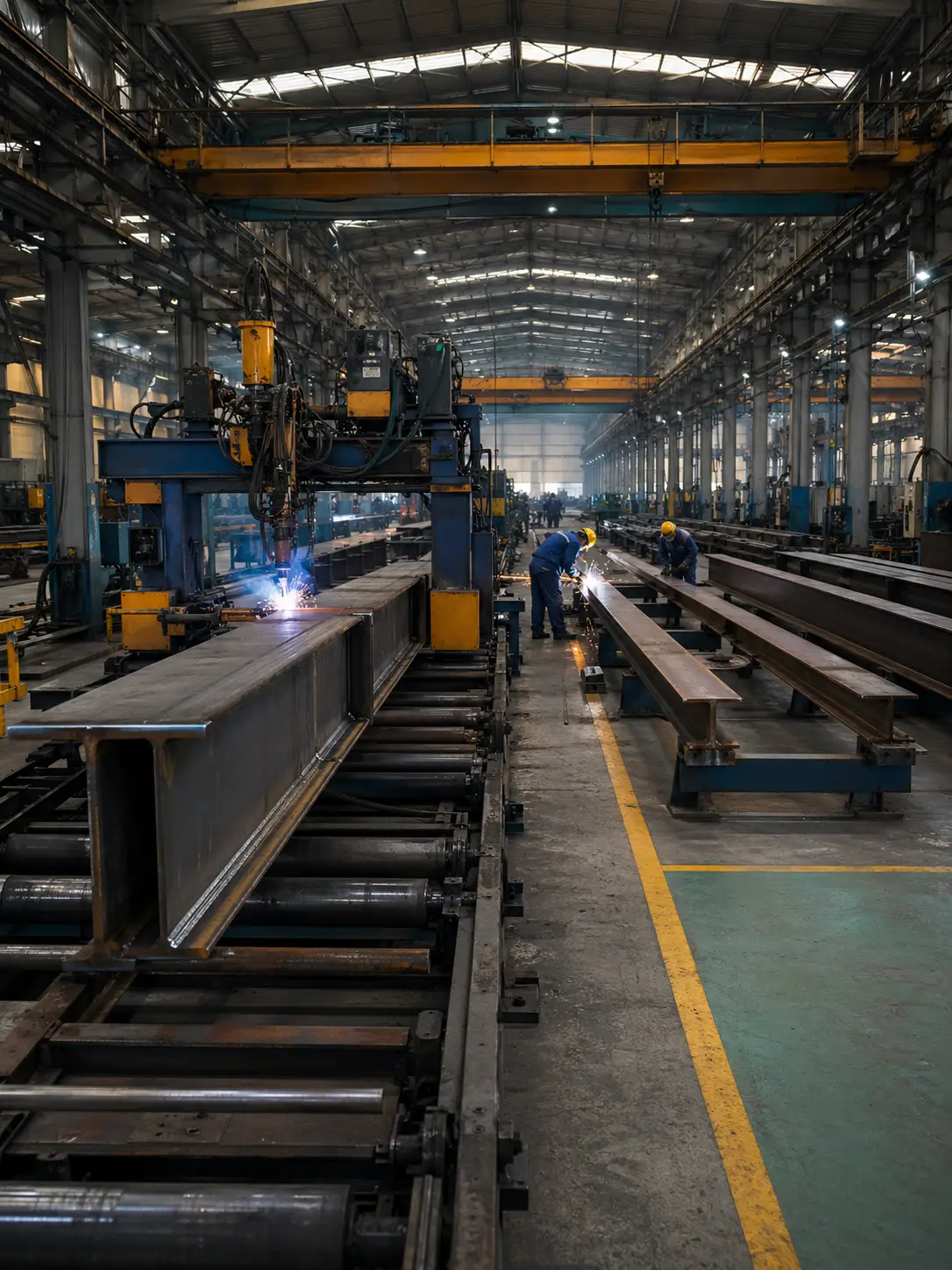





Metal Building Insulation — Thermal Systems & Insulation for Metal Buildings
Uninsulated steel panels have a thermal resistance close to zero. KAFA supplies rock wool, glass wool, PU, and PIR insulation for metal buildings integrated into every building package where thermal performance is required — specified to building use and local climate, not estimated from a rule of thumb. Insulating metal buildings correctly from the design stage determines whether the structure functions as intended. Thermal calculation included with every insulated metal building proposal.
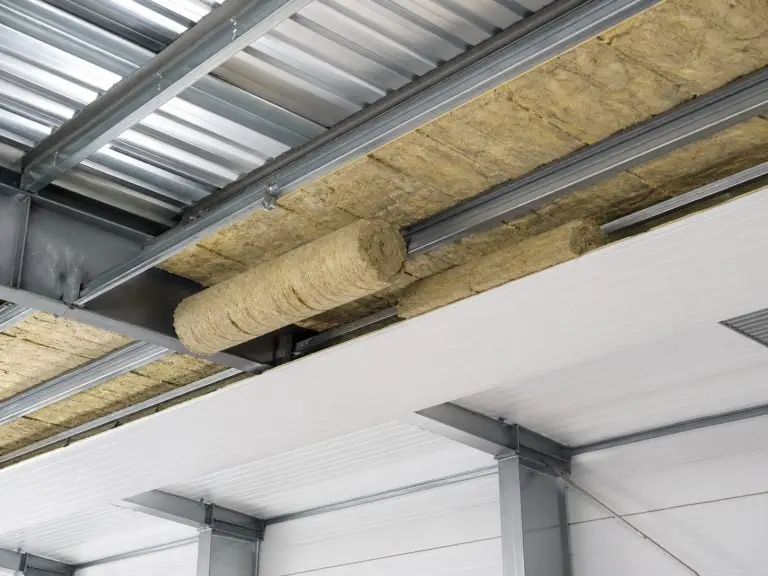
Insulation Is Not Optional
Thermal Performance in Insulated Metal Buildings — A Structural Specification, Not an Upgrade
In tropical climates across West Africa, East Africa, and Southeast Asia, uninsulated steel buildings are not suitable for any occupancy involving personnel, livestock, temperature-sensitive goods, or electronic equipment. This applies equally to metal office buildings, commercial metal buildings, and any occupied facility in a tropical climate.
01 · Surface Heat
A steel roof panel in tropical midday sun reaches an internal surface temperature exceeding 60°C — heat that transfers into the interior within minutes by convection and radiation.
02 · Design-Stage Decision
Insulation must be specified at the design stage — not added after the building is erected. Retrofitting requires opening the entire envelope at a cost equal to or exceeding the original spec.
03 · Thermal Calculation
Thickness matched to building use and local climate — not specified from a generic rule of thumb that produces under-performance or unnecessary cost.
04 · Vapour Barrier
Required in tropical climates — without it, moisture infiltrates the insulation cavity and accelerates panel corrosion from the inside out.
Thermal Resistance of Bare Steel Panel
An uninsulated steel panel provides essentially zero thermal resistance — equivalent to placing a sheet of aluminium foil between the outdoor sun and the building interior.
Standard Tropical Application Thickness
Rock wool or glass wool blanket thickness for occupied buildings in West Africa and Southeast Asia — 75 mm minimum for non-air-conditioned, 100–150 mm for air-conditioned facilities.
Cold Storage Panel Thickness Range
PU or PIR insulated sandwich panel thickness for cold storage — 80–100 mm for chill stores at 0–8°C; 150–200 mm for deep freeze at −18°C to −25°C.
Thermal Performance Calculation
How Metal Building Insulation Performance Is Calculated — U-Value and Thickness
Insulation thickness cannot be estimated from a general rule. It is calculated from the U-value target, which depends on building use, local outdoor design temperature, and whether air conditioning is present.
What Is a U-Value?
U-value (thermal transmittance) measures the rate at which heat flows through the complete building envelope assembly — outer panel, insulation layer, air gap, and inner liner — in watts per square metre per degree of temperature difference. A lower U-value means less heat transfer, lower cooling load, lower energy cost, and a more stable interior temperature.
Why Thickness Cannot Be Estimated
The U-value target for a building depends on its use and the local climate. An office in Lagos maintaining 24°C requires a lower U-value than a warehouse storing dry goods in a highland climate. A cold store at −18°C in Bangkok requires a much lower U-value again. Specifying thickness from a rule of thumb produces a result that either under-performs or over-costs.
What KAFA Provides
A thermal calculation matched to building use and local climate is included with every insulated building proposal — delivered within 3 business days for standard configurations. The insulation specification — thickness, material, inner liner provision, and vapour barrier — is confirmed in the first design exchange, not resolved at the installation stage.
Insulation Systems
Four Metal Buildings Insulation Systems — Each the Correct Specification for Specific Conditions
These are not interchangeable options of equivalent performance. Each system is the right specification for a defined set of building use, climate, fire, and installation conditions. The correct metal buildings insulation system is determined by the target U-value, fire classification, and whether the application is above or below ambient temperature.
Rock Wool Blanket Insulation
The specification for buildings with fire safety requirements — industrial plants, government buildings, multi-occupancy commercial facilities, and any project where local building regulations require a non-combustible classification. Rock wool is manufactured from spun stone fibres, classified non-combustible to Class A, and provides good acoustic attenuation for noise-intensive environments such as workshops and manufacturing facilities. It is also the standard specification for steel church buildings and any community facility where fire classification must meet local authority requirements.
Installed as a blanket between the outer panel and an inner liner. Inner liner structural provisions must be specified at the design stage. Typical thicknesses for tropical climate applications: 75–100 mm non-air-conditioned, 100–150 mm air-conditioned.
Glass Wool Blanket Insulation
The most widely used mineral fibre insulation for general commercial, warehouse, agricultural, and light industrial buildings. Lighter and lower in cost than rock wool at equivalent thickness. Non-combustible — meets Class A fire classification depending on product specification. Like rock wool, installed as a blanket between outer panel and inner liner.
Standard specification for occupied buildings in tropical Africa and Southeast Asia: 75–100 mm for non-air-conditioned buildings, 100–150 mm for air-conditioned commercial and office applications where reducing cooling load is an economic priority.
PU Insulated Sandwich Panels
Two steel face sheets bonded to a polyurethane foam core — outer panel, insulation, and inner liner in one factory-integrated assembly. PU foam has a significantly lower λ-value than mineral wool, achieving higher thermal resistance at smaller thickness. For cold storage buildings at 0°C to −25°C, PU sandwich panels are the standard structural specification — not an option.
Also used for high-performance commercial and office buildings where a thin, integrated panel system is preferred over a three-component blanket system. Cold store specification: 80–100 mm for chill stores (0–8°C), 100–150 mm for frozen stores (−18°C to −25°C). B2 fire classification — sufficient for most commercial applications.
PIR Insulated Sandwich Panels
Polyisocyanurate foam core — better fire performance than PU (B1 vs B2 classification) and better dimensional stability at ultra-low temperatures. The specification for blast freezer rooms, deep freeze stores at −18°C to −25°C, and for cold storage facilities in markets where local fire regulations require a higher panel fire rating.
PIR also performs better in high-humidity coastal environments where long-term panel core integrity under moisture exposure is a concern. For blast freezer applications, 150–200 mm PIR is the standard thickness range — panel thickness must be calculated from the target temperature and the local ambient climate, not from a generic cold store table.
Decision Timing
Why Insulating Metal Buildings Cannot Be Done After the Building Is Sealed
The most expensive insulation decision is deferral. Inner liner structural provisions are part of the secondary steel design — they cannot be added after fabrication. There is no practical retrofit path for insulated sandwich panel systems.
The Retrofit Cost Is Equal to or Greater Than the Original Specification
In a blanket insulation system, the inner liner is attached to the secondary steel through purlin cleats and liner support rails that are part of the building’s secondary structure. If the secondary structure was designed without liner provisions, adding a liner later requires drilling through the outer panel, installing brackets through the existing envelope, and re-sealing every penetration. The thermal result is never equivalent to an integrated installation. For insulated sandwich panels, the only retrofit path is removing and replacing the outer skin. We treat insulation specification as a design-stage decision in every initial project proposal.
This Is Where the Decision Matters
Inner liner structural provisions included in secondary steel design. Insulation thickness, liner rail system, and vapour barrier confirmed. Affects component design — cannot be changed after fabrication.
Specification Locked
Insulation blanket thickness, inner liner profile and gauge, and vapour barrier ordered with the structural package. Changes at this stage delay the production schedule.
Sequence Is Fixed
Insulation blanket laid as outer panel is installed, before inner liner closes the cavity. Insulation supply schedule coordinated with erection programme — arrives concurrent with structural steel.
Vapour Barrier — Required in Tropical Climates
Without a continuous vapour barrier on the warm side of the insulation, warm humid air from the building interior migrates into the insulation cavity, cools as it approaches the outer panel, and condenses. Over time, moisture accumulation degrades insulation performance and accelerates corrosion on the inner face of the outer panel. In tropical climates — West Africa, East Africa, Southeast Asia — the vapour drive is higher than in temperate climates, making vapour barrier specification more important, not less. Vapour barrier is included in all insulated building packages for tropical climate projects as a standard design provision.
Building Applications
Insulation Specification Across Every KAFA Building Type
Insulation requirements vary by building type — cold storage facilities require integrated PU or PIR panels; occupied offices and workshops in tropical climates require mineral wool blanket; dry goods storage in temperate climates may operate without insulation. The correct specification is confirmed at the design stage for each project.
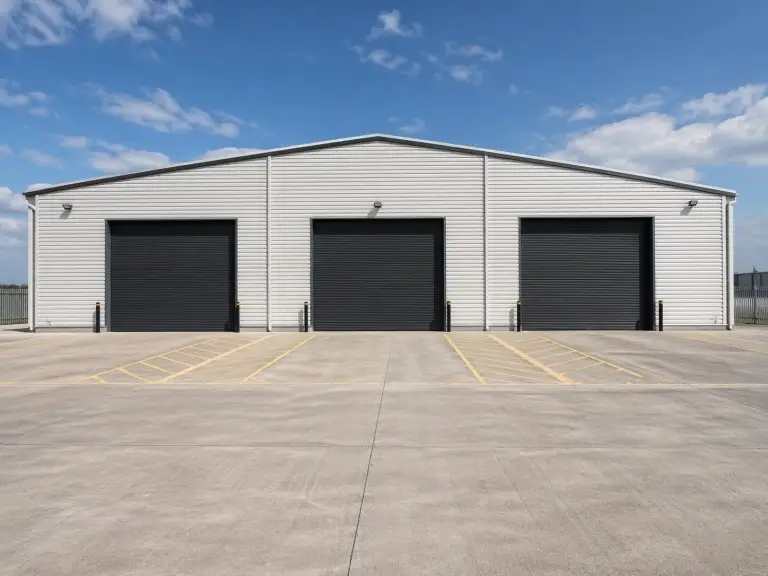
01 · Application
Steel Warehouse Buildings
ISO 9001:2015 Certified · IAS AC472 Accredited · 24+ Years Delivery Prefabricated Steel Warehouse Buildings for Industrial, Logistics & Commercial Projects KAFA designs, fabricates,…
Common Applications
- Logistics & 3PL distribution centres
- Manufacturing & industrial processing
- Agricultural commodity bulk storage
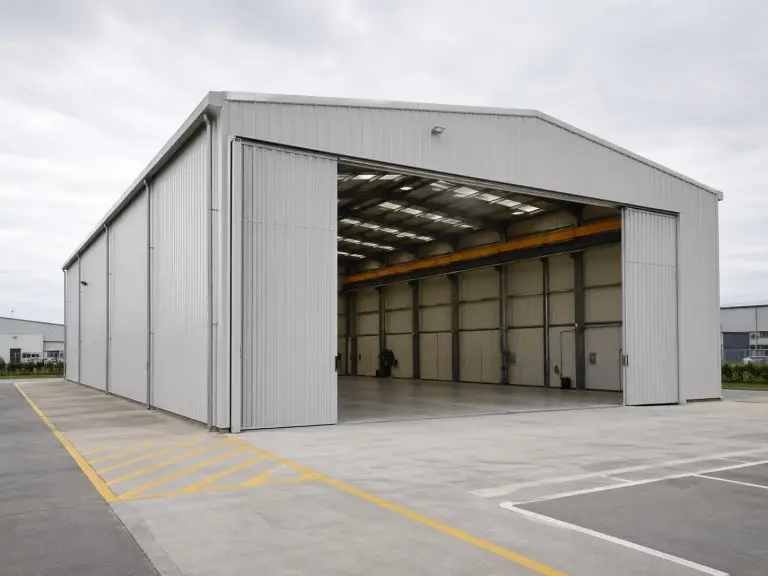
02 · Application
Steel Structure Workshop
ISO 9001:2015 Certified · IAS AC472 Accredited · 24+ Years Delivery Pre-Engineered Metal Workshop Buildings & Prefab Steel Workshop Structures KAFA designs, fabricates, and…
Common Applications
- Automotive fabrication & assembly shops
- Heavy manufacturing & metal processing
- Industrial park multi-tenant units
03 · Application
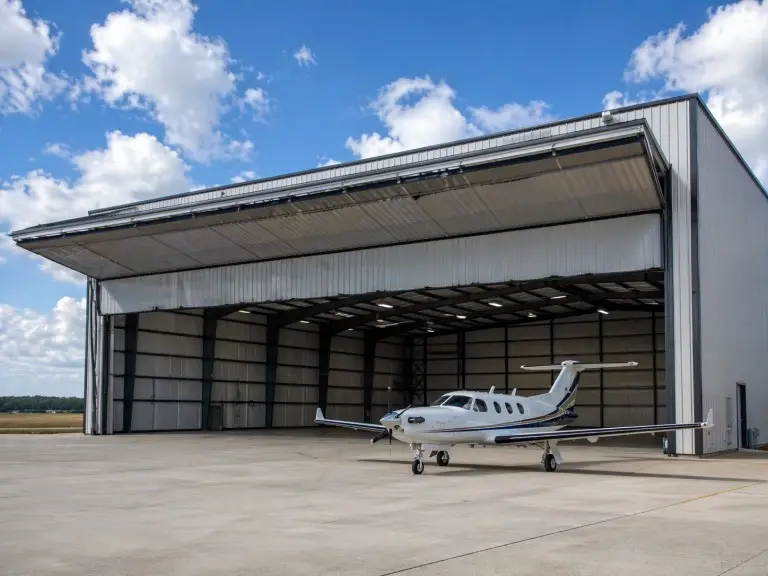
Metal Airplane Hangars
ISO 9001:2015 Certified · IAS AC472 Accredited · 24+ Years Delivery Pre-Engineered Metal Airplane Hangars & Aircraft Hangar Buildings KAFA designs, fabricates, and delivers…
Common Applications
- Aircraft MRO & maintenance facilities
- General aviation storage hangars
- Airport maintenance & operations bases
04 · Application
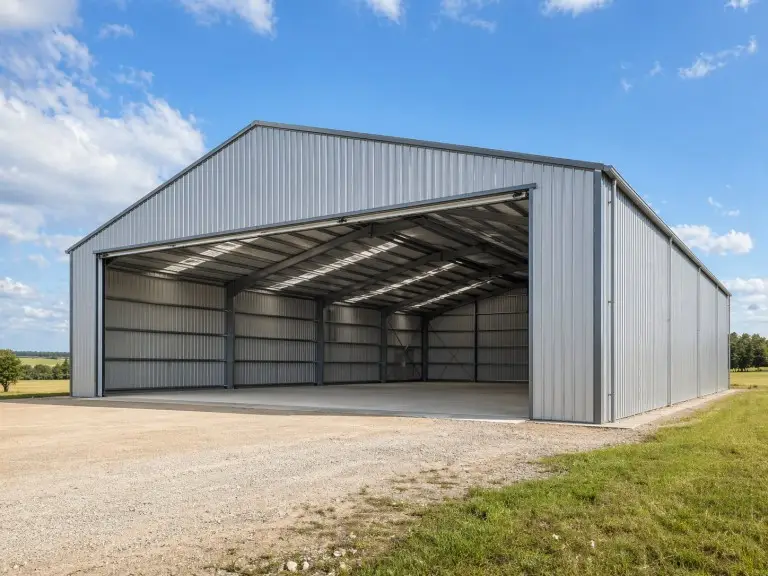
Agricultural Steel Buildings
ISO 9001:2015 Certified · IAS AC472 Accredited · 24+ Years Delivery Pre-Engineered Agricultural Steel Buildings for Commercial Livestock, Grain Storage & Farm Operations KAFA…
Common Applications
- Grain & bulk commodity storage
- Livestock & poultry housing
- Produce export & pack-house facilities
05 · Application
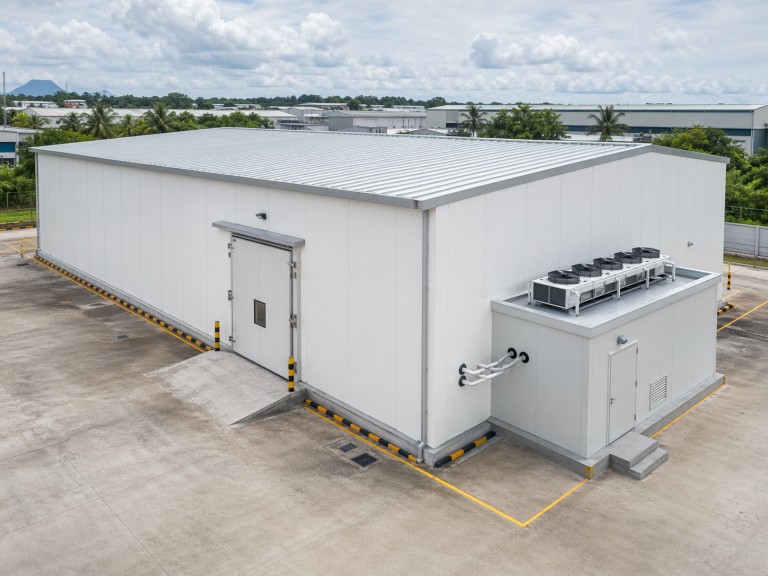
Steel Cold Storage Buildings
ISO 9001:2015 Certified · IAS AC472 Accredited · 24+ Years Delivery Pre-Engineered Steel Cold Storage Buildings & Industrial Cold Storage Warehouses KAFA designs and…
Common Applications
- Food processing chill & freezer stores
- Pharmaceutical cold chain facilities
- Blast freezer & frozen food storage
06 · Application
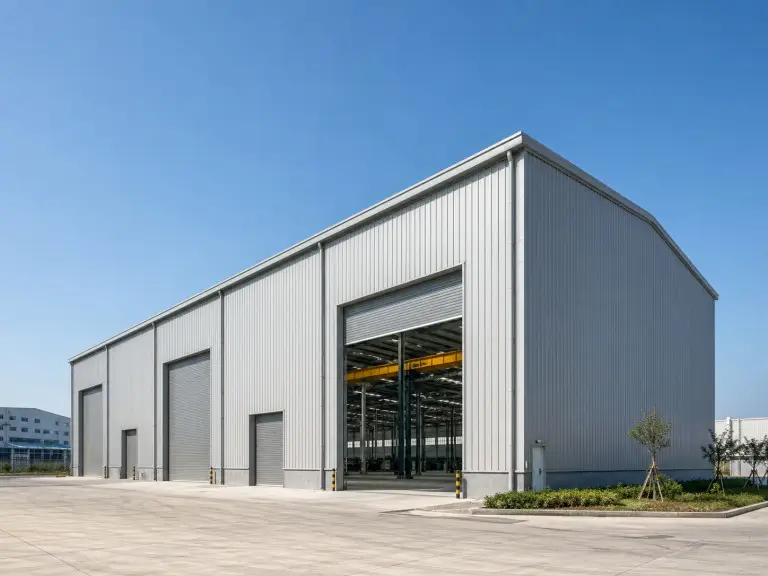
Steel Industrial Buildings
ISO 9001:2015 Certified · IAS AC472 Accredited · 24+ Years Delivery Pre-Engineered Steel Industrial Buildings & Prefab Industrial Metal Structures KAFA designs, fabricates, and…
Common Applications
- Manufacturing complexes & processing plants
- Heavy industry & fabrication operations
- Chemical & industrial processing facilities
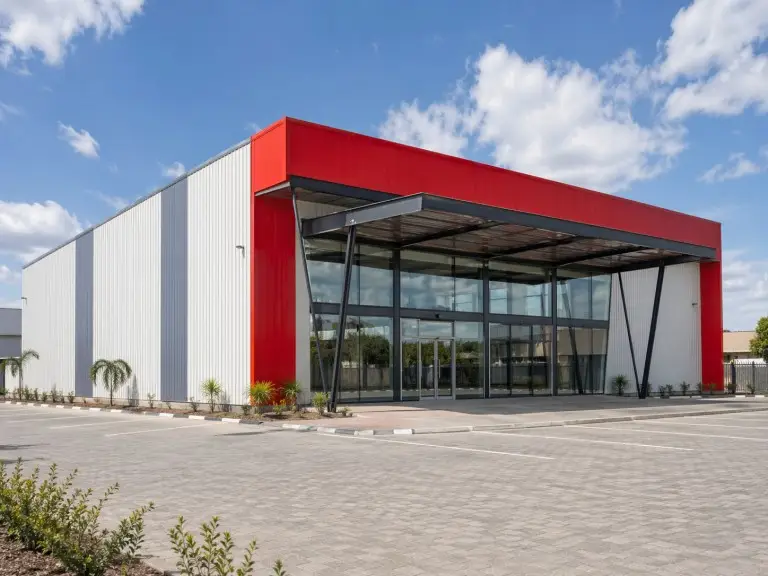
07 · Application
Commercial Metal Buildings
ISO 9001:2015 Certified · IAS AC472 Accredited · 24+ Years Delivery Pre-Engineered Commercial Metal Buildings for Retail, Office & Mixed-Use Development KAFA engineers, fabricates,…
Common Applications
- Retail & e-commerce distribution centres
- Industrial park development projects
- Mixed-use commercial warehouse facilities
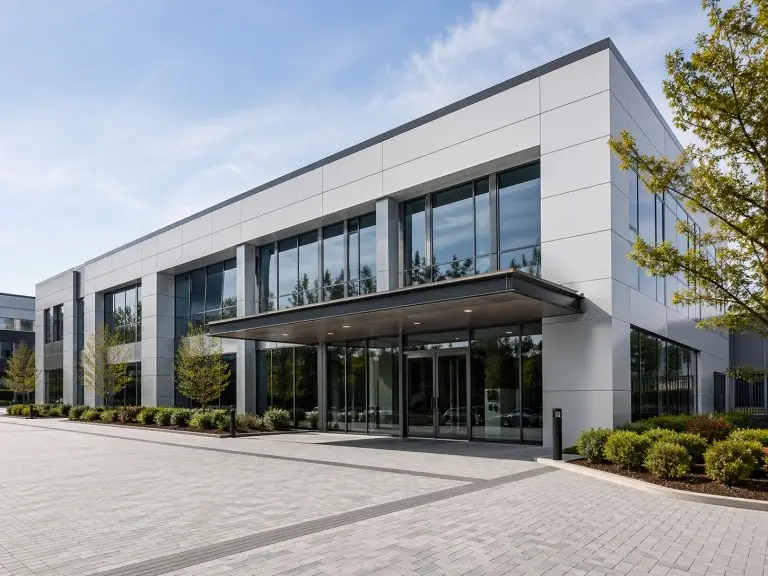
08 · Application
Metal Office Buildings
ISO 9001:2015 Certified · IAS AC472 Accredited · 24+ Years Delivery Pre-Engineered Metal Office Buildings for Corporate, Industrial & Government Projects KAFA engineers, fabricates,…
Common Applications
- Corporate headquarters & admin buildings
- Industrial park office complexes
- Government & institutional facilities
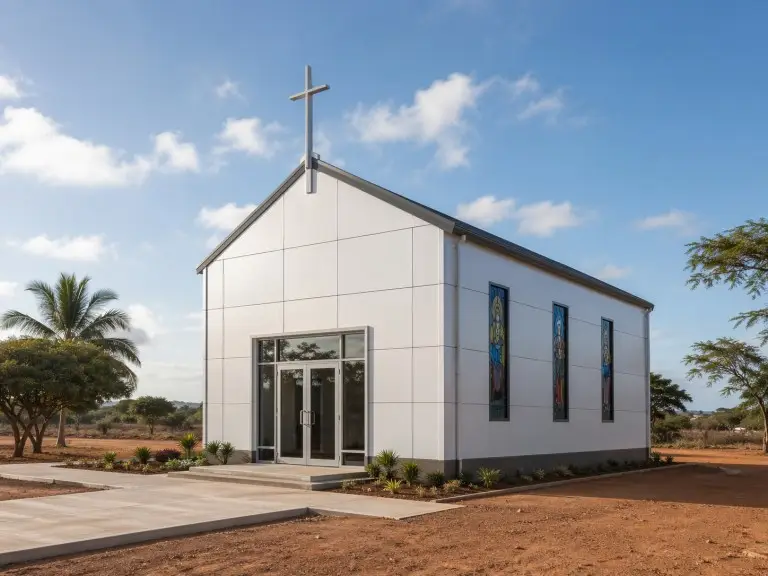
09 · Application
Steel Church Buildings
ISO 9001:2015 Certified · IAS AC472 Accredited · 24+ Years Delivery Pre-Engineered Steel Church Buildings & Prefab Worship Structures KAFA engineers, fabricates, and ships…
Common Applications
- Worship centres & assembly halls
- Multi-purpose community facilities
- Educational & institutional buildings
Frequently Asked Questions
Metal Building Insulation Questions, Answered Directly
Both rock wool and glass wool are mineral fibre blanket insulation with similar thermal performance at the same thickness. Rock wool has slightly better fire performance — reliably classified non-combustible Class A — and provides better acoustic attenuation for noise-intensive environments. Rock wool is heavier and typically slightly higher in cost. For industrial buildings, government facilities, or any project with a stated fire safety requirement, rock wool is the more conservative specification. For general commercial warehouses, offices, and agricultural buildings without specific fire requirements, glass wool is the standard choice at good value for the performance level.
Insulation thickness is determined by the U-value target, which depends on building use, the local outdoor design temperature, and whether air conditioning is present. We produce a thermal calculation for every insulated building project as part of the initial design proposal. For occupied buildings in tropical West African and Southeast Asian climates, the standard configuration is 75–100 mm glass or rock wool for a non-air-conditioned building, or 100–150 mm for an air-conditioned building where reducing cooling load is an economic priority. Specifying 50 mm as a cost-saving measure in tropical climates typically results in a cooling energy penalty that recovers the cost difference within the first year of operation.
Insulated sandwich panels are the mandatory specification for cold storage buildings at any temperature below ambient. For above-ambient applications, the choice between sandwich panels and blanket-plus-liner depends on performance targets, fire classification requirements, and programme considerations. Sandwich panels integrate outer face, insulation core, and inner face into one factory-assembled product, eliminating the on-site blanket-laying and liner-closing sequence. They achieve a given U-value at smaller overall thickness. The trade-off is higher material cost. Where higher thermal performance, a tighter building envelope, or cold storage capability is required, sandwich panel is the appropriate specification.
A vapour barrier is a low-permeability membrane on the warm side of the insulation that reduces the movement of moisture-laden air into the insulation cavity. Without it, warm humid air from the building interior migrates into the insulation, cools as it approaches the outer panel, and condenses. Over time, this moisture accumulation degrades insulation performance and accelerates corrosion on the inner face of the outer panel. In tropical climates with high ambient humidity, the vapour drive is higher than in temperate climates — making vapour barrier specification more important, not less. We include vapour barrier specification in all insulated building packages for tropical climate projects as a standard design provision.
For a building erected without inner liner structural provisions, retrofitting a blanket insulation system requires opening the outer envelope, adding liner support rails to the secondary structure, installing insulation, and re-closing the envelope. This is a substantial construction operation — the cost is typically similar to the original insulation package cost if it had been included at the design stage, and the thermal result is rarely equivalent to an integrated installation. For insulated sandwich panel systems, the only retrofit path is removing and replacing the outer envelope. We treat insulation specification as a design-stage decision and include it in every initial project proposal for buildings in climates where thermal performance is operationally relevant.
Yes. Cold storage buildings at any temperature below ambient require continuous insulated panel envelopes as a structural prerequisite. The thermal load through an uninsulated envelope makes the refrigeration plant required to compensate uneconomic to purchase and to operate. For chill stores at 0–8°C, PU sandwich panels from 80–100 mm are the standard specification. For deep freeze stores at −18°C to −25°C, 150–200 mm PU or PIR panels are required. Panel thickness must be calculated from the target temperature and local ambient climate — not from a generic cold store table. This is addressed in detail on our Steel Cold Storage Buildings page.
For occupied metal buildings in tropical climates, rock wool or glass wool blanket insulation at 75–150mm is standard. Glass wool for general use; rock wool where Class A fire rating is required. Both need a vapour barrier in high-humidity environments. For cold storage metal buildings below ambient temperature, PU or PIR sandwich panels are mandatory.
Confirm Your Insulation Specification
Thermal Calculation Included With Every Building Proposal
Share your building use type, site country and city, whether the building will have air conditioning, whether there are fire classification requirements, and whether a building proposal is already in progress. Our engineering team includes a thermal calculation and insulation specification in the initial design proposal within 3 business days.
Cold Storage Requirement?
Cold Store Insulation Specification Starts Here
For cold storage buildings at any temperature below ambient — chill stores, frozen stores, blast freezers — submit your target temperature, floor area, and site location. Our engineering team produces a PU or PIR panel specification and price estimate within 3 business days.