



Most people start the search for a metal building company by comparing prices, and many come to regret it. The supplier with the lowest number on the quote is often the one that left freight, anchor bolts, or erection out of it. Just as often, it is the one reselling another plant’s frames with little control over what ships. Choosing well is less about finding the “top” name and more about verifying that one company’s engineering, fabrication, and quote actually fit the building you need. Steel has a clear role on span, durability, and speed, and the benefits of steel buildings are well established. But the company you buy from decides whether you actually get those benefits.
When comparing suppliers, verify steel building certifications alongside engineering scope, fabrication control, and installation support.
What “Best” Really Means in a Metal Building Company
The best metal building company is rarely the one with the lowest quote or the longest wall of client logos. It is the one whose capabilities line up with your project: the right frame type for your span, engineering to your local code, and a quote that covers what you actually need delivered. A national brand built on thousands of small garage kits can be the wrong fit for a clear-span warehouse, and a heavy-structure fabricator can be overkill for a backyard workshop. “Best” is a match, not a ranking. Ranked “top company” lists cannot account for your span, your local code, or your site conditions, so a name near the top of one can still be the wrong call for your project.
This matters because the cost of choosing wrong rarely shows up at purchase. It surfaces months later as a building that fails inspection, a frame that doesn’t match the foundation drawings, or a “complete” kit missing the parts that get it weather-tight. The sections below break the decision into things you can verify before you sign rather than discover afterward.
This guide covers how to evaluate a supplier. It does not try to price a specific building, because square-foot costs swing too much by region, size, and finish to confirm responsibly here.
Match the Company to Your Building Type and End Use
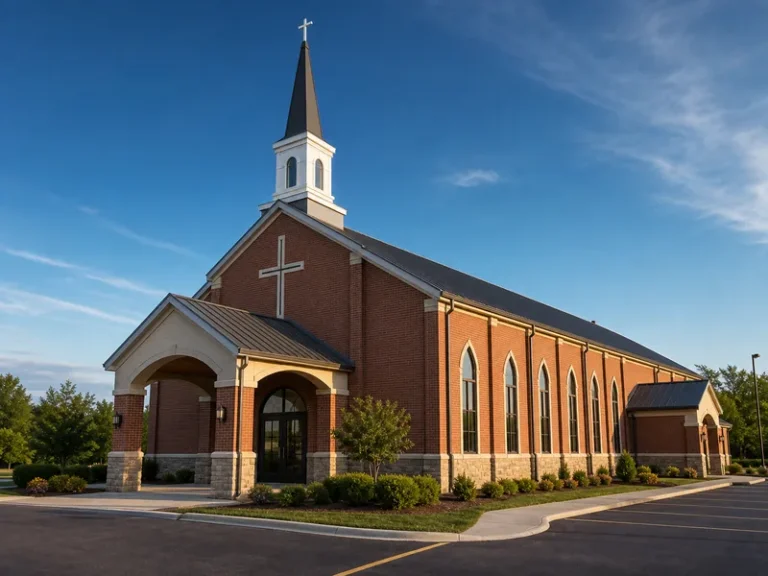
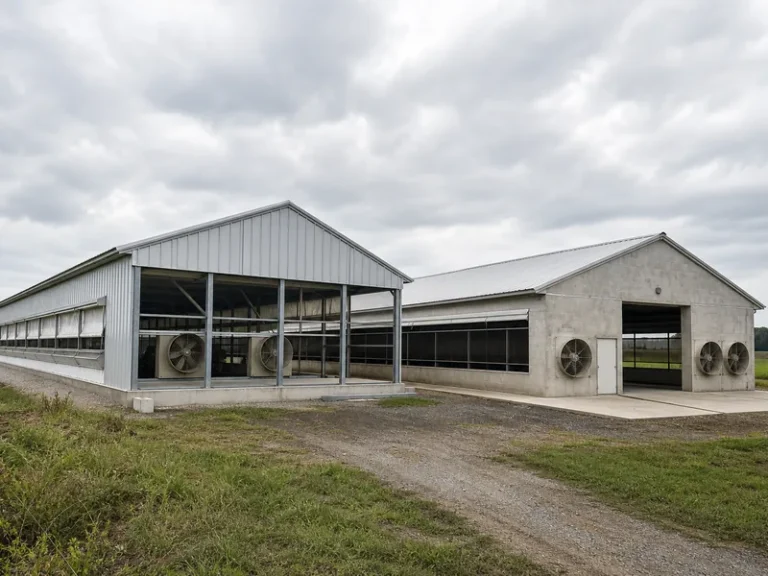
Your building type narrows the field before price ever enters the conversation. A company that excels at agricultural pole barns is not automatically the right call for a two-story commercial office or an aircraft hangar. The framing systems, load engineering, and finish options behind those buildings differ enough that few suppliers do all of them well. Decide what you are actually building first: its use, rough span, clear height, and whether it needs to be insulated or finished inside. Then look only at suppliers who handle that type routinely.
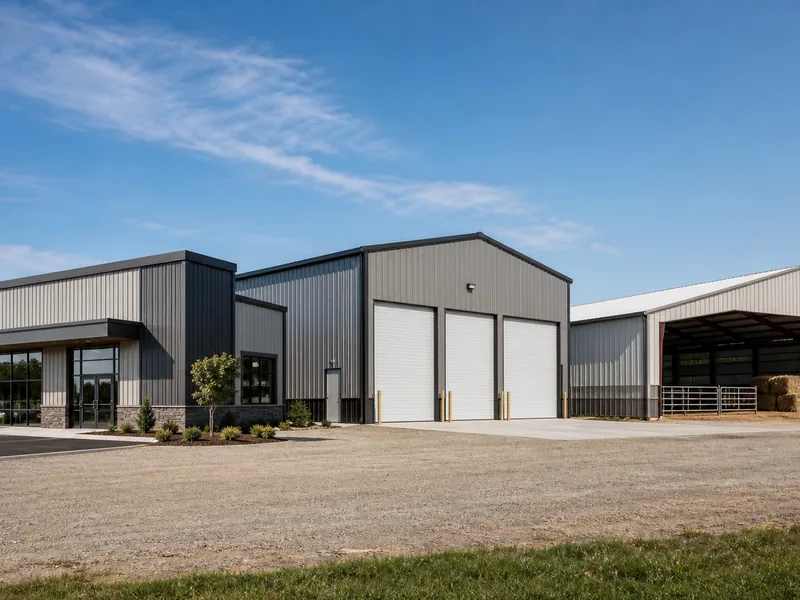
If you are still weighing the structure itself, working through the types of metal buildings first will tell you which suppliers are even worth a call. Matching the company to the job also keeps you from overpaying a heavy-structure fabricator for a building a lighter system would carry just as well. A vendor whose portfolio fits your use case asks sharper questions on the first call and wastes less of your budget on rework later. Ask any shortlisted supplier which similar projects they have actually delivered, because a vague answer here usually means your building would be their learning curve.
Engineering, Qualifications, and Quality Systems to Verify
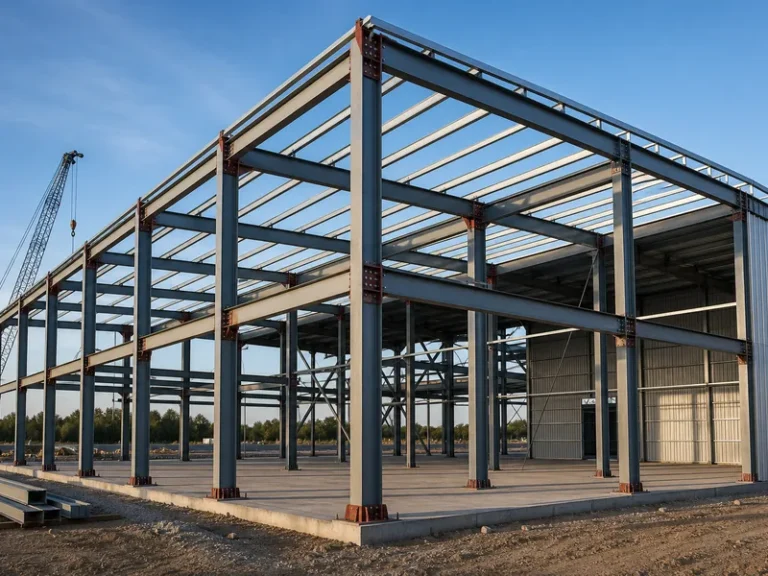
Engineering is the one area where a weak supplier costs you the most and shows it the least. Anyone can sell steel; far fewer can hand you connection details, anchor-bolt layouts, and reaction loads stamped to the design code your project’s location enforces. In the United States that usually means IBC for permitting and AISC for steel design, with drawings sealed by a licensed engineer. In other markets it means the structural drawings, design-code basis, and engineer or authority approval your local jurisdiction accepts. On heavy or wide-span frames especially, the detail that separates a sound supplier from a risky one is whether those sealed drawings exist at all, not how polished the brochure looks.
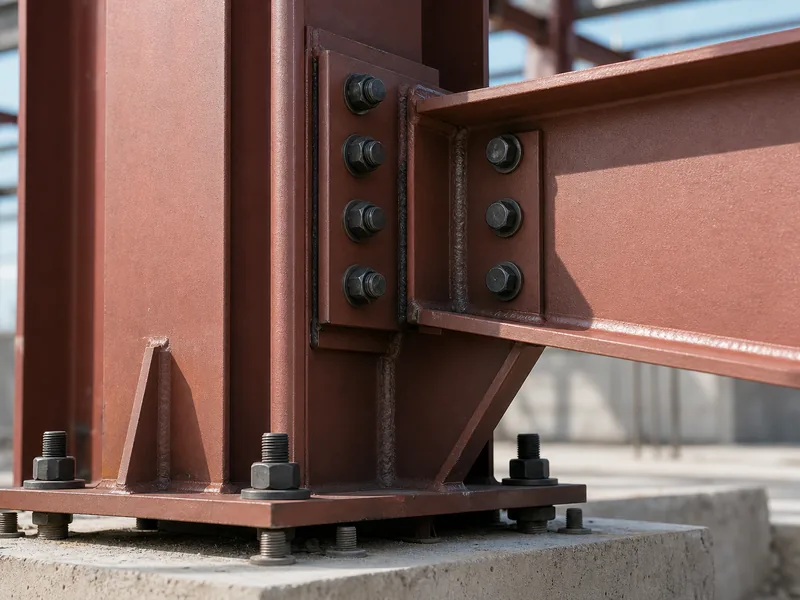
Qualifications and a named quality system are how you check this without being an engineer yourself. A manufacturer that holds design, fabrication, and installation qualifications for both light and heavy steel, and that works under documented quality procedures as KAFA does, can reduce the handoff risk that appears when those roles sit with separate parties. Final responsibility still depends on the contracted scope, local permits, and engineering review, so treat qualifications as a filter rather than a guarantee. Ask for the quality certification by name, ask whether engineering is done in-house, and ask to see a recent project of similar type and size. Durability is a downstream result of this stage, so if you want to understand how long do metal buildings last, start by checking who engineered and detailed the building in the first place.
In-House Fabrication and Customization Capability
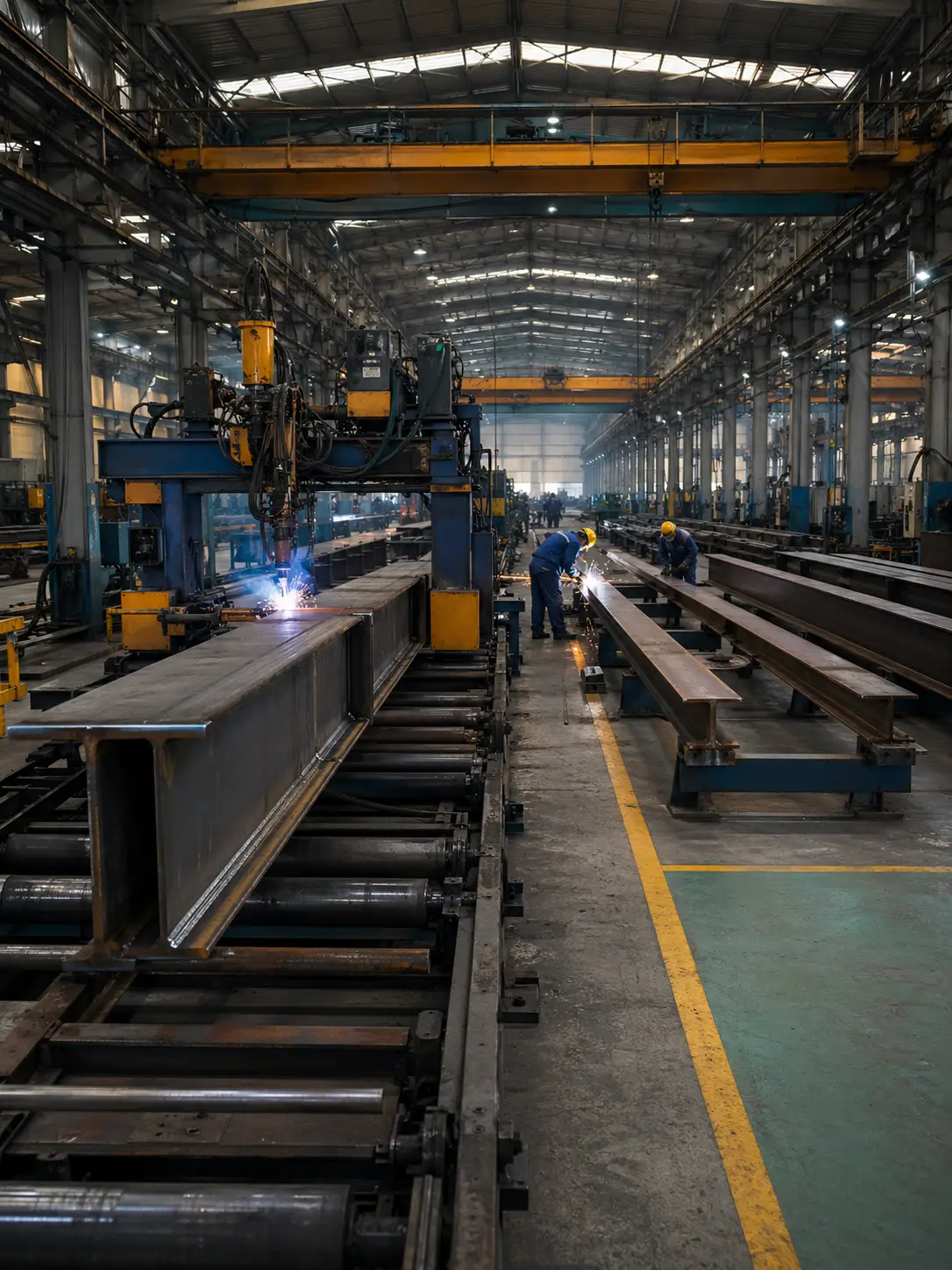
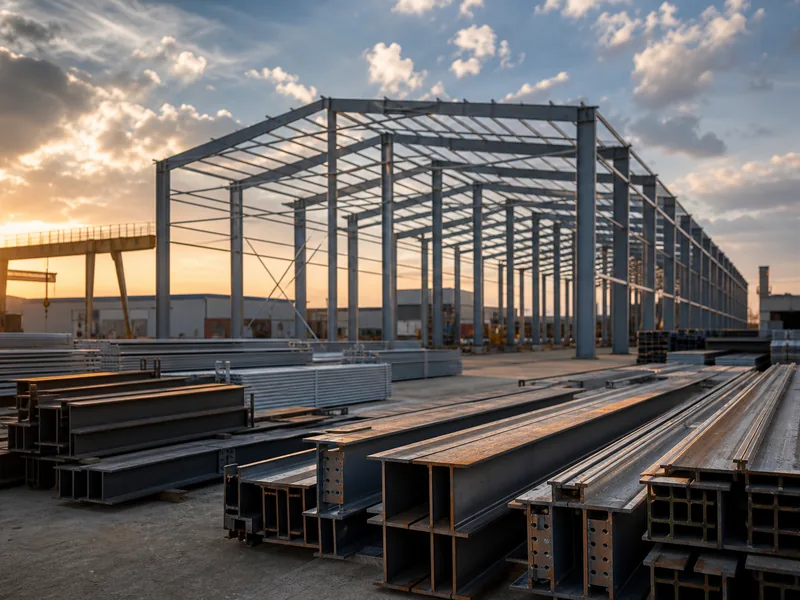
A company that fabricates its own steel can improve traceability and process control in ways that are harder to verify through a reseller unless the documentation is clear. When framing is subcontracted out and only bolted together on site, weld quality, section tolerances, and coating consistency become harder to trace back to anyone in particular. A plant that runs its own primary lines can hold those tolerances and cut sections to the project instead of forcing the project onto stock parts. That control is also what makes real custom metal buildings possible rather than a catalog with a handful of size options.
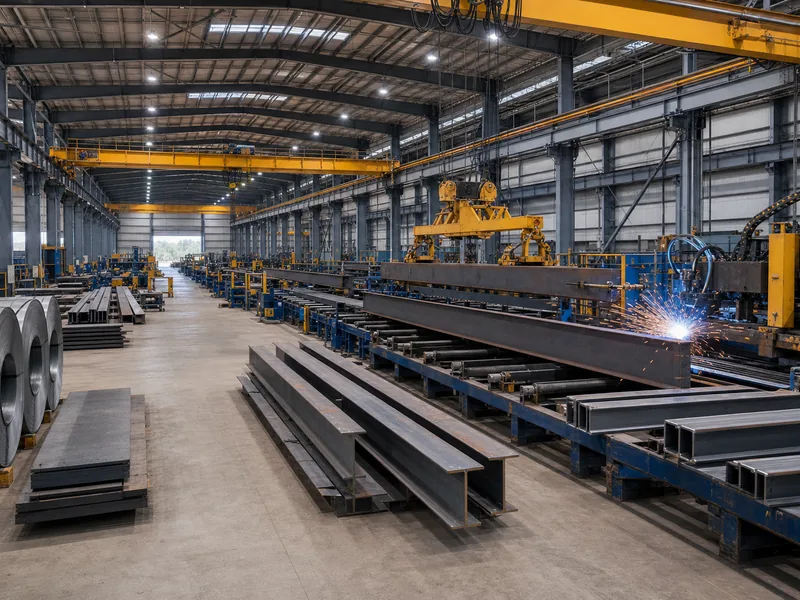
KAFA’s 20,000 m² Qingdao facility runs dedicated lines for H-beam structures, box sections, C and Z purlins, and profile steel plate, which is the kind of in-house setup that supports a wider range of project-specific fabrication, subject to engineering review and confirmed scope. When you talk to any supplier, settle one question early: do you fabricate this yourself, or are you reselling another plant’s frames? If a company says it fabricates in-house, ask for plant photos or a short video of the line, since a genuine fabricator can usually show its production while a reseller has less of it to point to. The answer changes who is accountable when a section arrives wrong.
Reading the Quote — Scope, Pricing, and Lead Time
Two quotes for the same building can differ widely because they cover different scopes, not because one supplier is genuinely cheaper. A “kit” price and a “turnkey” price answer different questions, and comparing them head to head is exactly how buyers get surprised. Before weighing any numbers, force every quote into the same scope so you are comparing like for like.
| Quote type | What it usually covers | Who handles erection | Best suited to |
|---|---|---|---|
| Kit / materials | Engineered frame, panels, fasteners, drawings | You or your contractor | Experienced builders, remote sites |
| Shell / dry-in | Kit plus an erected, weather-tight structure | Supplier or its crew | Buyers finishing the interior themselves |
| Turnkey | Design through installed building | Supplier or general contractor | Owners wanting one point of responsibility |
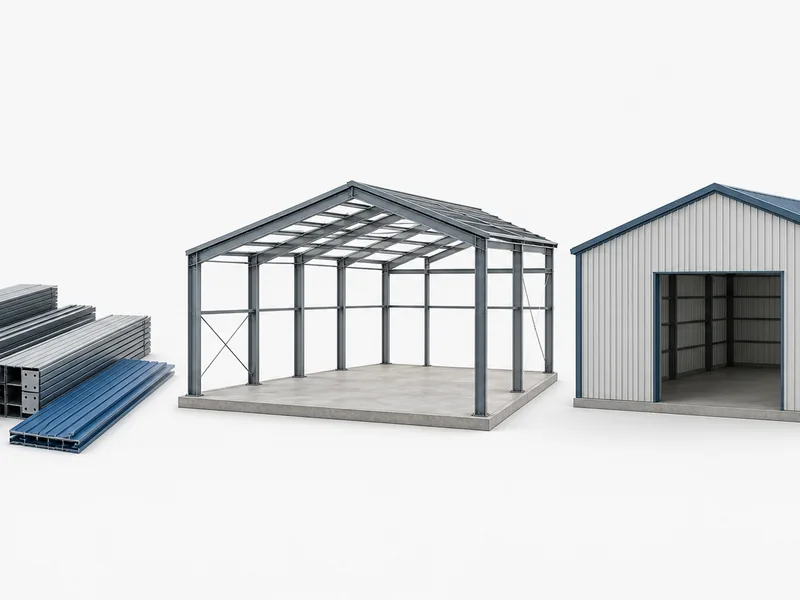
Turnkey scope varies by contract and may still exclude permits, foundations, utilities, interiors, or local approvals, so confirm what a “complete” building actually includes. The line that inflates a “cheap” kit later commonly includes freight, anchor bolts, and erection labor left out of the base number, so ask what a quote excludes, not just what it includes. Treat any published per-square-foot figure as a rough industry range that moves with size, region, and finish. For a worked example of how those variables shift a real number, a focused breakdown such as metal garage cost helps more than any single average. Warranties deserve the same scrutiny: confirm whether the frame, the panels, and the paint are each covered, for how long, and what voids them, since coverage and terms vary between companies. Finally, ask for lead time split into drawing approval, fabrication, and delivery, because schedules can slip during the approval cycle as much as on the shop floor.
A Pre-Quote Checklist for Vetting Any Metal Building Company
A short checklist turns everything above into questions you can ask on a single call, and the way a company answers tells you as much as the answers themselves. Ask for documents, not adjectives.
- Engineering to your code basis: PE-sealed drawings where required in the U.S., or locally accepted stamped structural drawings with a stated design-code basis elsewhere.
- Whether the company fabricates in-house or resells another plant’s frames.
- The quote scope in writing, kit, shell, or turnkey, with an exclusion list covering freight, anchor bolts, and erection.
- A warranty schedule that treats frame, panels, and paint separately, including the conditions that void each.
- Who is liable if the building fails inspection or arrives with parts short.
- A lead time broken into drawing approval, fabrication, and delivery.
- The quality system by name, such as ISO 9001, plus a recent project of similar type and size.
A supplier who answers these plainly and in writing is showing you how they will behave when something goes wrong, which is the part of the relationship no price quote reveals.
Making the Final Call
Choosing a metal building company depends on verifying capability in the right order, not collecting the most quotes. Settle your building type and use first, confirm the engineering is stamped to your local code, then check whether the company actually fabricates what it sells. Only after those three should price decide between two suppliers who both pass. When a project carries real structural or schedule risk, a manufacturer that designs, fabricates, and installs under one contracted scope can reduce the handoffs where accountability slips. The right choice still depends on the contract terms and the local approval path.
For reference, KAFA is a steel structure manufacturer with design, fabrication, and installation qualifications for light and heavy steel, a 20,000 m² Qingdao facility with dedicated steel processing lines, and ISO 9001:2015 quality management. With any supplier, get the engineering and the quote scope on paper, and confirm the contracted scope and local approval path in writing before you talk price. That protects the project better than any ranking list can.
Frequently Asked Questions
What should I look for in a metal building company?
Look for verifiable capability over reputation: engineering to your local code, in-house fabrication, a named quality system, and a quote with a clearly defined scope. A company that can show these in documents is lower risk than one that points only to its brand or its price.
Is it better to buy from a direct manufacturer or a broker?
Buying direct from the manufacturer can shorten the communication path and make traceability and accountability easier to follow, because the company engineering and fabricating the building is the one you deal with. Brokers can still help buyers who want coordination support. Either way, confirm in writing who designs and builds the steel and who is liable if something is wrong.
How do I verify a steel building manufacturer’s quality?
Verify quality through documents rather than adjectives. Ask for stamped drawings to your code basis, a named quality system such as ISO 9001, and a warranty that treats frame, panels, and coating separately, then ask to see a recent project of similar type and size.
What is the difference between a kit and a turnkey metal building quote?
A kit quote covers the engineered materials that you or your contractor erect, while a turnkey quote covers the building designed, delivered, and installed. Turnkey scope still varies by contract and may exclude permits, foundations, utilities, or interiors, so comparing a kit price against a turnkey price makes one look cheaper than it actually is.
Does a bigger company always mean a better metal building?
Company size signals capacity, not quality. A large manufacturer can be ideal for big industrial runs and the wrong fit for a one-off custom span, where a fabricator with the right engineering and in-house lines serves you better. Match the company to the project rather than to its size.