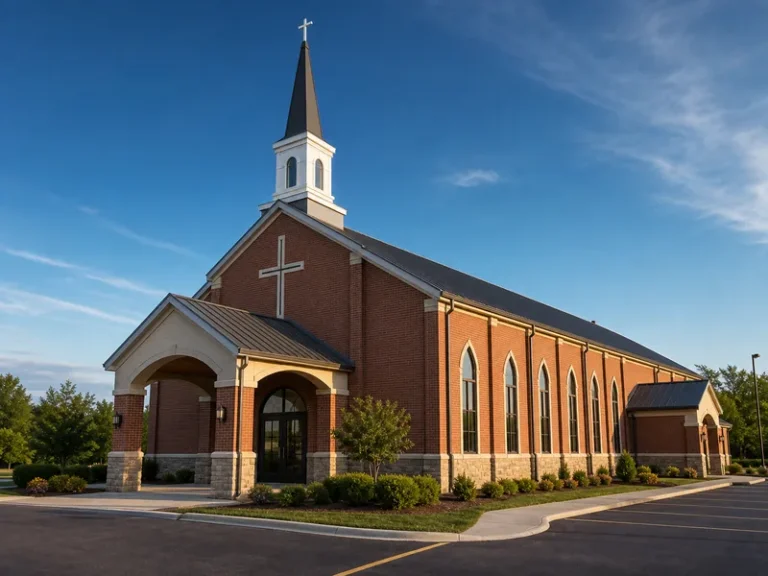





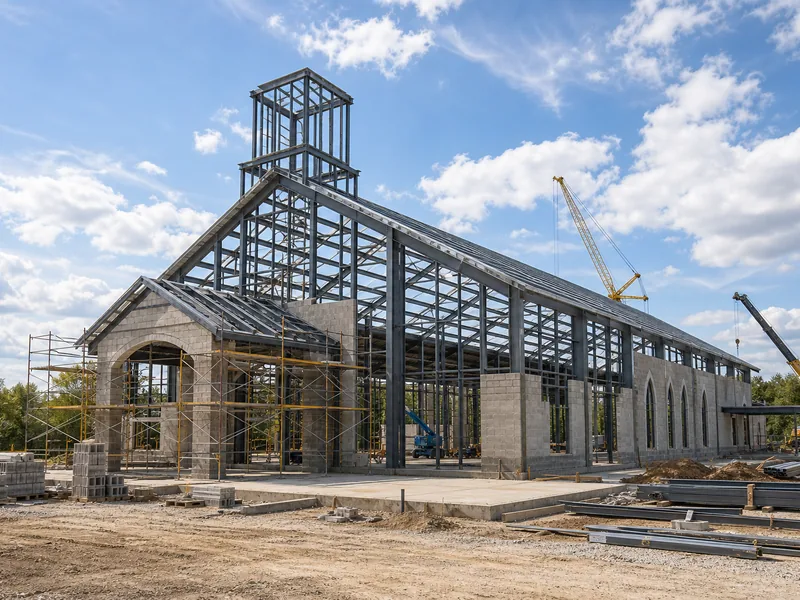
A new church usually takes about 12 to 18 months from first planning to opening day, though the honest range is wider than most building committees expect. Counting only from groundbreaking, a small, simple sanctuary can go up in roughly 6 to 12 months, while a large or architecturally complex church can run two to three years once pre-construction is included. That spread reflects specific phases and a handful of variables. This article walks through each phase, shows where the months actually go, and points out where a committee can win back time. It covers schedule rather than budget, since cost to build a church depends on a different set of variables.
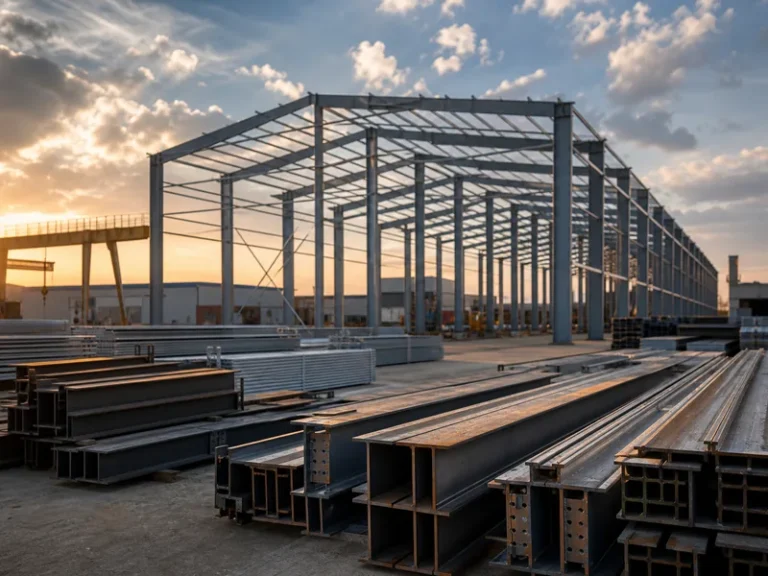
A steel schedule is most useful when the project team studies steel church buildings as a full shell system, not just a frame quote.
How Long a Church Build Really Takes, Phase by Phase
Church construction breaks into four phases that stack into the total: site acquisition, design, permitting, and construction. Each carries its own range, and the reason two churches of similar size finish months apart is usually that one phase ran long. The table below shows the ranges commonly cited across church builders, with the variable that moves each one.
| Phase | Typical range | What drives it |
|---|---|---|
| Site acquisition | Several months and up | property search, due diligence, financing readiness |
| Design (concept to full engineering) | A few months to a year | architectural complexity, decision speed, approvals |
| Permitting | One month to a year | jurisdiction, plan-review backlog, revisions |
| Construction | About 10 to 12 months for typical projects; longer for large or complex builds | size, structural system, weather, labor |
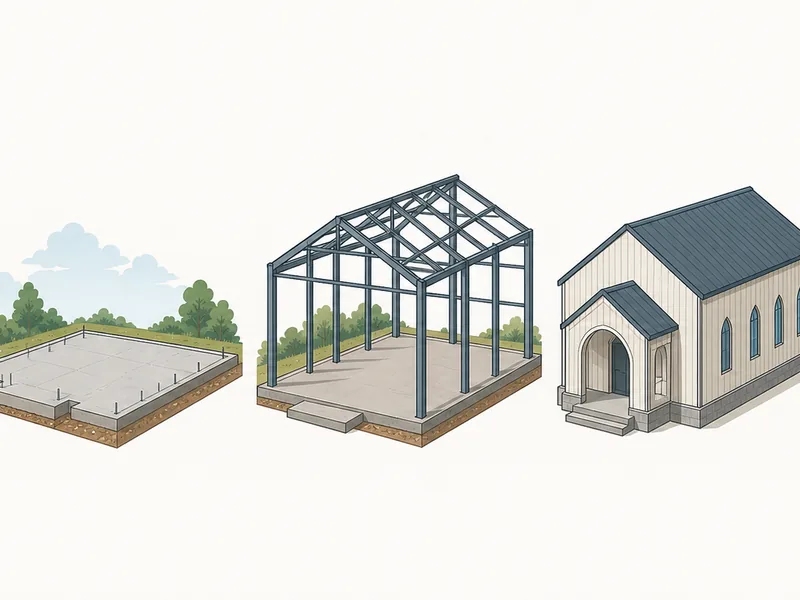
These phases overlap less than committees hope. Design cannot finish until the congregation settles the program, and permitting cannot start until drawings are complete, so delays early in the sequence push everything behind them. Construction itself follows a fairly predictable order once it begins: foundation and slab, structural frame, envelope, then interior fit-out and inspections. Inside that window, the structural frame is often the shortest stage. Interior fit-out, mechanical and electrical rough-in, and finishing usually take longer than congregations expect, especially in a sanctuary that needs audio, lighting, and HVAC sized for a large open volume. For the build-stage steps in detail, the process of how to build a church building is useful to review separately; here the point is simply that construction is one phase among four, not the whole clock.
Why Pre-Construction Often Takes Longer Than the Build Itself
Pre-construction, meaning everything before the first footing, frequently consumes 40 to 60 percent of a church project’s calendar. The slowest part is rarely the structure going up; it is the months of fundraising readiness, site due diligence, and plan review that happen before anyone breaks ground. Committees that benchmark only against construction duration almost always underestimate the total. Site due diligence alone can stretch for months once zoning, traffic studies, environmental review, or utility connections enter the picture, and a parcel that looks ready can still need a rezoning hearing before design even starts.
Funding readiness is the quiet driver here. A capital campaign that lands at the wrong point in the year, or that has to reach its target before drawings can be finalized, can hold a project for a full giving cycle. Design decisions compound the effect, because every change to seating count, ceiling height, or site layout sends the drawings back for revision and can reset the permit clock. Locking the program before drawings go out for review is a practical way to keep this phase from expanding, since changes are cheap on paper and costly once permitting is underway.
What Makes One Church Faster or Slower to Build
The same square footage can take very different amounts of time depending on variables a committee can partly control. Sorting them early tells you which parts of your own schedule are at risk.
- Size and complexity: A rectangular fellowship hall moves faster than a building with a balcony, bell tower, or curved sanctuary. More structural variety means more engineering and more trades to coordinate.
- Site conditions: Sloped, wooded, or poorly draining lots add grading, soil work, and sometimes redesign. A geotechnical report is useful to have before anyone assumes a flat-site schedule.
- Weather and season: Foundations and site work are weather-sensitive, so breaking ground ahead of a wet or freezing season can cost weeks. The slab pour belongs in a workable window.
- Skilled labor and materials: Trade availability and long-lead items such as steel, glazing, and mechanical equipment set the real pace of construction. Order long-lead packages as soon as the design is firm, not after permitting.
Each of these is a place to verify rather than assume. Material lead times are the variable committees overlook often, since a frame or a long-lead mechanical unit ordered late can idle a crew that is otherwise ready to work. A committee that pins down soil conditions, labor availability, and material lead times during design will hit far fewer surprises once the build starts.
Can Steel and Design-Build Compress the Schedule?
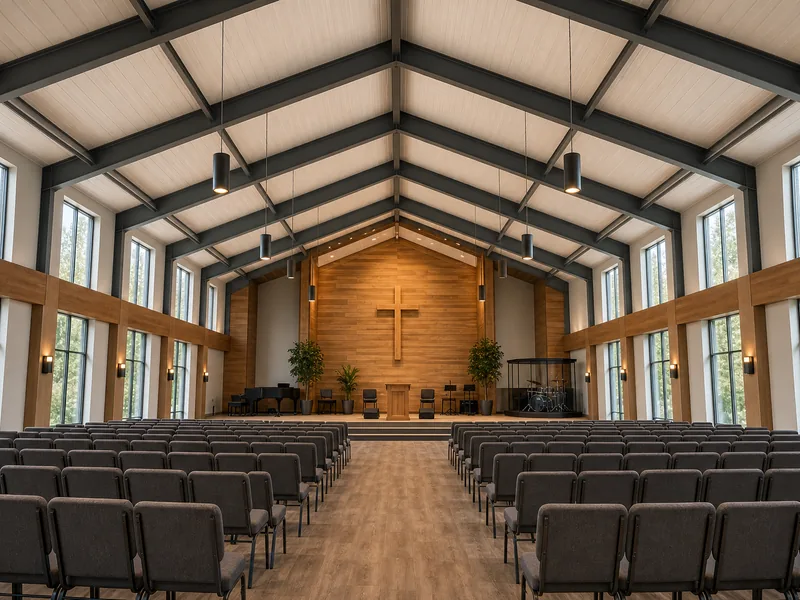
Two choices can materially influence a church timeline: the delivery method and the structural system. A design-build approach, where one team handles design and construction together, commonly trims the overall schedule by something in the range of 10 to 20 percent, mostly by overlapping design and procurement instead of running them end to end.
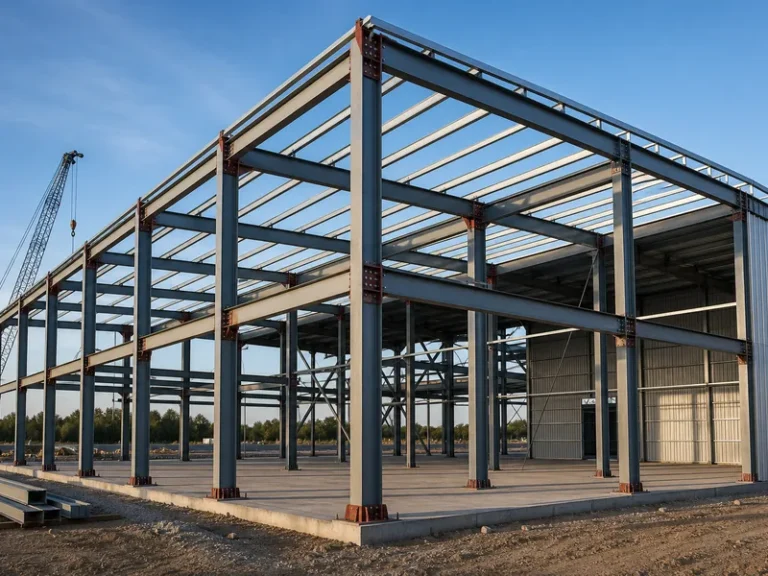
The structural system matters even more at the build stage. A steel or pre-engineered frame can be standing in a matter of weeks rather than months, because the columns, rafters, and purlins arrive cut, punched, and marked from the shop and bolt together on site. Industry comparisons often put prefab or modular steel erection at roughly 4 to 8 weeks, while conventional structural framing can be measured in months on a comparable church shell. Both figures describe the structural shell, not the finished building. The important boundary is what “fast” actually covers: those weeks describe structural erection, not the entire project. The slab still has to cure, permitting still has to clear, and interior fit-out, mechanical systems, and inspections still gate the opening date. A custom steel building shortens the structural phase, not the approvals around it.
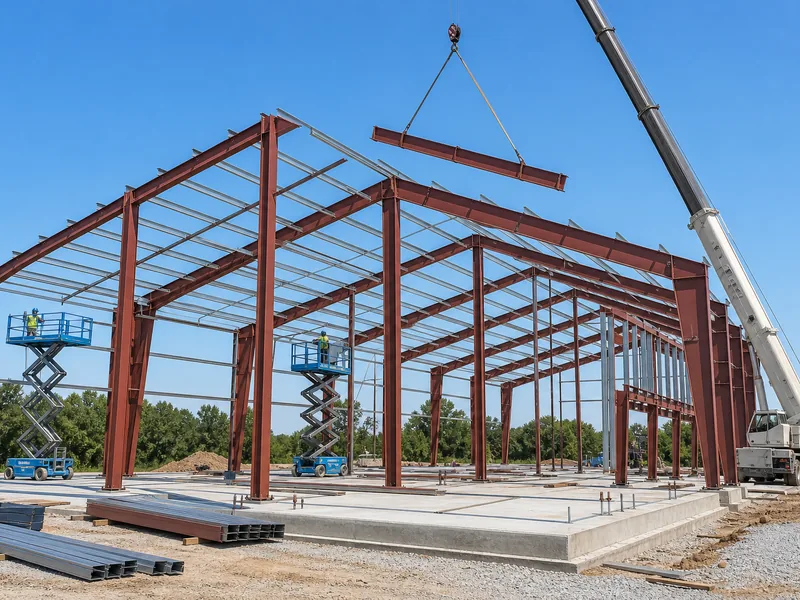
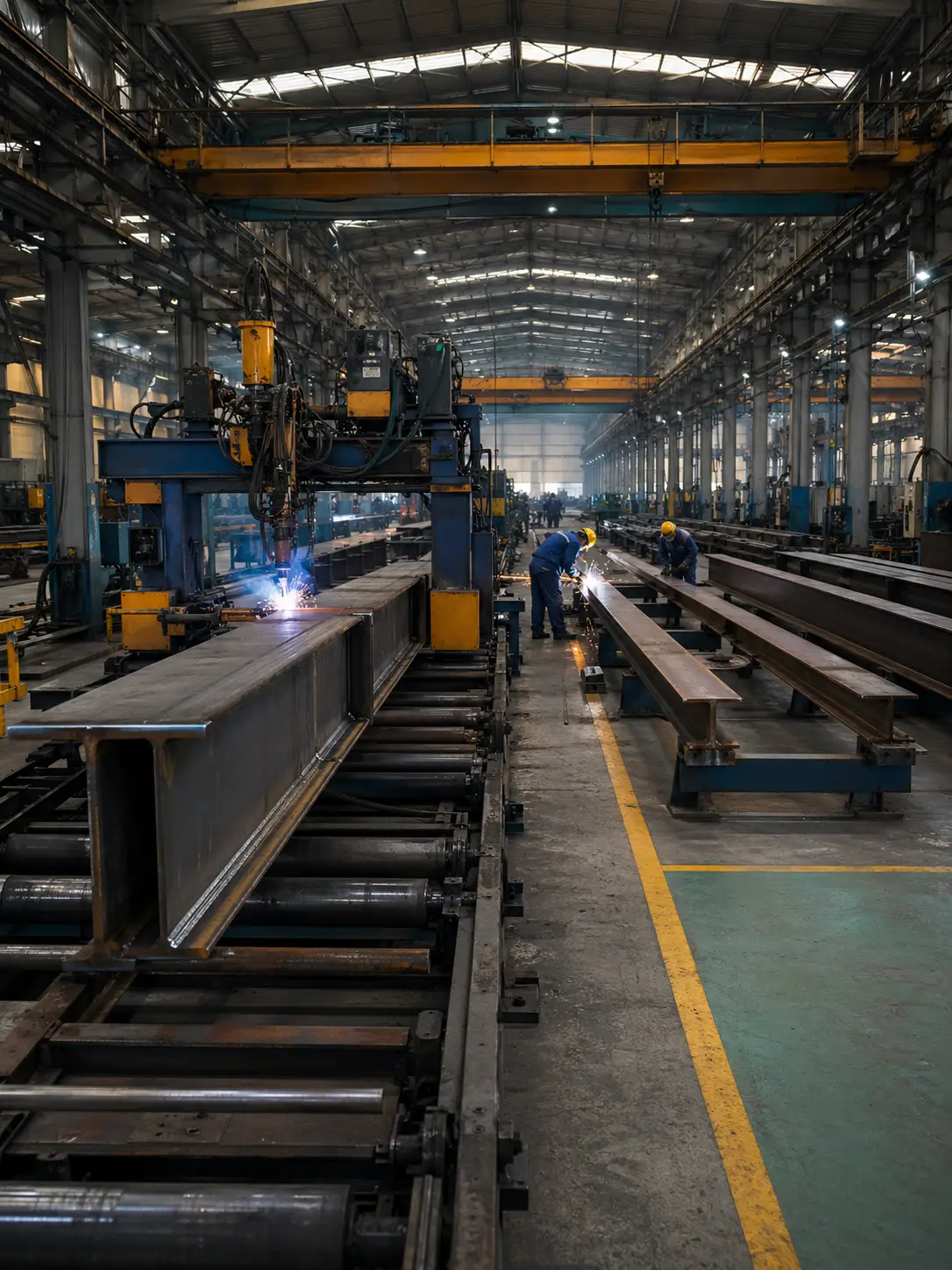
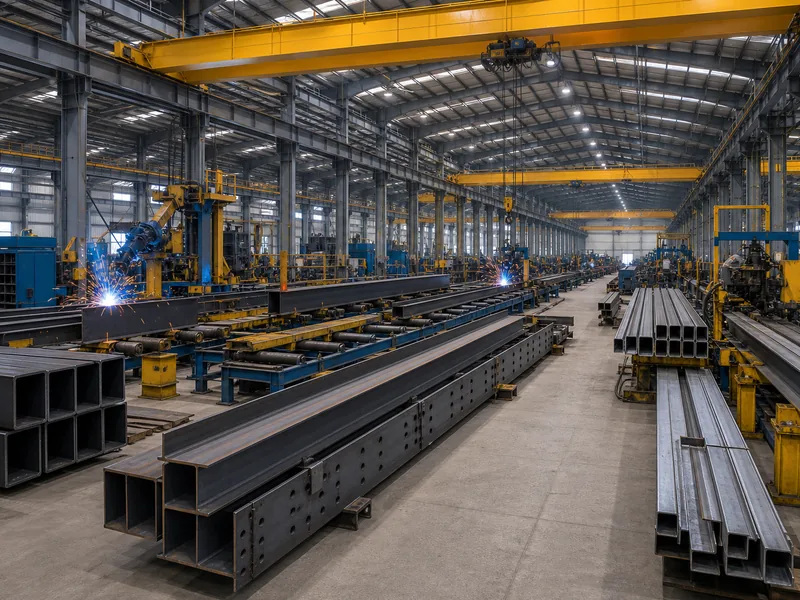
This is where shop fabrication shows its value. Qingdao KAFA Fabrication Co., Ltd. is a steel structure manufacturer with design, fabrication, and installation qualifications for light and heavy steel. Its frames are produced on dedicated H-beam, box-section, and C/Z-purlin lines at a 20,000-square-meter Qingdao facility under ISO 9001:2015 quality management. Members fabricated and marked in a controlled shop reach the site ready to assemble, which is what lets erection compress while quality stays consistent. The catch is coordination: the foundation and anchor bolts have to be set precisely to the shop drawings before the frame arrives, so the on-site time a steel package saves depends on getting that interface right early. The on-site labor side is its own variable; the labor for erecting a metal building depends on crew size, span, and site access, and is useful to scope before you assume a few-week frame schedule.
Where Church Timelines Slip, and How to Stay Ahead
Most church schedules slip for a short list of predictable reasons, and each has a prevention step a committee can take early. Watching these is more useful than padding the whole timeline with guesswork.
- Permitting surprises: Plan-review backlogs and revision rounds vary widely by jurisdiction. Confirm review times with the building department before committing to a groundbreaking date.
- Funding pace: Construction can stall waiting on pledged funds. Sequence the campaign so cash is available when each phase needs it.
- Change orders: Mid-project changes to layout or finishes reset schedules. Freeze the program before drawings go for permit.
- Material lead times: Long-lead items can outlast the phase that needs them. Release procurement as soon as the design is firm.
- Weather windows: Site and foundation work lost to weather rarely comes back cheaply. Plan the slab and early structure around the season.
Conclusion
For most congregations, a realistic church timeline is 12 to 18 months, but the figure that matters is not the average; it is which of your own variables is least certain. In practice three control the outcome: the permit path in your jurisdiction, funding readiness across the schedule, and the delivery and structural method you choose. Lock the building program first, confirm permit review times second, and only then decide whether a steel frame and a design-build team are worth the schedule they save. A steel structure can take the build phase from many months to a few weeks of erection, but it earns that time only when the approvals and funding behind it are already in order. KAFA’s design, fabrication, and installation qualifications support that fabrication-and-erection planning discussion once a design direction is set, so the structural phase becomes the predictable part of the plan rather than the unknown.
Church Construction Timeline FAQs
How long does it take to get permits for a church?
Permitting for a church can take anywhere from about one month to a year, driven mainly by the jurisdiction and the plan-review backlog. Dense metro areas and projects needing zoning variances sit at the long end, while straightforward sites in smaller jurisdictions often clear in a couple of months. Submitting a complete application and clarifying the review steps up front is the most direct way to avoid the longest delays.
How long does the church design phase take?
The design phase commonly runs from a few months to a year, depending on architectural complexity and how quickly the congregation makes decisions. Concept and schematic design move faster than full engineering and construction documents, and every program change sends drawings back for revision. Settling seating, layout, and site decisions early keeps this phase from stretching.
How long does it take to build a small church?
A small, simple church can be built in roughly 6 to 12 months from groundbreaking to occupancy when the design is straightforward and funding is ready. The figure assumes a manageable site and no major permitting hurdles, since those are what usually pull smaller projects past a year. Pre-construction time is separate and should be added on top.
Are steel or prefab churches really faster to build?
Steel and prefab churches are faster at the structural stage, where a shop-fabricated frame can be erected in roughly 4 to 8 weeks instead of the months conventional framing takes. That speed applies to erection, not the whole project: permitting, foundation curing, interior fit-out, and inspections still take their normal time. The net schedule gain is real but sits mostly in one phase.
Can you build a church in under a year?
Building a church in under a year is possible for smaller, simple sanctuaries with a ready site, secured funding, and a fast structural system such as a pre-engineered steel frame. It becomes unrealistic when permitting is slow, the design is complex, or funding arrives in stages. The deciding factor is usually pre-construction readiness rather than the speed of the build itself.