




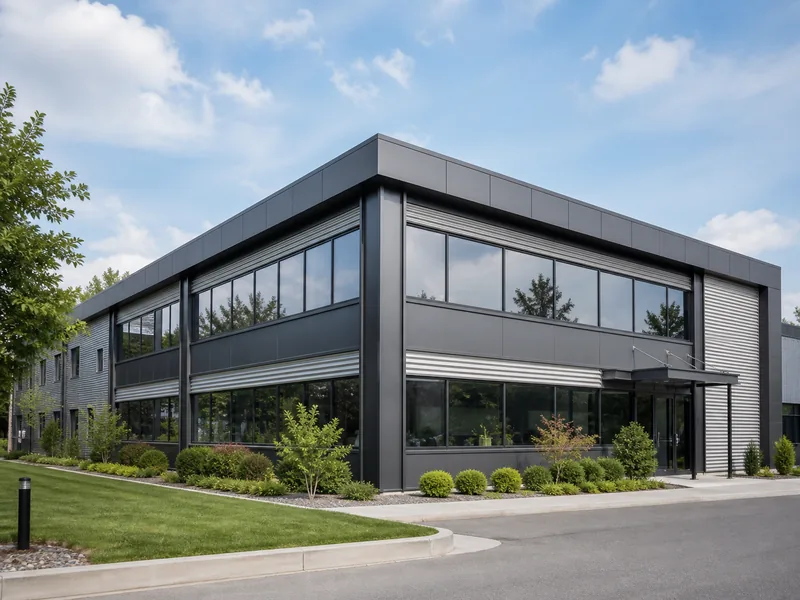
A well-built office building’s structural shell — its frame and foundation — can last 50 to 100 years or more with proper upkeep, yet the building’s useful life often ends decades sooner. That gap is the most important thing to understand about office building lifespan: the structure rarely fails outright, but its layout, systems, and energy performance fall behind what current office use demands. Engineers read at least three clocks here: the structural life of the shell, the functional life that tracks tenant needs, and the economic life over which it stays profitable. Knowing which clock you are reading keeps you from budgeting for a 39-year asset that may stand for a century, or from holding a structurally sound building that lost its tenants twenty years ago.
What “Office Building Lifespan” Actually Measures
Office building lifespan refers to at least three different clocks, and they rarely run out at the same time. The physical or structural life is how long the frame and foundation can safely carry load. The functional life is how long the floor plates, systems, and finishes keep meeting tenant demand. The economic life is how long the building earns more than it costs to operate — and there is also a separate accounting “tax life” used only for depreciation. Mixing these up produces a single number for something that actually has three answers.
| Lifespan measure | Typical horizon | What ends it | Why it matters to you |
|---|---|---|---|
| Physical (structural) | 50–100+ years | Structural failure or unsafe deterioration, rare with upkeep | Sets the ceiling on how long the asset can exist |
| Functional | ~30–50 years | Layout, systems, energy, or code falling behind demand | Usually decides when you renovate or reposition |
| Economic / tax | 39 years (U.S. straight-line) | An accounting schedule, not a physical limit | Governs depreciation and book value, not durability |
The horizons in the table are typical ranges, not guarantees. Condition, climate, and maintenance decide where a given building lands, so one office can sit at the top of one row and the bottom of another. A tower with a sound frame can still be functionally obsolete, and a fully depreciated building can keep earning for decades.
How Long the Structure and Shell Last
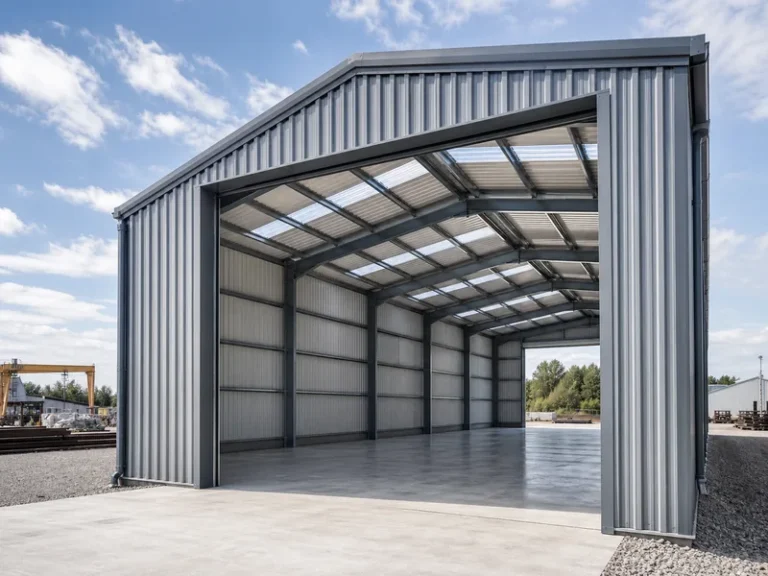
The structural frame and foundation are the longest-lived parts of an office building, and in a steel- or concrete-framed structure they routinely outlast every system attached to them. Rigid frames, columns, and purlins keep carrying load long after roofs, cladding, and interiors have been replaced, which is why the shell sets the ceiling on physical lifespan. A steel-framed Metal Office Building can hold its structural value for generations, provided the one real enemy of steel — corrosion — is kept in check at connections, fasteners, and base plates.
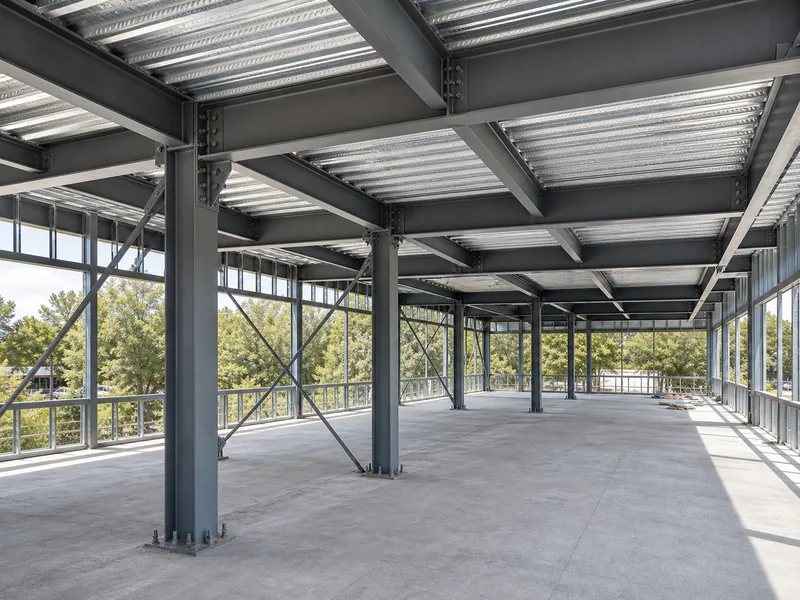
Corrosion control, not load, is what decides how far a steel structure travels along its range. Galvanized members and protective coatings slow the process, and standing seam metal roofs and coated cladding shield the frame from water, which accelerates almost every form of decay. This is the same reason well-built metal buildings last for decades when their coatings and connections are maintained, and why a neglected one can become unsafe far earlier than its design suggests. Manufacturers commonly back these systems with multi-decade coverage — on the order of 25-year perforation warranties on Galvalume panels and long-term paint warranties. Warranty length describes the product, though, not the maintained life of the whole building.
The envelope sits between the structure and the systems on the lifespan scale. Masonry and brick cladding can approach 70 years or more, often lasting close to the structural life. Sealed joints, glazing, and flashing need attention on a much shorter cycle to keep water away from the frame.
How Long Major Building Systems Last
Building systems age on much shorter clocks than the structure, which is why a 60-year-old office may have replaced its roof and mechanical plant two or three times. The figures below are planning ranges, not fixed expiry dates. The capital-heavy items — roofing, HVAC, and elevators — drive the largest renewal budgets, while interior fit-outs turn over fastest of all, often with each new tenant. Water is the variable that pulls every one of them toward the short end of its range. Planning a building’s lifespan therefore means planning these replacement cycles, not assuming the building is finished when one system fails.
| Building system | Typical service life | What drives replacement |
|---|---|---|
| Roof — membrane / built-up | 15–25 years | Weathering, ponding water, failed flashing |
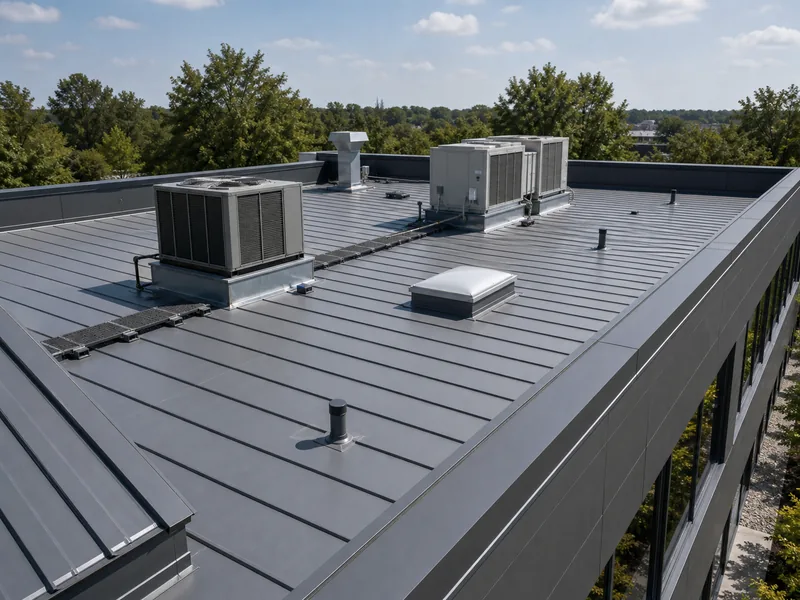
| Roof — standing seam metal | 30–40+ years | Coating wear, seam and fastener fatigue |
| HVAC equipment | 15–25 years | Efficiency loss, compressor and coil wear |
| Elevators (modernization) | 20–30 years | Control obsolescence, code updates |
| Plumbing & electrical distribution | 30–50 years | Corrosion, capacity or code limits |
| Masonry / brick cladding | 70+ years | Approaches the structural life |
These ranges assume routine maintenance; skip it, and the lower bound moves closer. A roof left with blocked drainage rarely reaches even its short-end figure, and the damage does not stop at the roof — it migrates into finishes, insulation, and eventually the structure. Owners who track these cycles in a capital reserve plan, setting aside funds against each system’s remaining life, avoid the forced choice between an emergency replacement and an early sale.
What Shortens — and Extends — an Office Building’s Life
Whether an office building reaches the top or the bottom of its lifespan range depends on design quality, materials, climate exposure, use intensity, and maintenance discipline. Of these, maintenance is the lever owners control most directly, and it usually decides the outcome. A building engineered for its real loads and exposure — correct bay spacing, drainage that sheds water, and site-specific corrosion allowances — starts with a higher ceiling. Sound steel building design earns that ceiling, paying back across the asset’s whole life rather than only at handover.
Climate sets the maintenance the building demands. On coastal and high-humidity sites, salt and moisture attack fasteners, connections, and base plates first, so inspection and recoating on a fixed schedule do more for lifespan than any single material choice. Disciplined steel building maintenance covers recoating exposed steel, clearing roof drainage, resealing the envelope, and renewing systems on their own cycles. Done consistently, it can be the difference between a frame that reaches 80 years and one that is unsafe decades sooner. Use intensity matters too: high tenant turnover wears interiors and mechanical systems faster, which shortens functional life even while the structure stays sound.
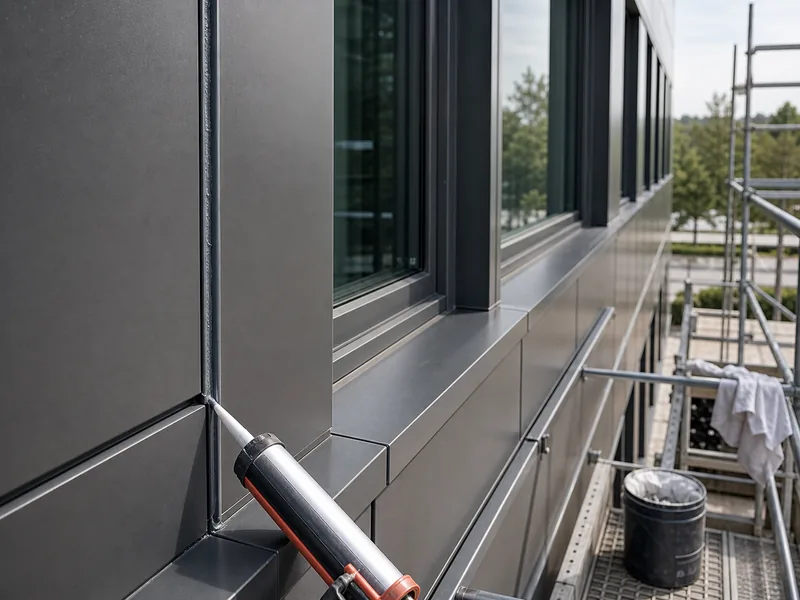
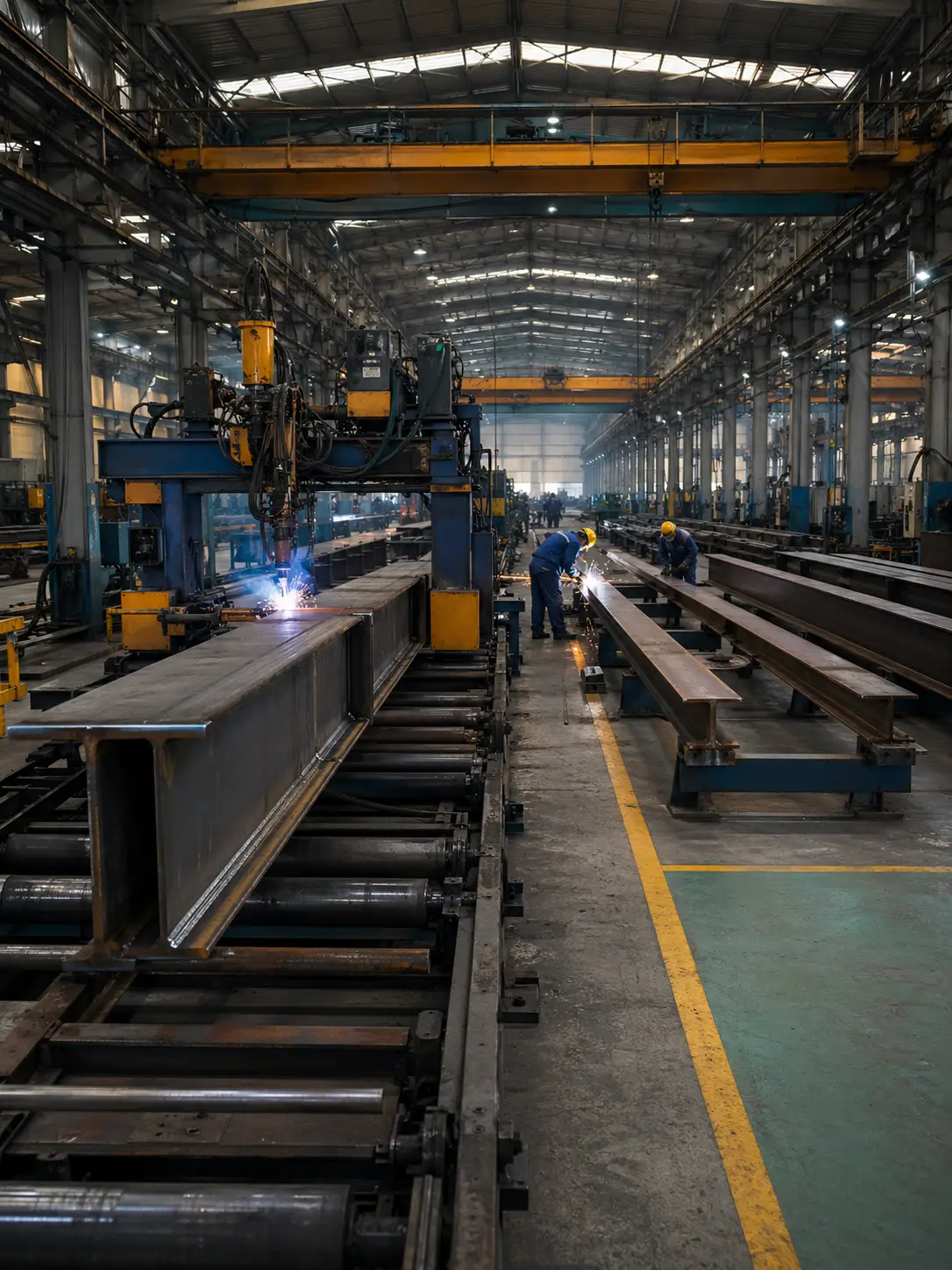
Fabrication quality sets the starting point that maintenance then protects. Frames cut, welded, and coated under shop conditions carry a more consistent corrosion baseline than field-built equivalents, giving the structure a higher and more predictable ceiling before any upkeep begins.
When Functional Obsolescence Ends the Life First
Functional obsolescence, not structural failure, ends the working life of most office buildings. The frame is sound, but deep floor plates, low ceiling heights, outdated mechanical and electrical systems, weak energy performance, or accessibility and code gaps stop the building from meeting current office requirements. At that point the question is no longer “is it standing?” but “does it still work as an office?” — and the answer can be no while the structure has decades left.
This is where economic life diverges sharply from physical life. U.S. tax rules depreciate a nonresidential building over 39 years on a straight-line basis, but that figure is an accounting convention, not a prediction. The structure can stand far longer, and the functional life can end sooner. Flexible, column-free floor space and efficient systems define what current codes and office standards expect, so an older layout can fall out of use well before the steel does.
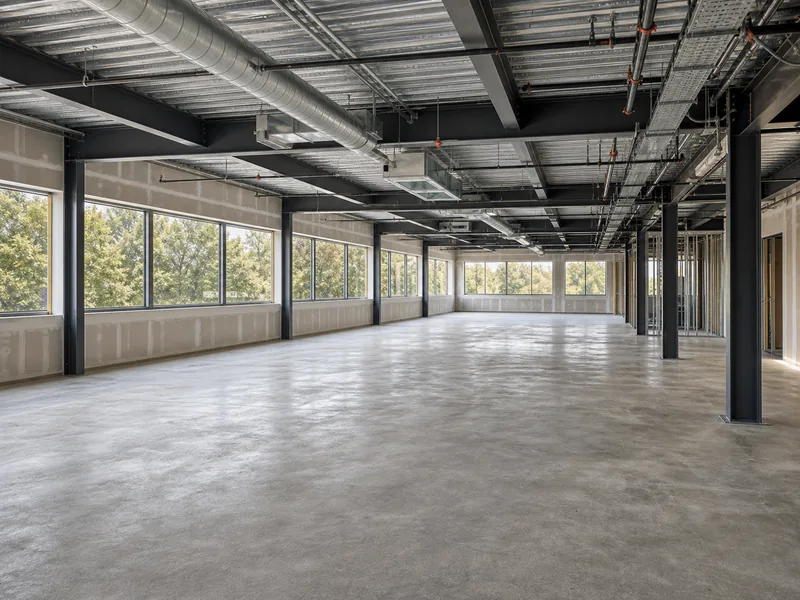
A deep renovation resets the functional clock without touching the structural one. Re-cladding, re-roofing, new mechanical systems, and reconfigured space — a metal building renovation in the broadest sense — can return an aging office to current standards while the original frame keeps carrying load. Adaptive reuse, where an obsolete office becomes residential, medical, or mixed-use space, extends the building’s life by decades and is often cheaper and faster than demolition and replacement.
Conclusion: Planning Around the Right Lifespan
Deciding which clock governs your decision matters more than the headline “how long does it last” number. If you are setting a hold period, the structural life is the ceiling — a well-built, well-maintained steel frame can stand for many decades, so it rarely limits you. If you are timing a renovation or repositioning, the functional life is the clock that counts, and it usually expires first through obsolescence. The 39-year tax schedule belongs only on the books and should not drive a physical or strategic decision.
For an owner weighing a steel-framed office, the structural ceiling is set early, in the fabrication and coating quality that KAFA controls at the shop. The functional clock stays in your hands — through a condition assessment, a corrosion-control routine, and a funded schedule for re-roofing and system renewals. Fund those cycles, and the building reaches the long end of every range it sits in.
FAQ
How long does a steel office building last?
A well-built steel-framed office building commonly stays structurally sound for 50 to 100 years or more when corrosion is controlled and coatings are maintained. Coastal and high-humidity sites pull that toward the lower end unless fasteners, connections, and base plates are inspected and recoated on a regular schedule.
What is the average design life of a commercial office building?
Commercial office buildings are typically designed for a service life of about 50 to 60 years, even though many stay in use far longer after renovation. Design life is a target the structure is engineered to meet, not a guarantee — the actual figure swings with maintenance quality and market demand.
Does an office building’s depreciation period match its real lifespan?
No — U.S. tax rules depreciate a nonresidential building over 39 years, which is an accounting schedule rather than a measure of physical or economic life. A fully depreciated building can keep earning income for decades, and a structurally sound one can still be obsolete before that schedule ends.
What shortens an office building’s life the fastest?
Deferred maintenance and uncontrolled water or corrosion shorten an office building’s life faster than ordinary structural aging. Roof leaks and blocked drainage damage finishes, systems, and eventually the frame, turning a repair budget into a replacement one.
Can an aging office building be renovated instead of demolished?
Yes — office buildings usually reach the end of their functional life through obsolescence rather than structural failure, so a deep renovation or adaptive reuse often adds decades of service. Re-cladding, re-roofing, new mechanical systems, and reconfigured floor plates can reset the functional clock while the original frame carries on.
Further Reading
- IRS Publication 946, How To Depreciate Property — U.S. Internal Revenue Service. Defines the 39-year straight-line recovery period for nonresidential real property, the tax life this article separates from physical and economic life.
- Metal Building Manufacturers Association (MBMA) — industry association for metal building systems. Background on the durability, performance, and service-life characteristics of steel-framed low-rise buildings.
- Estimated Useful Life of Commercial Building Systems — Certified Commercial Property Inspectors Association. Component-level useful-life estimates for roofing, HVAC, and cladding behind the systems table above.