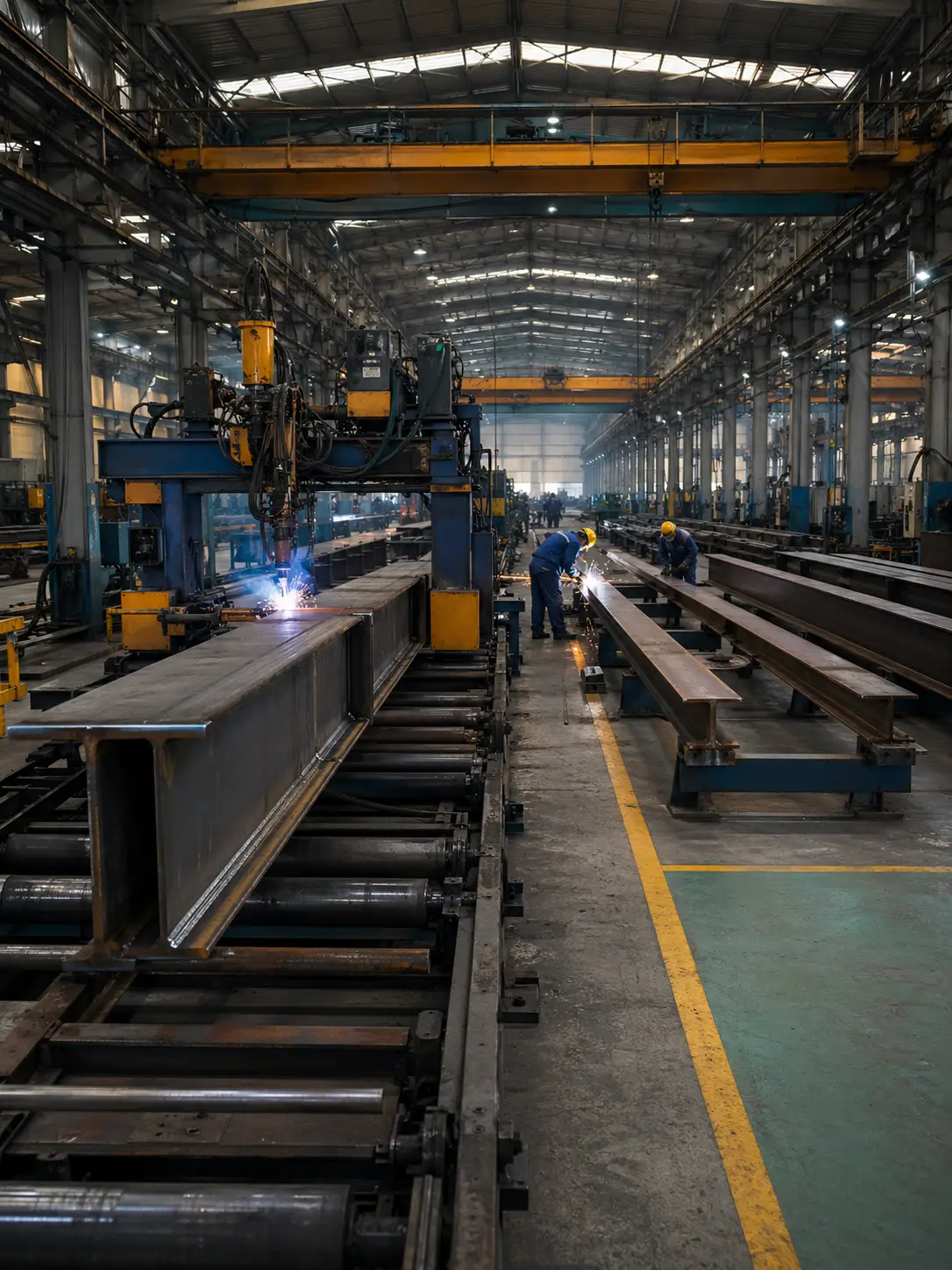





Site Preparation for Construction — Metal Building Site Prep Sequence & Pre-Steel Checklist
Projects in Africa and Southeast Asia most often lose schedule before steel erection begins — when site conditions not confirmed early enough force foundation redesign, re-pours, or mobilisation delays. This site prep guide covers what preparing a site for construction actually requires, the sequence that governs each phase, and how KAFA’s engineering outputs feed into the broader metal building construction programme.
Scope Division
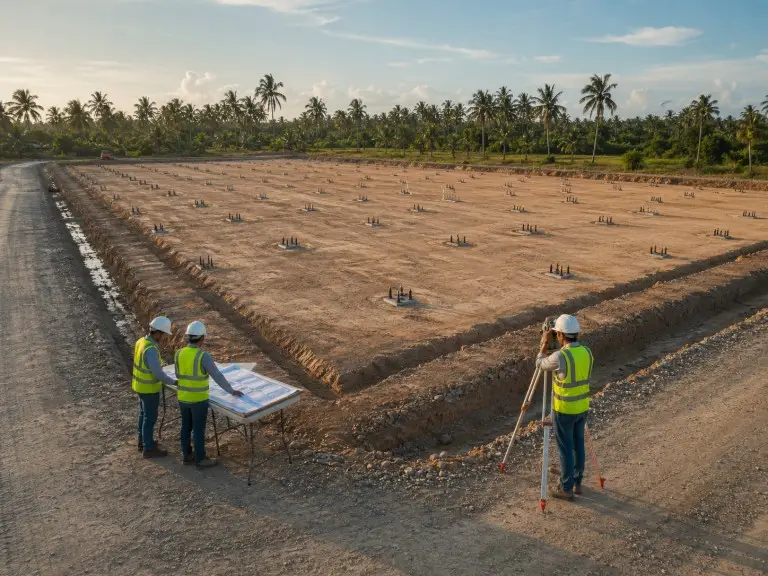
Site Preparation Scope — What KAFA Provides and What Your Site Contractor Executes
KAFA does not perform site preparation. We provide the technical parameters your site contractor and structural engineer need before foundation design can be finalised — anchor bolt plan, column grid dimensions, and column base reaction loads. Site preparation must be fully complete and all KAFA-supplied parameters incorporated into foundation drawings before steel fabrication and delivery are scheduled.
01 · Issued in 3 Days
KAFA preliminary design — anchor bolt plan and column base loads — issued within 3 business days of confirmed building use, footprint, and location.
02 · Client Executes
Site preparation is the client’s responsibility, carried out by a local civil contractor — KAFA provides technical parameters only.
03 · Sequence Critical
In projects where clients begin earthwork before the anchor bolt plan has been issued, setting-out errors at the foundation stage are consistently observed.
04 · Confirmed Pre-Earthwork
We confirm that preliminary drawings are in the site contractor’s hands before grading begins — not after.
Preparation Scope
What Site Preparation for Metal Building Construction Actually Includes
Metal building site prep extends well beyond the building footprint and includes more work scope than most buyers anticipate at the point of project approval. Each element of preparing a site for construction must be complete in the correct sequence.
Topographic survey (existing elevations and natural drainage contours), soil investigation (bearing capacity at foundation depth, identification of expansive clay or loose fill, groundwater conditions), utility survey (underground pipelines, cables, drainage infrastructure), and environmental compliance assessment. Must be completed before foundation design begins — not concurrently.
Removes vegetation, existing structures, underground obstructions, and organic topsoil from the building footprint and working area. The site is then cut and filled to design elevation, with compaction controlled to the required bearing layer. Grading must establish drainage slopes that govern stormwater runoff direction — this is not a finishing-phase decision.
Surface grading slopes, perimeter collection ditches, and storm drain networks — sized against local rainfall intensity data, not generic international defaults. In tropical markets, 24-hour rainfall events can exceed 100–150 mm. Upslope cut-off drains are required on any site where natural terrain drains toward the structure. This is part of site preparation, not a follow-on activity.
Load-rated routes for container flatbeds and mobile cranes during steel delivery and erection. The crane’s working radius and travel path must be confirmed against the column grid during site planning and hardened before steel arrives. Crane corridor width, bearing capacity, and turning radius are project-specific — confirmed from KAFA’s erection plan and crane specification for the primary frame lift sequence.
Preparation Sequence
Site Preparation Sequence — The Correct 8 Steps for Preparing a Site for Construction
The most damaging sequence error is beginning foundation construction before both the geotechnical report and KAFA’s structural loading parameters are available. This applies to all building types — from steel structure warehouses and steel industrial buildings to agricultural steel buildings in rural locations with no existing infrastructure.
Site & Engineering Inputs Gathered in Parallel
Geotechnical Investigation & Soil Report
Commission before any earthwork. SPT or CPT to depth. Cannot be substituted with assumption-based footing sizing.
KAFA Preliminary Design & Anchor Bolt Plan
Issued within 3 business days of confirmed building use, footprint, and location. Required before setting-out begins.
Run parallel with Step 1 — not afterSite Earthwork, Foundation Design & Setting-Out
Site Clearing & Grading to Design Elevation
Proceed once footprint dimensions are confirmed. Drainage slopes established now — not as a finishing activity.
Foundation Design
Requires soil bearing capacity (Step 1) AND KAFA column base loads (Step 2). Neither alone is sufficient.
Both inputs required simultaneouslyDrainage System Construction
Perimeter ditches, storm drains, and pumped outlet if needed. Sized against local meteorological data for the project location.
Survey Control & Building Axis Setting-Out
Column centrelines and anchor bolt positions set using KAFA’s anchor bolt plan. Cannot begin until grading is complete and plan is issued.
Must use KAFA anchor bolt planFoundation Construction & KAFA Steel Arrival
Foundation Construction & Anchor Bolt Installation
Bolt-setting template used during pour. Positions surveyed before full cure. Verification confirmed to KAFA before container departure.
Steel Delivery & Erection Begins
Container arrives on-site. Foundation verified and cured. Crane corridor clear. If Steps 1–7 complete, erection begins immediately on delivery.
Tropical Drainage Design
Site Drainage for High-Rainfall Climates — Africa and Southeast Asia
Drainage design calibrated to temperate-climate rainfall patterns will not perform adequately during peak wet-season events in West Africa, the Philippines, or Vietnam. Drainage capacity must be sized against local meteorological data for the specific project location.
Minimum drainage slope from building footprint to collection points. Flatter slopes allow water to pond across the graded surface, disrupting concrete curing schedules and softening sub-base material beneath crane travel corridors.
Local Meteorological Authority Data
Perimeter ditches and storm drains must be sized against the applicable national or regional design storm event — typically the 10-year or 25-year, 24-hour rainfall event for the project country and city. Generic international defaults are not sufficient for tropical sites.
Gravity vs pumped outlet: Whether gravity drainage is sufficient depends on the site’s lowest discharge point relative to finished floor elevation. This must be confirmed during site survey — not assumed based on the general site description.
KAFA Technical Outputs
Three Technical Parameters KAFA Provides for Your Site Preparation Scope
These outputs are direct inputs to your site preparation and foundation scope and cannot be substituted with generic span tables or standard load estimates. All three are issued within 3 business days of confirmed project parameters.
Anchor Bolt Plan
Position and installation pattern of every column base anchor bolt to the tolerance required for column installation. The controlling input for both foundation design and setting-out. Any change to column position, span, or eave height after issue requires a revised drawing before foundation work proceeds.
Column Grid & Footprint Dimensions
Defines the minimum cleared area, required crane working corridor width and length, and building setback distances from property boundaries. Site clearing and access road planning must reference these dimensions — not preliminary estimates from early scoping discussions.
Column Base Reaction Loads
Vertical load, horizontal shear, and overturning moment at each column base — for use by the local structural engineer responsible for footing design. These values are specific to KAFA’s designed frame geometry for the project and cannot be generalised across other building sizes or configurations.
Pre-Start Checklist
What to Confirm Before Site Preparation Work Begins
Site preparation should not start until the following conditions are confirmed. Proceeding without them generates rework costs disproportionate to the time saved.
Geotechnical investigation commissioned or scheduled with a defined completion date
Cannot be deferred to after earthwork begins. Soil bearing capacity and profile must be available before foundation design commences.
KAFA preliminary design requested — or anchor bolt plan and column loads already received
KAFA preliminary design is issued within 3 business days. Request it at the earliest opportunity so it is in the foundation engineer’s hands before grading begins.
Building permits for the proposed use and footprint applied for
Permit timelines vary significantly across African and Southeast Asian jurisdictions. Assessment should happen early — not after earthwork is complete.
Underground utility survey completed for the building footprint and all access routes
Undetected underground services struck during grading cause programme delays and remediation costs that are avoidable with a pre-earthwork survey.
Crane access route and working radius confirmed against the building column grid
The mobile crane for primary frame erection requires a confirmed travel corridor of sufficient width and bearing capacity. This must be planned before grading establishes the final site layout — not resolved on erection day.
Do Not Start Site Preparation If
Known soil contamination or hazardous waste requires remediation under local environmental law
Land title or building permit status is unresolved
The project owner has decided to waive geotechnical investigation
Building Applications
Site Prep Requirements Across Every KAFA Building Type
Site preparation scope and sequence apply to all pre-engineered building types — but specific requirements vary. Aviation hangars require wider crane corridors for long-span frame erection. Cold storage buildings require thermal isolation breaks at the floor slab perimeter. Industrial buildings with overhead cranes require heavier foundation loads. KAFA’s technical outputs for each project reflect the specific building type.
01 · Application
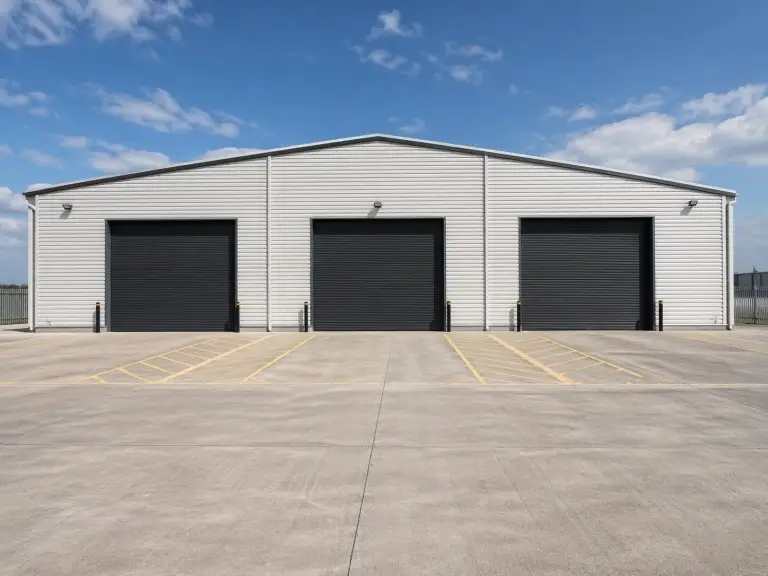
Steel Warehouse Buildings
ISO 9001:2015 Certified · IAS AC472 Accredited · 24+ Years Delivery Prefabricated Steel Warehouse Buildings for Industrial, Logistics & Commercial Projects KAFA designs, fabricates,…
Common Applications
- Logistics & 3PL distribution centres
- Manufacturing & industrial processing
- Agricultural commodity bulk storage
02 · Application
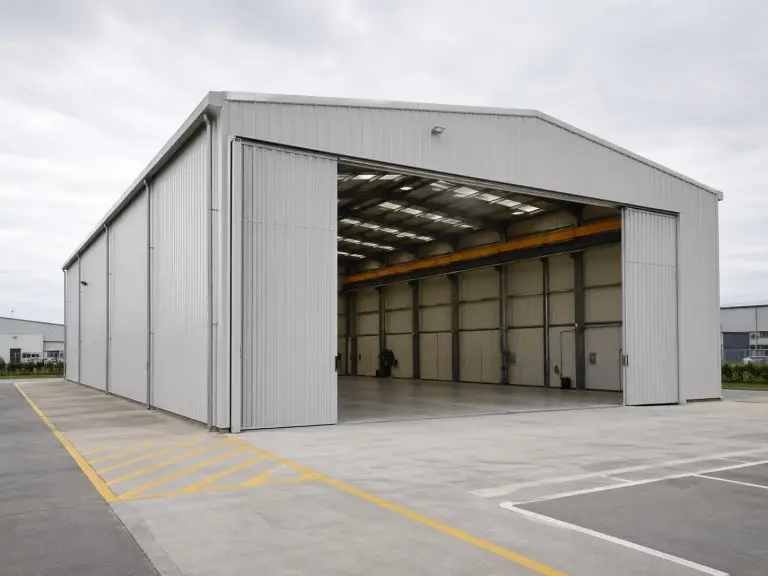
Steel Structure Workshop
ISO 9001:2015 Certified · IAS AC472 Accredited · 24+ Years Delivery Pre-Engineered Metal Workshop Buildings & Prefab Steel Workshop Structures KAFA designs, fabricates, and…
Common Applications
- Automotive fabrication & assembly shops
- Heavy manufacturing & metal processing
- Industrial park multi-tenant units

03 · Application
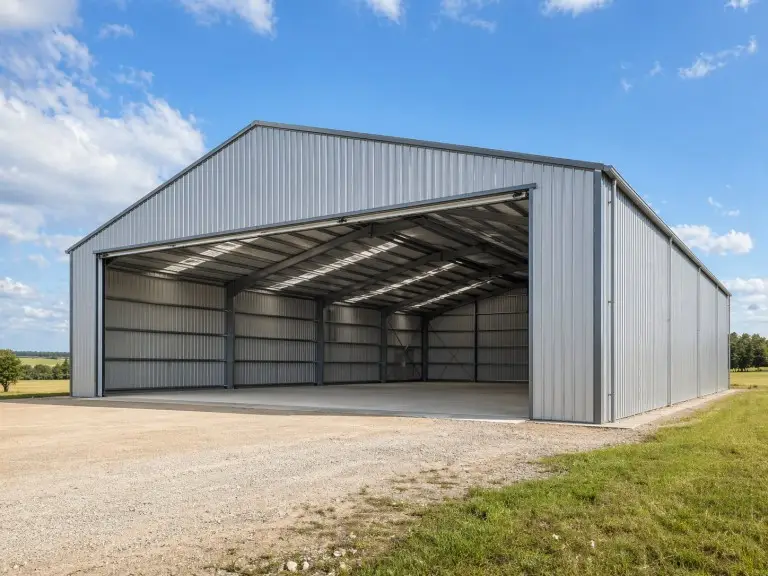
Metal Airplane Hangars
ISO 9001:2015 Certified · IAS AC472 Accredited · 24+ Years Delivery Pre-Engineered Metal Airplane Hangars & Aircraft Hangar Buildings KAFA designs, fabricates, and delivers…
Common Applications
- Aircraft MRO & maintenance facilities
- General aviation storage hangars
- Airport maintenance & operations bases
04 · Application
Agricultural Steel Buildings
ISO 9001:2015 Certified · IAS AC472 Accredited · 24+ Years Delivery Pre-Engineered Agricultural Steel Buildings for Commercial Livestock, Grain Storage & Farm Operations KAFA…
Common Applications
- Grain & bulk commodity storage
- Livestock & poultry housing
- Produce export & pack-house facilities
05 · Application
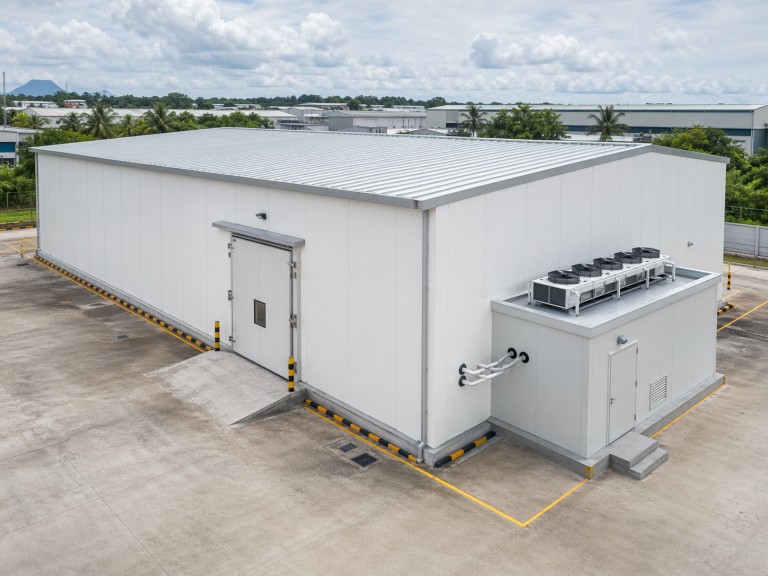
Steel Cold Storage Buildings
ISO 9001:2015 Certified · IAS AC472 Accredited · 24+ Years Delivery Pre-Engineered Steel Cold Storage Buildings & Industrial Cold Storage Warehouses KAFA designs and…
Common Applications
- Food processing chill & freezer stores
- Pharmaceutical cold chain facilities
- Blast freezer & frozen food storage
06 · Application
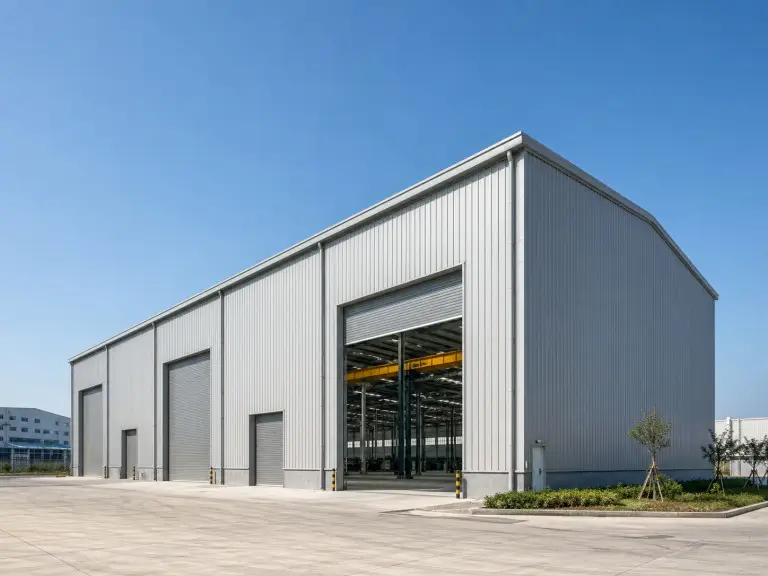
Steel Industrial Buildings
ISO 9001:2015 Certified · IAS AC472 Accredited · 24+ Years Delivery Pre-Engineered Steel Industrial Buildings & Prefab Industrial Metal Structures KAFA designs, fabricates, and…
Common Applications
- Manufacturing complexes & processing plants
- Heavy industry & fabrication operations
- Chemical & industrial processing facilities
07 · Application
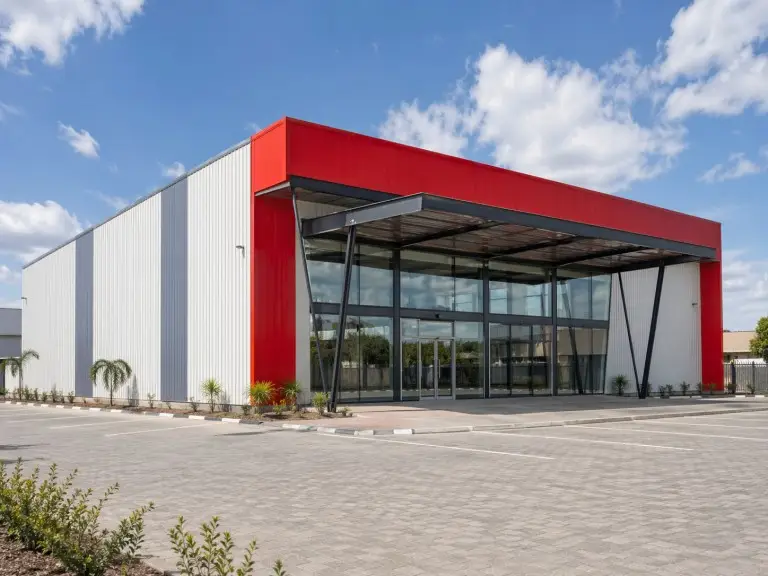
Commercial Metal Buildings
ISO 9001:2015 Certified · IAS AC472 Accredited · 24+ Years Delivery Pre-Engineered Commercial Metal Buildings for Retail, Office & Mixed-Use Development KAFA engineers, fabricates,…
Common Applications
- Retail & e-commerce distribution centres
- Industrial park development projects
- Mixed-use commercial warehouse facilities
08 · Application
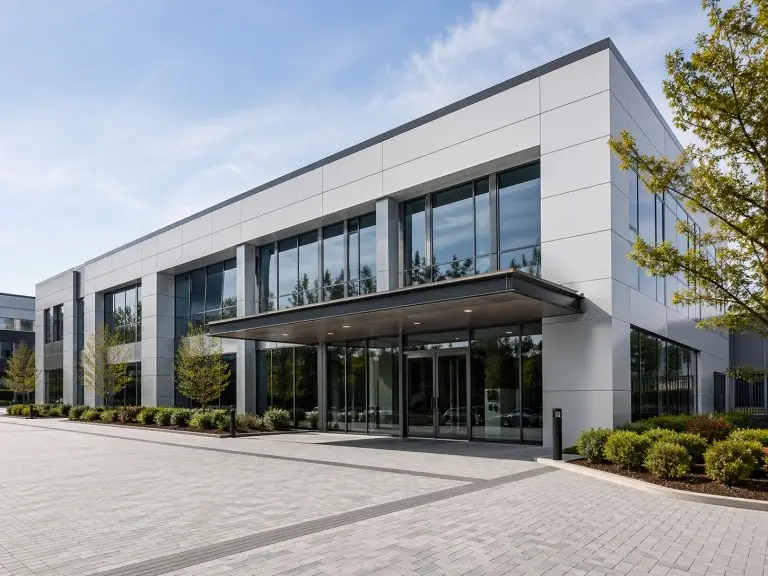
Metal Office Buildings
ISO 9001:2015 Certified · IAS AC472 Accredited · 24+ Years Delivery Pre-Engineered Metal Office Buildings for Corporate, Industrial & Government Projects KAFA engineers, fabricates,…
Common Applications
- Corporate headquarters & admin buildings
- Industrial park office complexes
- Government & institutional facilities
09 · Application
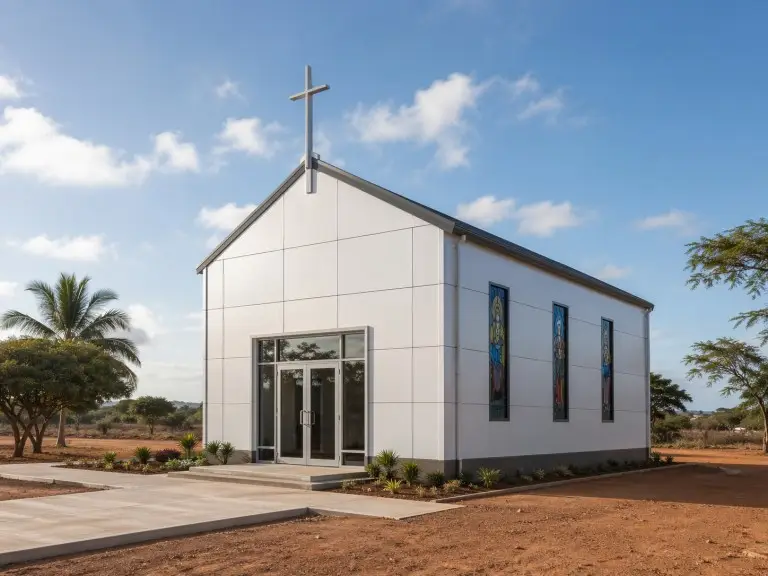
Steel Church Buildings
ISO 9001:2015 Certified · IAS AC472 Accredited · 24+ Years Delivery Pre-Engineered Steel Church Buildings & Prefab Worship Structures KAFA engineers, fabricates, and ships…
Common Applications
- Worship centres & assembly halls
- Multi-purpose community facilities
- Educational & institutional buildings
Frequently Asked Questions
Site Preparation Questions, Answered Directly
Site preparation is the client’s responsibility and is typically carried out by a local civil contractor. KAFA provides the technical parameters — anchor bolt plan, column base reaction loads, and building footprint dimensions — that the site contractor and foundation engineer need to complete their work to the correct specifications. This division applies to all KAFA projects regardless of market or project scale.
Duration depends on site area, existing site conditions (vegetation density, existing structures, soil type and water table), drainage infrastructure requirements, and local permit timelines. For a standard industrial building footprint of 1,000–5,000 m² on a previously cleared site with available geotechnical data, four to eight weeks is a common planning range. Sites requiring significant earthworks, drainage infrastructure, or removal of existing structures will require more time — this should be confirmed through a site assessment before the project schedule is fixed.
Grading to design elevation can proceed without the anchor bolt plan, provided building footprint dimensions and column grid are confirmed. However, setting-out cannot begin until the anchor bolt plan is issued, and foundation design cannot begin until KAFA’s column base reaction loads are provided. Starting foundation construction before receiving both documents carries the risk of anchor bolt positioning errors that cannot be corrected without partial slab demolition — a delay and cost that is entirely avoidable when KAFA’s anchor bolt plan is received before setting-out begins.
Drainage capacity is sized against local meteorological data for the specific project location — specifically the design storm event recognised by the national or regional authority, commonly the 10-year or 25-year, 24-hour rainfall event. Generic drainage guidelines calibrated to temperate-climate rainfall patterns are not sufficient for sites in West Africa, Vietnam, the Philippines, or Indonesia. Drainage design should be prepared by a local civil engineer with access to the applicable hydrological records for the project location. Peak 24-hour rainfall in West Africa and Southeast Asia regularly exceeds 100–150 mm and up to 250 mm in typhoon belt regions.
Soil type affects foundation design but not KAFA’s structural parameters. KAFA provides column base loads based on the building geometry and applied loads. The local structural engineer then uses these loads alongside the geotechnical report to design footings appropriate for actual soil conditions. Sites with expansive clay, soft ground, or high water tables will require more substantial foundation solutions, but KAFA’s steel frame parameters remain the same.
As early as possible. KAFA’s preliminary design — including anchor bolt plan and column base loads — can be issued within 3 business days of confirming building use, footprint dimensions, and project location. Receiving these outputs early allows geotechnical investigation and foundation design to proceed without waiting for fabrication to complete. Projects where clients request parameters late in their site preparation timeline consistently face delayed steel delivery because foundation construction has not reached the anchor bolt installation stage when fabrication is ready to ship.
Site prep covers eight sequential activities: geotechnical investigation, clearing and grading, drainage design and construction, access road and crane corridor, foundation construction using KAFA anchor bolt plan and column loads, floor slab, utility rough-ins, and pre-erection inspection. KAFA structural parameters are issued within 3 business days so preparing a site for construction can run in parallel with fabrication.
Start Site Preparation Planning
Preliminary Design & Anchor Bolt Plan in 3 Business Days
Share your building use, approximate footprint dimensions, project location, current site condition, whether geotechnical investigation has been commissioned, and your target occupancy date. Our engineering team issues a preliminary design and anchor bolt plan within 3 business days so your civil contractor and foundation engineer can proceed without delay.
Foundation Technical Detail?
Anchor Bolt Specifications & Foundation Types
For detailed technical requirements on anchor bolt tolerances, foundation types applicable to different soil conditions, and tropical concrete curing guidance, see our Metal Building Foundation page.