




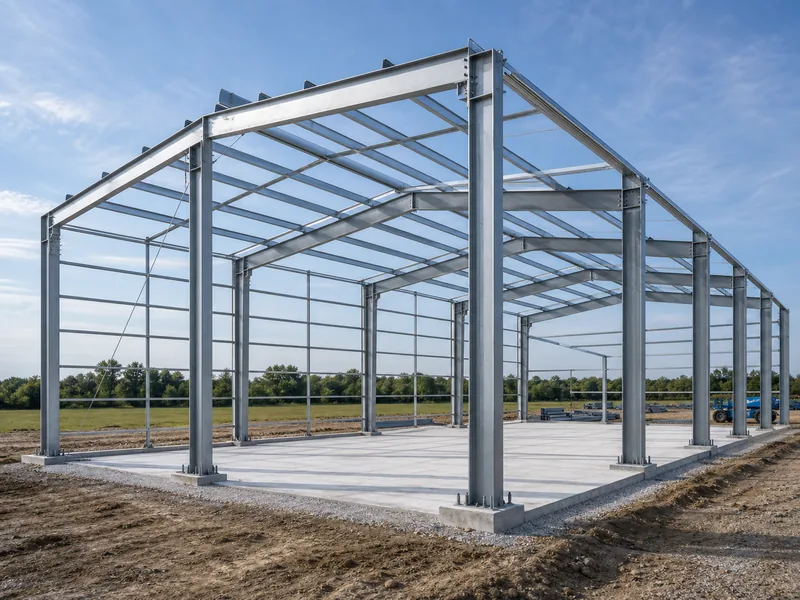
Building a steel building generally follows a staged sequence, and each stage depends on the one before it being done correctly. A pre-engineered or structural steel project moves from planning and engineering, through site and foundation work, into frame erection, and finally to enclosure and inspection. This guide walks through that order and flags the verification points that decide whether the next stage goes smoothly or turns into rework.
Confirm the steel building foundation before steel arrives, because anchor bolts, slab tolerances, and drainage affect the erection sequence.
The sequence below applies to pre-engineered and structural steel buildings at a planning level. Site-specific engineering, local code review, inspections, and trade permits still control the actual work, and cost or timeline ranges shift with size, soil, loads, weather, and jurisdiction.
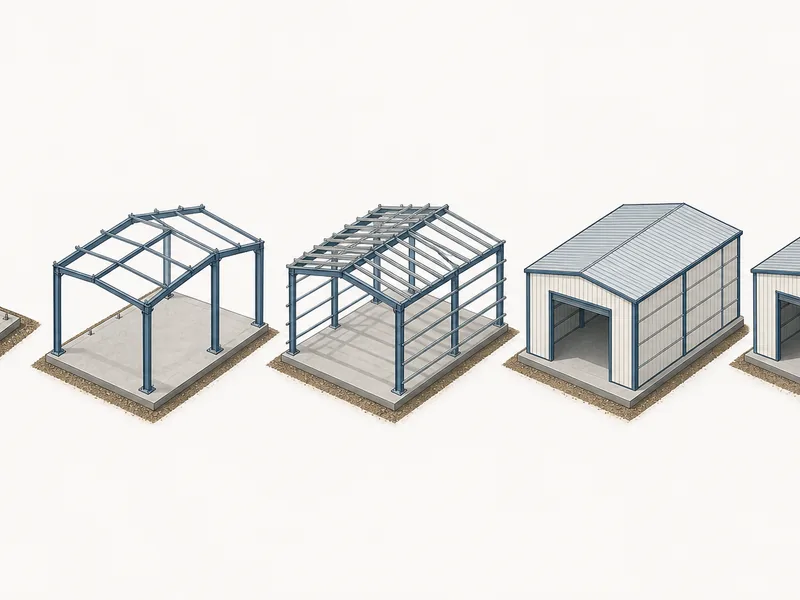
Pick the Build Path Before You Price Labor
The build path you choose decides who carries the risk, schedules the trades, and signs off at each inspection. Most steel building projects follow one of three paths, and the right one depends less on budget than on how much site coordination you can realistically manage. Small, simple structures are sometimes owner-erected, while larger or occupied buildings almost always involve licensed trades and a general contractor.
| Build path | Who manages it | Best suited to | Main trade-off |
|---|---|---|---|
| DIY / self-erect | Owner | Small, simple, low-complexity kits (some guides use sub-3,000-sq-ft projects as the example), rural sites | You absorb every sequencing error; practical only for lighter structures |
| Owner-builder | Owner hires trades directly | Owners with real construction experience and time | Saves the contractor markup but demands hands-on coordination |
| General contractor | Licensed GC | Larger, occupied, or code-complex buildings | Adds a contractor management markup in exchange for schedule and liability control |
A small crew can stand a simple kit in a matter of days, given favorable kit, crew, slab, and equipment conditions. That speed is why self-erection appeals on a labor cost for erecting a metal building basis. The trade-off is that you absorb every sequencing mistake yourself. Larger spans, multi-trade interiors, and occupied-use buildings move the balance toward a contractor who can carry both the schedule and the liability.
Planning, Engineering, and Permits for a Steel Building
Planning locks three things before any concrete is poured: the building design, the structural engineering, and the permits. The design fixes dimensions, bay spacing, door and window openings, and intended use, all of which feed the load calculations. Building use and shape also change which framing system fits, so comparing types of metal buildings early prevents a redesign after fabrication has started.
Structural engineering is where the building meets code. Most U.S. jurisdictions build on the International Building Code, which references AISC 360 for structural steel design and ASCE 7 for minimum wind, snow, and seismic loads. Outside the U.S., the same logic applies: build to the locally adopted building code and recognized structural standards. The engineered drawings set member sizes and connections. The steel building wind load for your region has to be designed into the frame; a generic catalog spec is not enough.
Permits gate the start of work, and they vary more than any other stage. A permanent steel building needs a building permit in most jurisdictions, and you may also need separate sub-permits for the foundation, electrical, plumbing, and fire suppression. Approval commonly takes a few weeks, but some authorities accept engineer-stamped drawings quickly while others require multiple plan reviews, so confirm the local process before you commit to a schedule.
Site Preparation and Foundation Work
Site work and the foundation are the stage most likely to delay everything downstream, because the frame cannot rise until the slab has cured and the anchor bolts sit exactly where the drawings call for them. Site preparation means clearing, grading to a level pad, confirming drainage, and verifying that the soil can carry the load, with a soil bearing test ordered here when the engineer requires one.
The concrete slab usually serves as both foundation and floor in a single pour. A typical design uses a reinforced slab several inches thick, a minimum concrete strength set by the engineer, and the specified curing period (often referenced around the 28-day design strength, but confirmed by the engineer) before any steel goes up. Slab thickness, rebar spacing, and strength are not figures to copy from an article; they come from the engineered foundation plan for your loads and soil.
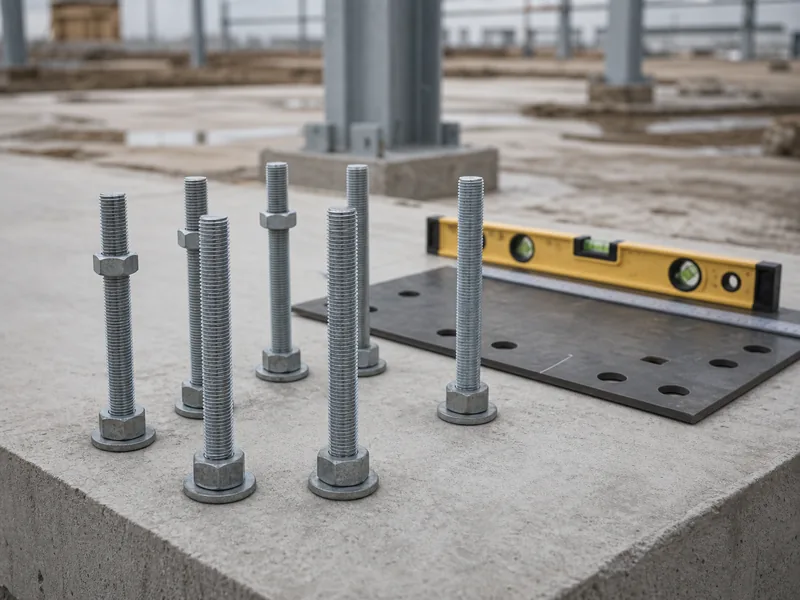
The handoff that can wreck schedules is the anchor bolt plan. The bolt layout and column reactions come from your steel building manufacturer, so the foundation engineer needs that data before finalizing the slab. Coordinate with your metal building supplier before the pour, not after. Anchor bolts set out of position, or a slab out of level beyond the project tolerance, can force field corrections that cost far more to fix than to prevent.
Before the first column goes up, walk this short verification list:
- The slab has reached its specified cure time and strength.
- Anchor bolt positions match the supplier’s template, not just the general layout.
- The foundation is level within the project’s stated tolerance.
- The anchor bolt plan and column reactions on site match the approved drawings.
Erecting the Steel Frame and Secondary Steel
Frame erection sets the primary structure first, then adds the secondary steel that braces it and carries the skin. Crews bolt columns and rafters into rigid frame assemblies, then anchor the column base plates to the foundation, and repeat down the building line. The heavy lifting and alignment at this stage are why even owner-builders often rent equipment or bring in an experienced crew.
Before lifting begins, a short readiness check prevents a common stalls:
- Approved erection drawings are on site and current.
- All primary and secondary components are inventoried against the packing list.
- Lifting equipment and fall and head protection are on hand and rated for the loads.
- Temporary and permanent bracing is staged and installed per the drawings.
- Weather and daylight conditions are suitable for safe lifting.
These checks follow the manufacturer’s drawings, the engineer’s requirements, and local safety rules; there is no fixed field recipe that overrides them.
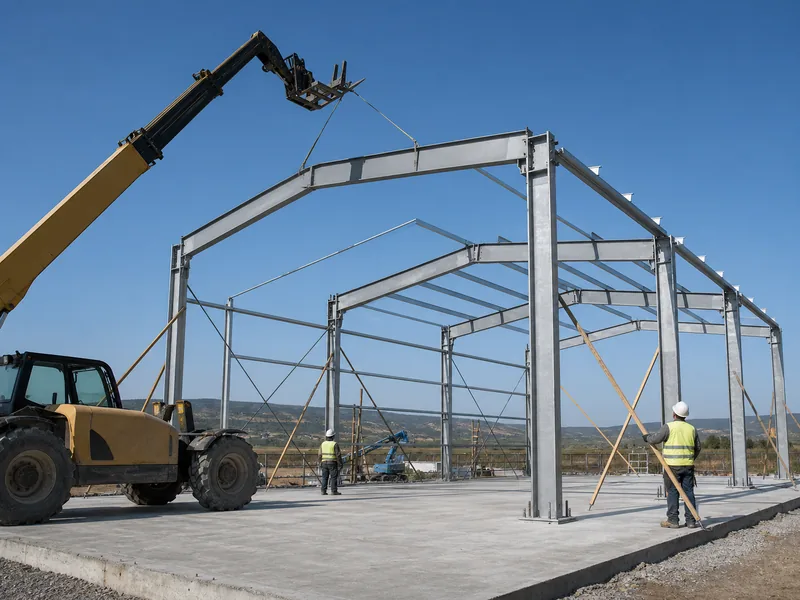
Plumbing and squaring the frame before final tightening is the step amateurs skip and regret. The frame is brought into true alignment (plumb in the vertical, square in plan), and only then are the connections torqued to the manufacturer’s specification. Tighten everything before the building is squared and you lock in a lean that telegraphs into every panel line afterward.
Secondary steel goes on once the primary frame is true. Girts run horizontally along the walls and purlins span across the rafters, both giving the panels a fastening surface and bracing the frame against buckling. Their spacing comes from the engineered drawings because it carries wind and snow load into the main frame, so it is never a field decision.
Enclosing and Finishing the Building
Enclosure turns the frame into a weathertight shell, often following the manufacturer’s sequence for the wall and roof panels. Wall sheeting commonly goes on first, followed by roof panels with the specified eave overhang, then trim, gutters, and flashing at the seams where leaks begin. Fasteners are driven to seat the washer, because over-driving deforms the panel and breaks the seal while under-driving leaves a gap, and both surface as leaks a season later.
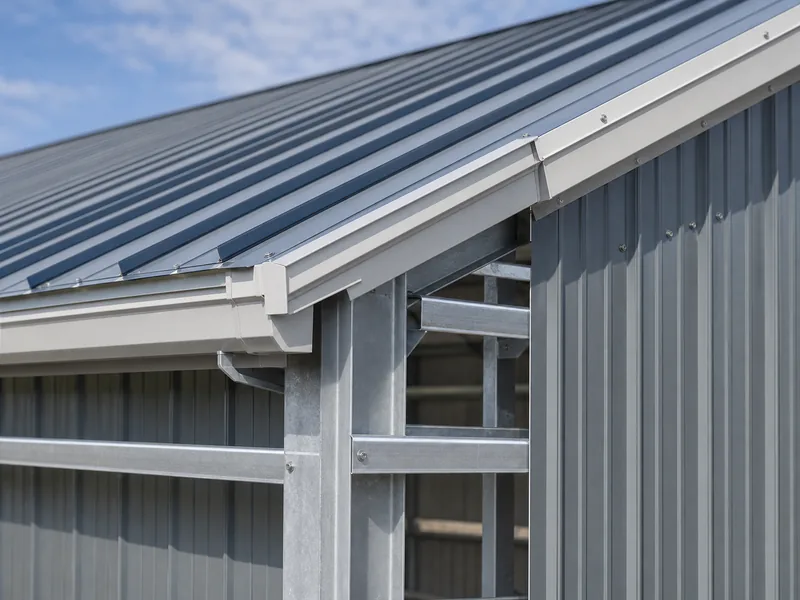
The roof rewards getting right the first time, since the panel profile and seam type drive long-term weather performance; weighing the types of metal roofs against your climate belongs in the design stage, not at install. Insulation is then fitted against the skin to control condensation and energy use, with the assembly chosen for the building’s climate and intended use.
Interior finishing, including framing, drywall, electrical, plumbing, and HVAC rough-ins, follows enclosure under its own trade permits and inspections. These systems sit outside the steel scope and run as a parallel trade track after the shell is closed.
Final Inspection and Common Steel Building Mistakes to Avoid
Final inspection confirms the building matches the approved drawings and is safe to occupy, and where required it is the gate to a certificate of occupancy or final approval. Local inspectors check structural, electrical, and life-safety items against code, and passing depends on the work having followed the stamped plans instead of on a last-minute fix. Schedule it early, because re-inspection delays hand-over.
Most steel building problems trace back to sequence and coordination, not to the materials. The errors that cause the most rework are predictable:
- Pouring the slab before the supplier’s anchor bolt plan is final, then chasing misplaced bolts.
- Starting site work or erection without permits and engineer-stamped drawings in hand.
- Tightening frame connections before the building is plumbed and squared.
- Driving panel fasteners by feel instead of to the specified seating, then fighting leaks.
- Treating local code as an afterthought when loads and inspections are jurisdiction-specific.
Anchor Bolts Are the Project Handoff
The project handoff that deserves the most attention is the anchor bolt plan before the foundation is poured. Get that handoff right and the frame, enclosure, and inspection stages fall into place in order; get it wrong and every later stage inherits the error. Before breaking ground, settle the build path, confirm the permit and load requirements for your jurisdiction, and align the foundation design with the supplier’s reaction and bolt data.
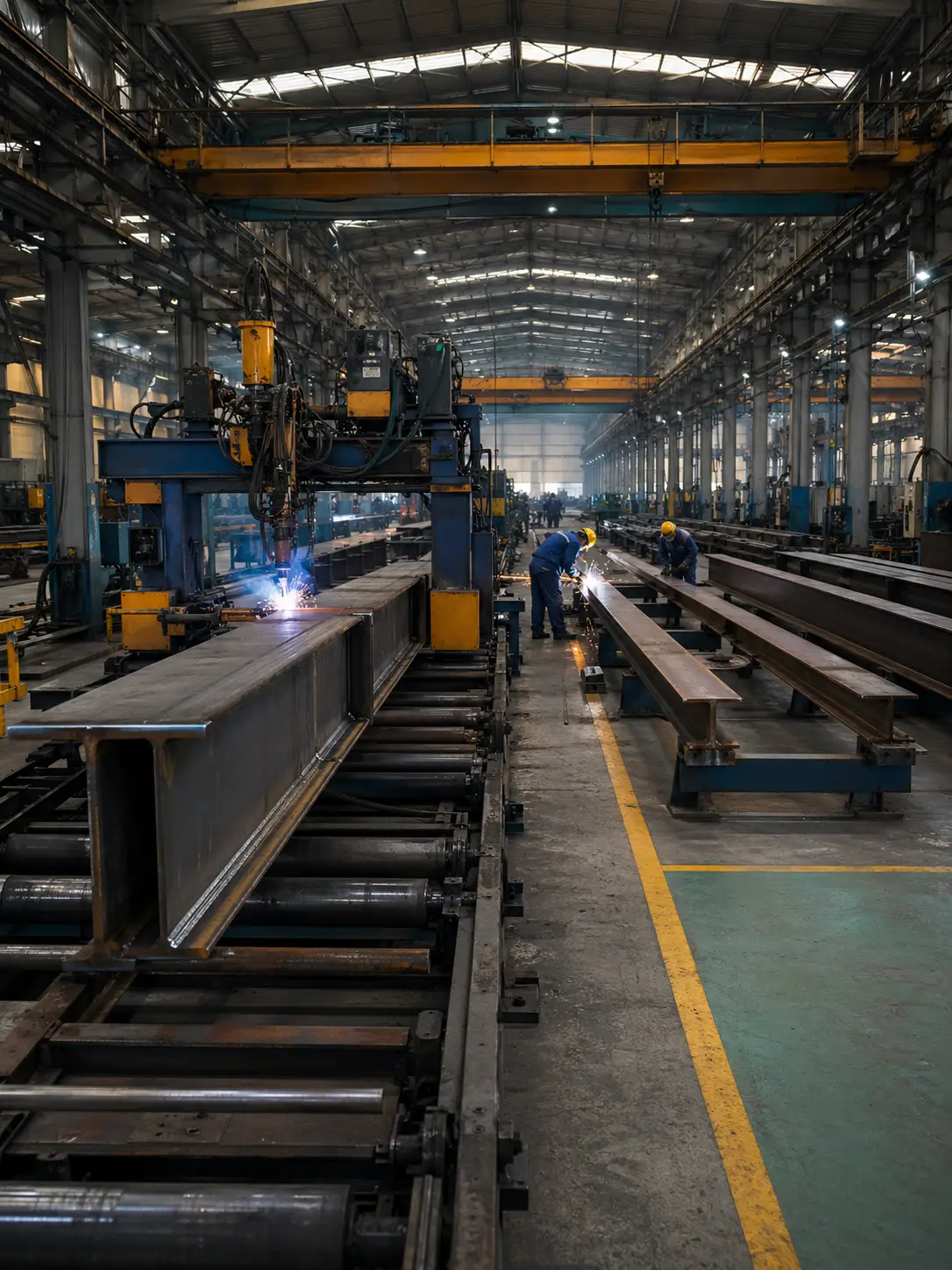
That coordination is also where the manufacturer’s role matters: the steel building design package should provide the anchor bolt layout and column reactions the foundation team needs. A steel structure manufacturer such as Qingdao KAFA Fabrication Co., Ltd. designs and fabricates light and heavy steel structures on dedicated lines for H-beams, box sections, C/Z purlins, and profile steel plate under documented quality procedures. Coordinate that design-to-foundation handoff early if you want the build sequence to stay on schedule.
FAQ
Do you need a permit to build a steel building?
A permit is required for most permanent steel buildings, and large or occupied structures often need additional sub-permits for the foundation, electrical, and plumbing. Requirements and review depth vary by jurisdiction, so confirm the local process before scheduling work.
How long does it take to build a steel building?
A steel building typically takes from a few weeks to a few months, depending on size, permit approval, and weather. Small simple kits can be erected in days once the slab has cured, while larger or code-complex buildings stretch the timeline through design, approval, and finishing.
What foundation does a steel building need?
Most steel buildings sit on a reinforced concrete slab that serves as both foundation and floor. The exact thickness, reinforcement, and concrete strength come from an engineered foundation plan based on the building’s loads and the site’s soil, not from a standard figure.
Can you build a steel building yourself?
Smaller, simpler steel kits can be owner-erected, often with a small crew and rented lifting equipment. Larger spans, occupied uses, and code-complex projects are better handled by licensed trades or a general contractor who can carry the schedule and inspections.
What tools and safety equipment are needed to erect a steel building?
Erecting a steel building calls for basic measuring, fastening, and lifting tools (levels, wrenches, impact drivers, and a lift or crane for heavier frames), plus fall and head protection and temporary bracing. The exact kit scales with the building size and the manufacturer’s instructions, so treat the erection drawings and local safety rules as the reference.
How much does it cost to build a steel building per square foot?
Cost per square foot varies widely with building size, configuration, foundation, interior finish, and region, so any single figure is only a starting point. Separate the shell, foundation, erection labor, and interior fit-out when budgeting, and treat published per-square-foot ranges as conditional.