




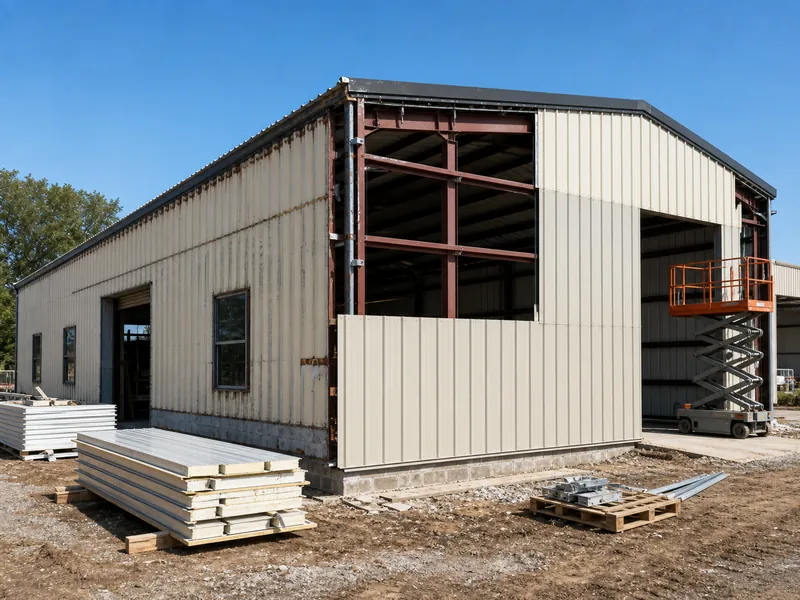
A sound steel frame is almost always the part of an existing metal building you keep, not the part you replace. Most renovations work around that frame: new wall and roof panels, added insulation, relocated doors and windows, a mezzanine, or an addition tied to an end wall. So the real questions for owners of aging industrial steel buildings are narrower than “renovate or not.” They are how far to take the work, and whether the existing structure can carry what you want to add. This guide covers what a metal building renovation actually involves, how to choose between reskinning and rebuilding, and the structural and code checks that decide whether a plan is feasible.
What Renovating a Metal Building Actually Covers
Renovation, repair, and maintenance describe three different scopes of work on a metal building, and treating them as the same thing is how budgets go wrong. Maintenance is routine upkeep: inspection, tightening fasteners, touching up coatings, clearing gutters. Repair fixes specific damage or deterioration, such as a corroded panel or a leaking roof seam. Renovation is a deliberate change or upgrade, including reskinning, re-roofing, adding insulation, moving openings, building out the interior, or expanding the footprint.
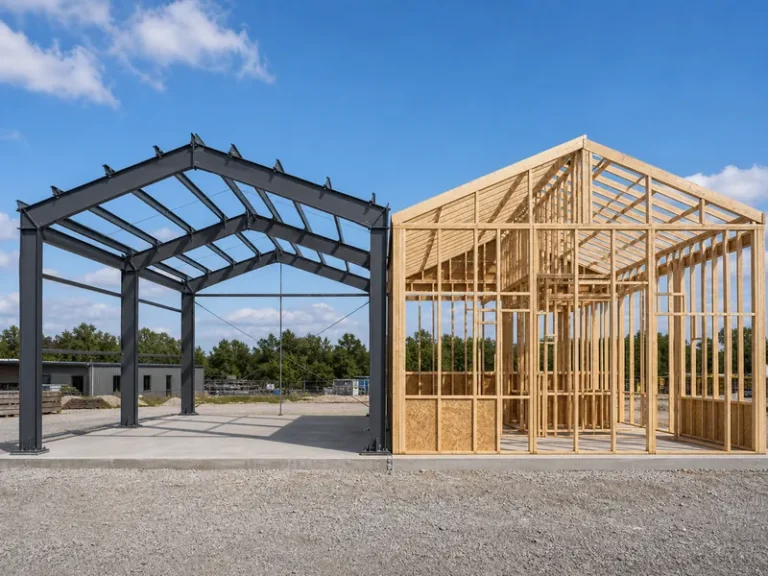
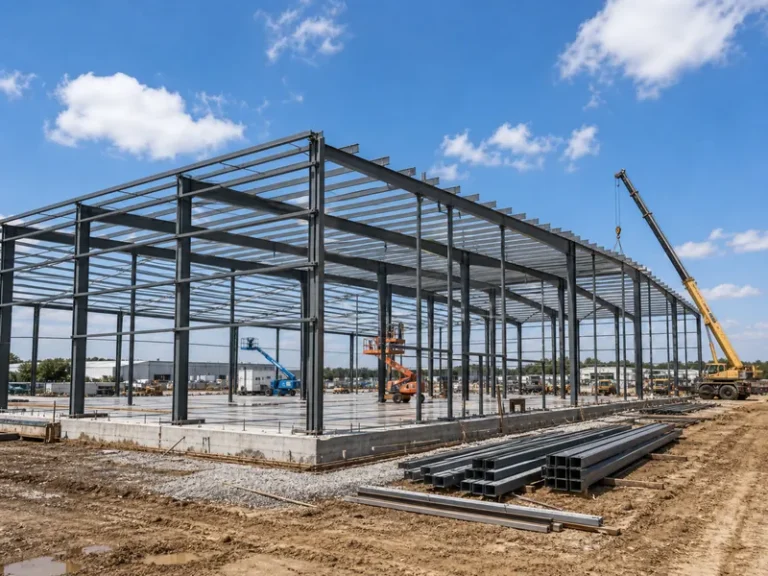
The reason steel renovates well is the split between what carries load and what does not. In a pre-engineered metal building, the primary structure, meaning the rigid frames, columns, anchor bolts, and foundation, is engineered to outlast the cladding wrapped around it. The skin, that is the wall panels, roof panels, insulation, trim, doors, and windows, is replaceable by design. A renovation renews that envelope and the interior while the load-bearing frame stays exactly where it is, which is rarely possible with masonry or wood-framed construction.
The Main Ways to Renovate a Metal Building
Most metal building renovations fall into a handful of recognizable scopes, and a single project usually combines two or three of them. The table below sorts the common ones by what they change, what tends to trigger them, and how large the job typically runs.
| Renovation type | What it changes | Typical trigger | Relative scope |
|---|---|---|---|
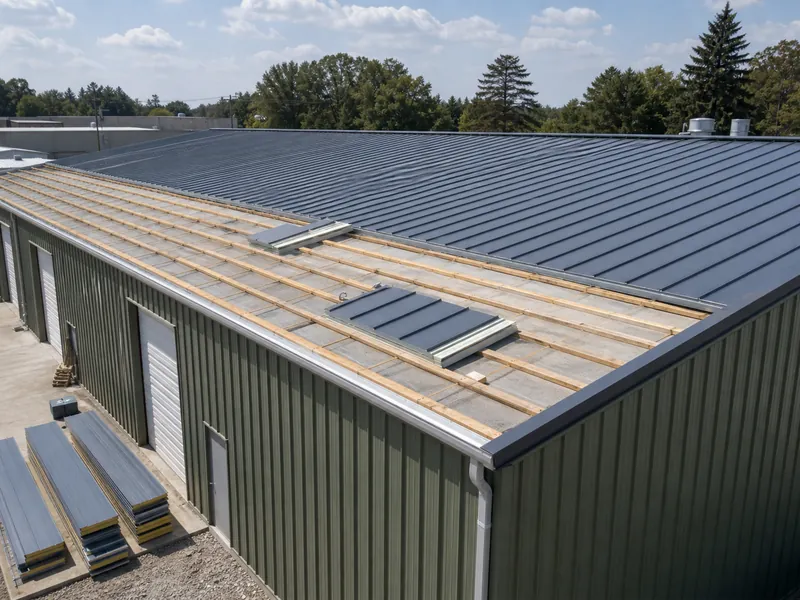
| Roof recover / retrofit | New metal roof on sub-framing over the existing roof | Leaks, dated roof, energy goals | Moderate; avoids tear-off |
| Reskinning | Replaces exterior wall panels and trim | Faded or dented panels, brand refresh | Moderate; frame stays |
| Insulation / energy upgrade | Adds or upgrades insulation and ventilation | High energy bills, comfort, code | Low to moderate |
| Doors, windows, openings | Relocates or adds wall openings | Workflow change, daylight, access | Low to moderate; may need framing |
| Interior build-out | Mezzanine, liner panels, partitions | More usable area, change of use | Moderate to high |
| Expansion / addition | Extends footprint or adds a story | Outgrown the existing space | High; needs load review |
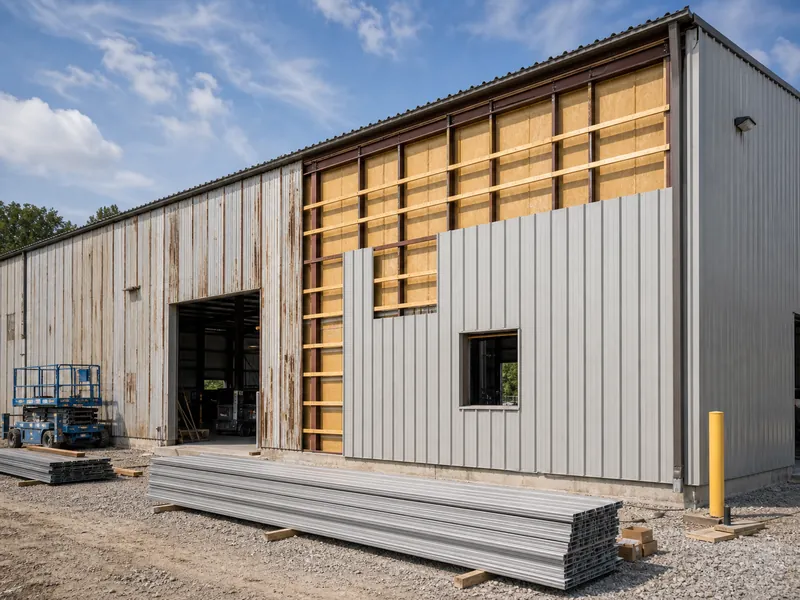
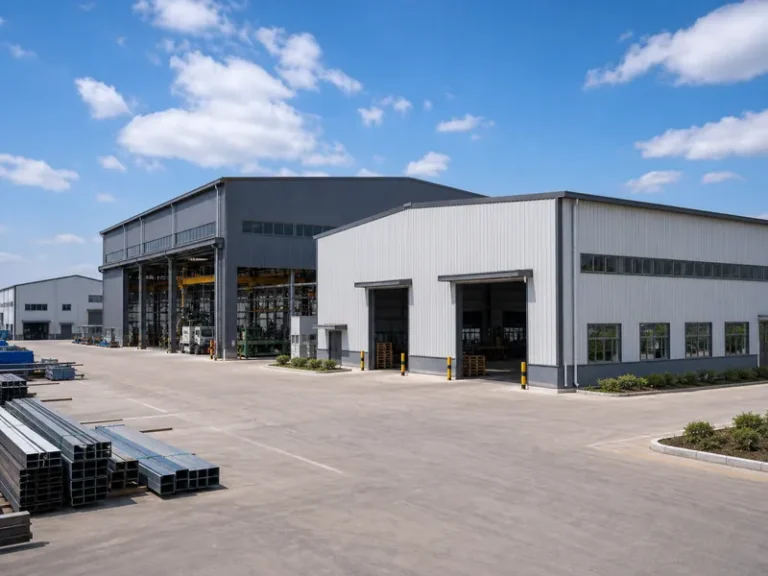
A roof recover installs a new standing seam or screw-down roof on light sub-framing over the old one, which avoids the cost and landfill of a tear-off and leaves room for added insulation. Reskinning strips the old wall panels and trim and hangs new ones, restoring both appearance and weather-tightness without touching the frame. When the goal is appearance rather than new panels, recoating the existing metal is an option, and the choice between recoating and a fresh panel finish follows the same durability tradeoffs covered in galvanizing versus painting steel.
Energy upgrades deserve a note on sequencing. Adding or upgrading metal building insulation is usually bundled with other envelope work rather than done on its own. On older buildings, fiberglass that has been pressed against the panels for years tends to bond to the metal, and pulling it off shreds it and drops the R-value, so a retrofit roof that creates a fresh cavity, or new insulation installed during a reskin, generally beats trying to salvage the original blanket. Interior build-outs, including mezzanines and steel liner panels, add usable area but also add weight, which moves them into the structural conversation below.
Renovate and Reskin vs. Rebuild: Making the Call
An aging metal building is not automatically a teardown, and in most cases the frame is the last component to wear out. When the structure is sound, with no significant section loss from corrosion, intact anchor bolts and foundation, and frame geometry still true, reskinning and retrofitting renew the building at far less cost and disruption than demolition and new construction. How much service life a renewed envelope buys depends on the structure underneath, which is the same logic behind how long metal buildings last in the first place.
A rebuild starts to make more sense in a few specific situations: widespread frame corrosion or measurable section loss at connections, a foundation that has failed or settled, or a planned use the existing geometry simply cannot accommodate, such as a clear-span or clear height the frame was never built to provide. Code gaps can tip the balance too, when bringing an old structure up to current requirements approaches the cost of new construction. In those cases the relevant comparison is renovation against the cost of demolition plus rebuilding, not renovation in isolation.
Before assuming a rusty-looking frame is finished, check whether what you are seeing is surface scale or real section loss at the base of the columns and at the anchor bolts. Surface rust cleans up and recoats. Section loss at connections is the kind of finding that pushes a project from reskin toward rebuild, and it is worth confirming with a structural look before any panels are ordered.
Adding On and Expanding an Existing Building
Expanding a metal building introduces load paths the original design never accounted for, so every expansion starts as an engineering question before it is a construction one. There are four common approaches. An end-wall extension adds bays at the same width, and it is cleanest when the end wall was built as an expandable post-and-beam wall meant for future removal. An expansion endwall costs more upfront than a fixed one but is designed to come off, which pays back when growth is expected. A lean-to or side add-on attaches along a sidewall and needs attention to the shared wall and drainage. A second story or structural mezzanine is the path when a site is landlocked and the only direction left is up.
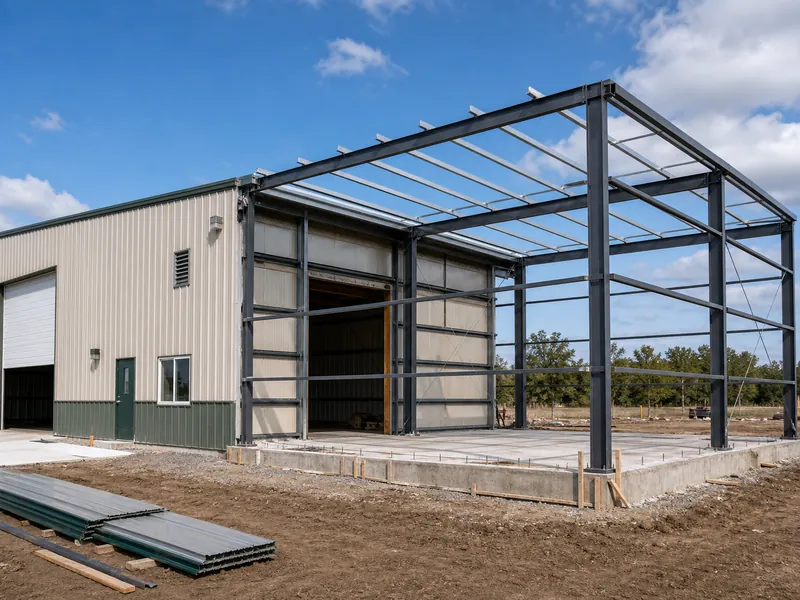
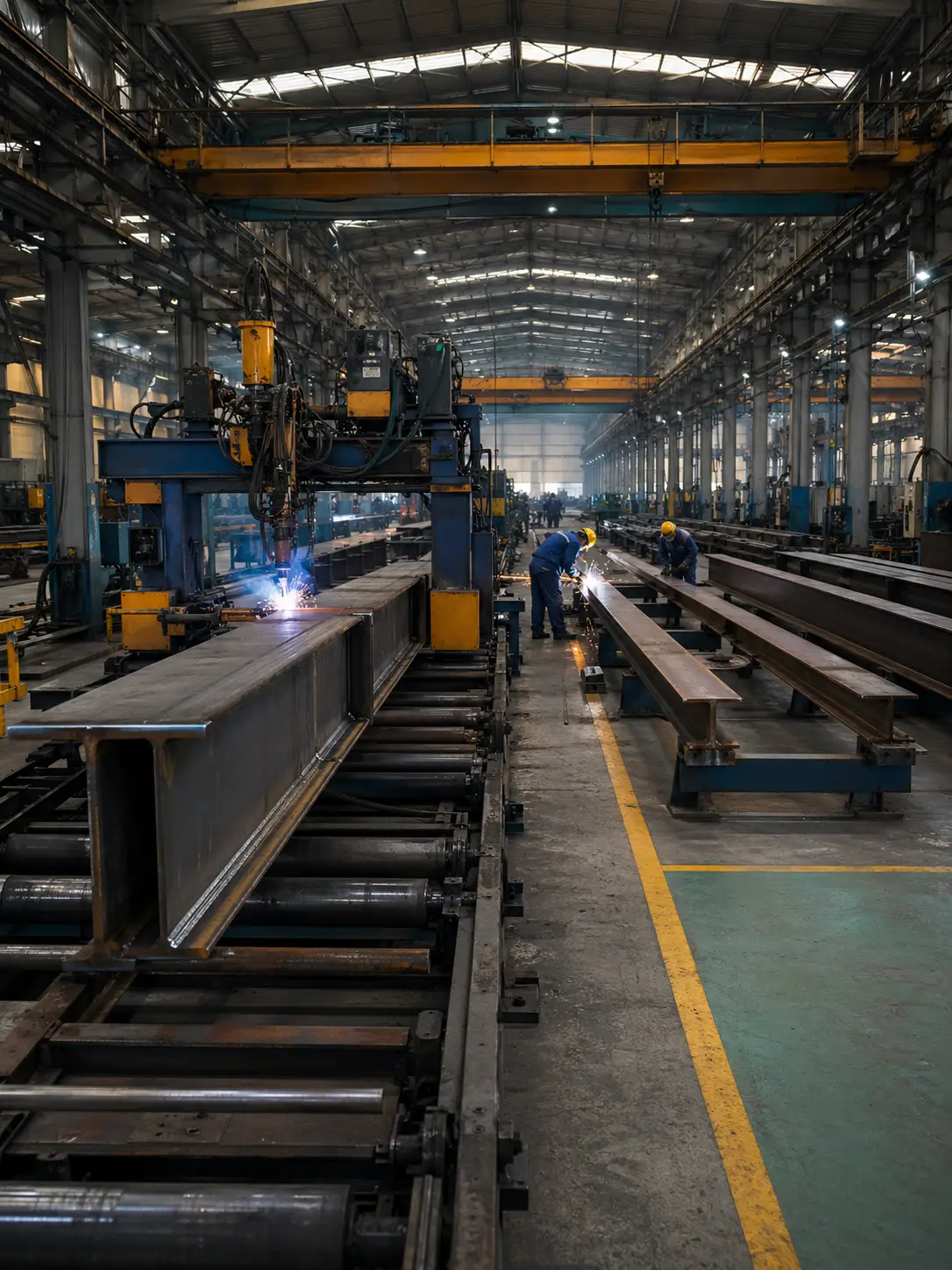
Every one of these requires pulling the original design drawings and rechecking capacity against current loads, including wind, snow, seismic, and the new dead and live loads the addition imposes. A taller addition next to the original building can also throw snow drift onto the older roof, an imposed load that is easy to miss. Matching new work to the existing building means sourcing replacement metal building components, from rigid frames and C and Z purlins to girts and wall panels, fabricated to the original geometry. A steel fabricator running H-beam, box-section, and purlin lines, such as Qingdao KAFA Fabrication, can supply members cut to the original profiles instead of forcing a mismatch at the tie-in.
Inspect Before You Invest: Structural Condition Checks
A condition assessment before design tells you which renovation scope the building can actually support, and it usually changes the budget more than any finish selection. A practical walk-through covers a short list of load-bearing and envelope items:
- Primary frame and connections: section loss, plus weld and bolt condition at column bases and rafter splices.
- Anchor bolts and foundation: corrosion at the slab line, cracking, and settlement.
- Roof and wall panels and fasteners: backed-out screws, oil-canning, seam leaks, and failed fastener gaskets.
- Insulation: moisture, compaction, and whether it has bonded to the panels.
- Existing capacity against intended new loads: original design loads compared with what the renovation adds.
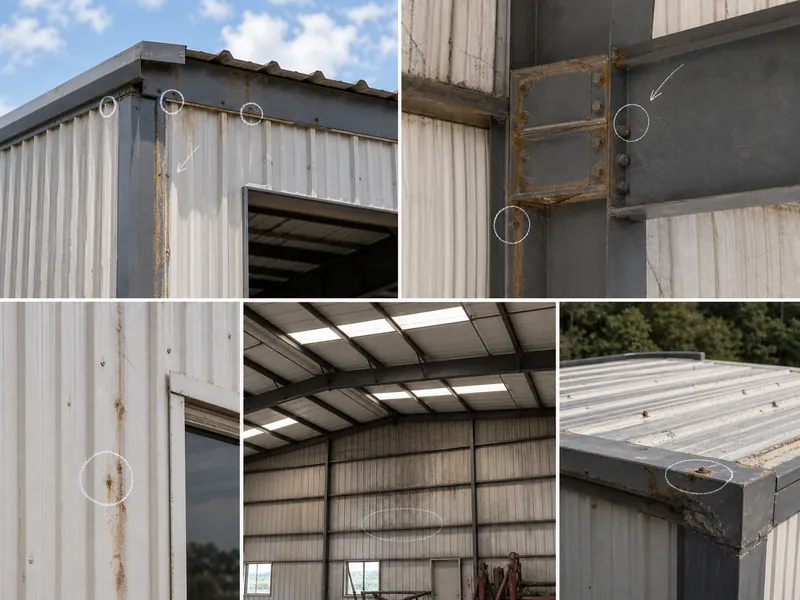
In coastal or high-humidity sites, the fasteners and panel laps are the places to look first, because they give up long before the frame does. A building that needs only new screws, closures, and sealant sits in a very different budget from one with section loss in the frame. Folding these checks into a regular steel building maintenance routine also catches small problems while they are still cheap, well before they force a renovation.
Permits, Codes, and What Drives the Cost
Alterations, additions, and changes of occupancy to an existing building are governed by the International Existing Building Code (IEBC), not the new-construction code alone. Re-roofing or reskinning can trigger energy-code requirements for added insulation, and a change of use, for instance converting a warehouse into retail or office space, can trigger accessibility and life-safety upgrades. The fee for pulling a permit is small next to the cost of a stop-work order or redoing concealed work. Settle that question with the local building department before the job starts.
Cost follows scope, building size, condition, and how much structural work the plan sets off. As a reference point, recovering or retrofitting a metal roof over the existing one runs roughly $3.50 to $10 per square foot depending on the system and the condition of the old roof, materially less than a full tear-off and replacement. Reskinning likewise renews the envelope for far less than demolition and new construction when the frame is sound. Because those numbers move with conditions, it helps to read any quote against a fixed scope:
Reading a renovation quote
- Usually included: new panels or roof system, fasteners, trim, and labor for the scope quoted.
- Usually not included: foundation work, structural reinforcement, permits, engineering, insulation upgrades, and freight, unless listed.
- Pushes the price up: hidden corrosion or section loss, added loads such as a mezzanine or second story, code-triggered upgrades, and tight or occupied sites.
When replacement panels, purlins, or new framing will carry loads the original members did not, those parts should be fabricated to the original drawings and checked against the new load case. Sourcing them from a fabricator working under ISO 9001:2015 quality management keeps the replacement steel consistent with the structure it ties into.
Conclusion
Settle the structure before the styling. The order that keeps a renovation on track starts with the structure: confirm the frame and foundation can be reused through a condition assessment. From there, size the scope to the building’s next use and the budget, whether that means a reskin, a roof recover, new insulation, relocated openings, or an addition. Any plan that adds load is a structural job, not a cosmetic one, and it needs the original drawings rechecked before panels are ordered. A reskin or roof recover renews a sound steel building for far less than a teardown, while an expansion or change of use is feasible only as far as the existing frame and foundation will carry it. Match the renovation to what the structure can support, and the steel frame you already own does most of the work.
FAQ
Can you renovate a pre-engineered metal building?
Yes, a pre-engineered metal building is well suited to renovation because its bolted, modular components can be replaced individually. Panels, purlins, doors, and insulation come off and go back on without disturbing the rigid frame, which is why reskins and retrofits move faster than comparable work on masonry or wood. The single precondition is a frame in sound structural condition, so confirm that before planning cosmetic or energy upgrades.
Is it cheaper to reskin a metal building than to rebuild?
Reskinning is typically far cheaper than rebuilding when the structural frame is intact, because it reuses the most expensive engineered part of the building. New panels, trim, and a roof recover renew the envelope without demolition, disposal, foundation, or re-erection costs. The comparison flips only when the frame has real section loss or the foundation has failed, at which point reskinning a structure you will soon replace anyway is false economy.
Can you add a second story to an existing metal building?
Adding a second story or a structural mezzanine depends entirely on whether the existing columns, frames, and foundation were sized for that load. Buildings designed only for their original single-story loads often need reinforced columns and enlarged footings before anything goes up, which is why the original design drawings and a fresh load check come first. Where a property is landlocked and outward expansion is blocked, building upward is the usual path despite that added structural work.
How do you insulate an existing metal building?
Insulating an existing metal building is usually done one of three ways: a retrofit roof system that creates a cavity for thicker insulation over the old roof, new insulation installed during a reskin, or interior liner panels over batt or rigid board. Tearing out old fiberglass that has bonded to the panels often shreds it and lowers the R-value, so adding a new layer or reskinning frequently beats salvaging the original blanket. The right method follows whichever envelope work is already underway.
Do you need a permit to renovate a metal building?
Most alterations, additions, and changes of occupancy require a permit, because work on existing buildings falls under the International Existing Building Code and local amendments. Re-roofing, reskinning, structural changes, and converting a building’s use can each trigger energy, accessibility, or life-safety requirements that a permit review checks. Purely cosmetic work such as recoating may not, but confirming with the local building department before starting avoids stop-work orders on the larger items.
Further Reading
- International Existing Building Code (IEBC) — International Code Council — The model code governing repairs, alterations, additions, and changes of occupancy to existing buildings, and the framework a renovation permit is reviewed against.
- Metal Building Manufacturers Association (MBMA) — The industry association for metal building systems, with research and guidance on retrofit roofing, reskinning, and the energy performance of existing metal buildings.
- Minimum Design Loads and Associated Criteria for Buildings and Other Structures (ASCE/SEI 7) — The load standard used to recheck wind, snow, seismic, and dead and live loads when an addition or second story adds demand to an existing frame.