




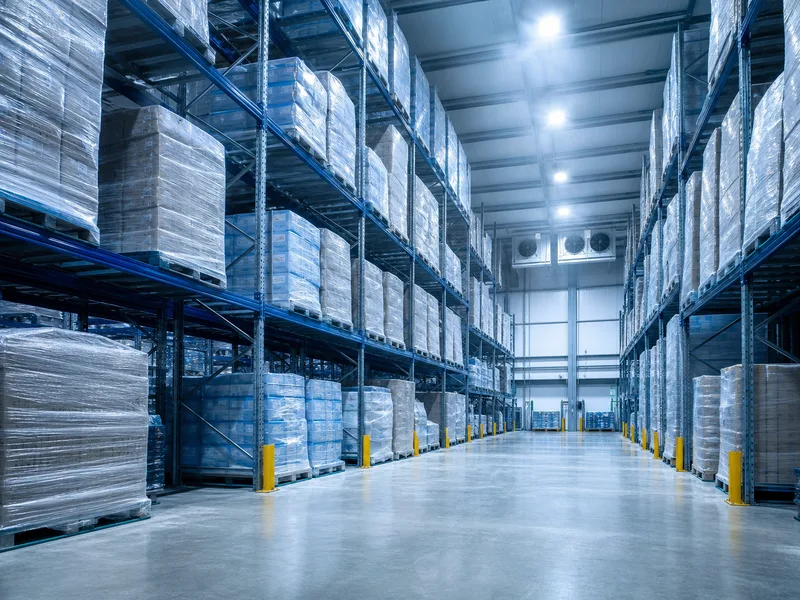
Cold storage rates per pallet usually land between about $18 and $40 a month in third-party refrigerated warehouses, with chilled space at the low end and frozen or deep-freeze positions pushing the top. That base storage rate is only part of the invoice. Handling a pallet in and back out, receiving, blast freezing, and account minimums all stack on top, so the number you actually pay per pallet is often well above the storage line on the quote.
This guide covers what public and 3PL refrigerated warehouses charge to store a pallet, the fees layered around that rate, what pushes it up or down, and the point where ongoing rental stops beating building your own space. It does not price out constructing or operating your own facility; those are separate decisions, linked where they matter below.
What “rates per pallet” actually covers
A per-pallet rate buys one standard pallet position in a temperature-controlled room for a billing period, and nothing else. In the U.S. that period is almost always a month. Some European and 3PL contracts quote per week, so confirm whether a rate is monthly or weekly before you line up two numbers that look alike.
The position itself comes in two forms. A bulk, floor-stacked spot is cheaper because the warehouse packs pallets tightly and accepts that yours might sit behind someone else’s. A racked position costs more because it reserves an individually accessible slot, which matters when you turn stock often or run strict lot and date rotation. Everything beyond holding that position, such as moving it, receiving it, or freezing it down, is billed on its own. That separation is where most first-time quotes get misread.
Typical cold storage rates per pallet
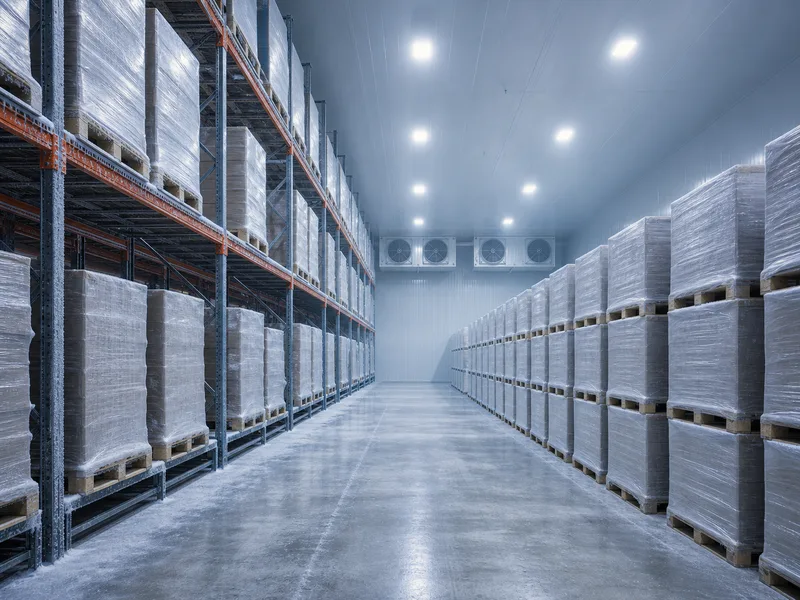
Refrigerated pallet positions generally run $18 to $40 a month, and the spread inside that band tracks temperature more than any other single factor. The table below sets typical monthly ranges next to a dry baseline; the gap between ambient warehousing and cold storage is mostly the cost of refrigeration energy.
| Temperature zone | Typical rate per pallet / month |
|---|---|
| Ambient / dry (reference, not cold) | about $18–$25 |
| Chilled / cooler (about 33–41°F) | about $18–$32 |
| Frozen (around 0°F) | about $25–$40 |
| Deep-freeze (below about -10°F) | $40 and up |
A climate-controlled position at a typical 3PL averages somewhere around $22 to $30 once volume is factored in, which is where most chilled and lightly frozen accounts cluster. Frozen and deep-freeze space sits higher, often a quarter to half again more than chilled, because holding a room at 0°F or below draws far more power and ties up more specialized equipment. Region and volume then slide the whole band: the same 500 pallets that quote near $25 in a coastal California market can land closer to $18 to $19 in parts of the Midwest. None of these are fixed prices; they are starting ranges to test against a real quote for your temperature, region, and volume.
What a per-pallet rate covers:
- Included: one pallet position in the rated temperature zone for the billing period, month or week.
- Billed separately: handling in and out, receiving, blast freezing, cross-dock, pick and repack, and any monthly account minimum.
- Pushes it higher: colder temperature classes, coastal or high-cost markets, low volume, short or month-to-month contracts, and fast stock turns.
The fees that stack on top of storage
Storage is the recurring line, but handling and accessorial fees are what turn a tidy per-pallet rate into a much larger monthly invoice.
- Handling in and out: most warehouses bill about $4 to $8 per pallet each way, so every pallet that arrives and later ships carries two handling charges beyond storage.
- Receiving: checking in and unloading a pallet often runs around $10 or more, depending on whether cases are counted, scanned, or restacked on arrival.
- Blast freezing: pulling product down to temperature is priced by weight, not by pallet. One U.S. operator’s published card lists about $1.25 per 100 lb with a per-lot minimum, and it applies only when goods arrive warmer than the room.
- Cross-dock and transfer: moving a pallet straight through without storing it still triggers handling, commonly in the $25 to $30 per pallet range plus a delivery fee on published rate cards.
- Pick and repack: selecting cases or rebuilding pallets adds a few dollars per pallet or per case when you ship in less-than-pallet quantities.
- Minimums and aging premiums: small accounts usually hit a monthly minimum of a few hundred dollars, and slow-moving pallets past a six-month mark can pick up an aging surcharge.
Read together, those lines explain why two warehouses quoting the same storage rate can bill very differently. The one with lower handling and no minimum often wins on the all-in number even when its headline rate looks higher.
What moves your per-pallet rate up or down
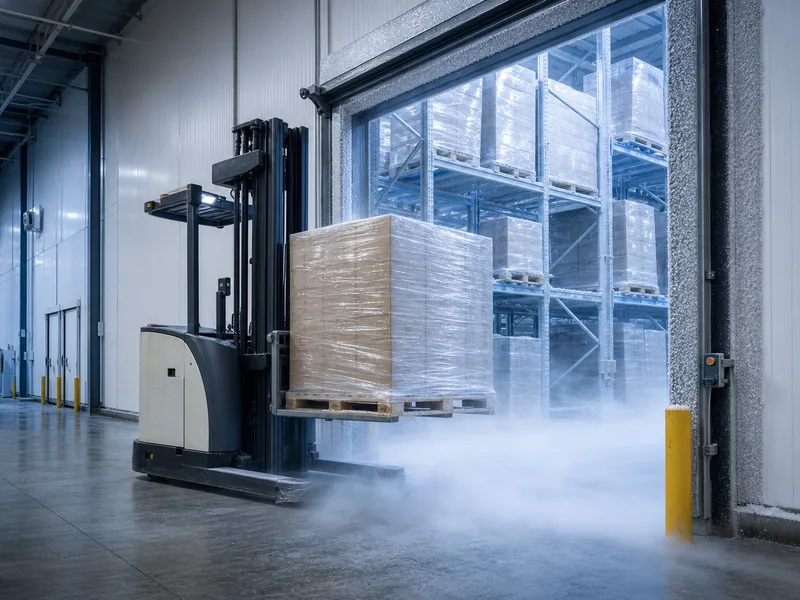
Where your rate lands inside the typical band is mostly a function of how hard your account is to serve and how much of it there is. Volume is the most direct lever. Storing more than roughly 100 pallets typically earns a 5 to 10 percent break, while an account under about 30 usually pays a minimum rather than a true per-pallet rate, so consolidating shipments or committing volume moves the number first. Temperature is the next lever, and it runs the other way; every degree colder adds to the energy line, which is why spec’ing the warmest temperature your product tolerates beats defaulting to “frozen” out of caution.
The remaining drivers are geography and commitment. Rates track local real estate and power costs, so a facility two hours inland can undercut a port-metro warehouse by several dollars a pallet. A twelve-month commitment usually prices below month-to-month overflow space because the warehouse can plan around your slots. Turn frequency decides the rest: a fast-moving SKU multiplies handling, so it can cost more all-in at a low storage rate than a slow one at a higher rate, which is why you model handling, not just storage, before you sign.
Per pallet vs per square foot vs per cubic foot
Per-pallet pricing is the default for cold storage, but warehouses also quote by the square foot, the cubic foot, or the bin, and the basis you accept changes who absorbs the cost of wasted space. A per-pallet rate is predictable: you pay for the position whether it is full or half empty. A footprint or volume basis is priced for dry space at roughly $1.73 per square foot or $0.46 per cubic foot, and meaningfully higher when refrigerated. That basis can favor dense, tall, slow-moving stock, but it charges you for the aisle and overhead space you do not stack into.
Match the basis to your product, then normalize every competing quote to one basis before you compare. Steady, full pallets belong on per-pallet pricing; oddly shaped or bulk floor stock often justifies a footprint quote, since a position rate on a half-used pallet wastes the slot you are paying for.
How to estimate your monthly cold storage bill
A usable estimate adds three things: storage for every position, handling for every pallet that moves, and any minimum the account triggers. Take 250 frozen pallets at $24 a month. Storage alone is $6,000. If the whole inventory turns once a month, that is 250 pallets received and 250 shipped at, say, $6 each way, another $3,000 in handling. Add receiving and the odd accessorial and the account lands near $9,000 a month, or about $36 per pallet all-in, half again above the $24 storage line.
Change one assumption and the picture moves. Slow the turn to once a quarter and handling falls toward $1,000 a month; run it twice a month and handling overtakes storage entirely. Model your turn rate explicitly, because a storage rate quoted in isolation tells you less than half the story for a fast-moving account.
When per-pallet rental stops paying off
Renting per pallet makes sense until committed volume and dwell time turn the monthly invoice into the cost of a building you could have owned. A few hundred pallets held for a season is squarely rental territory. Several thousand positions occupied year-round for years is where the math starts to favor ownership, because cumulative rent (positions times rate times months) climbs past the capital cost of a dedicated room.
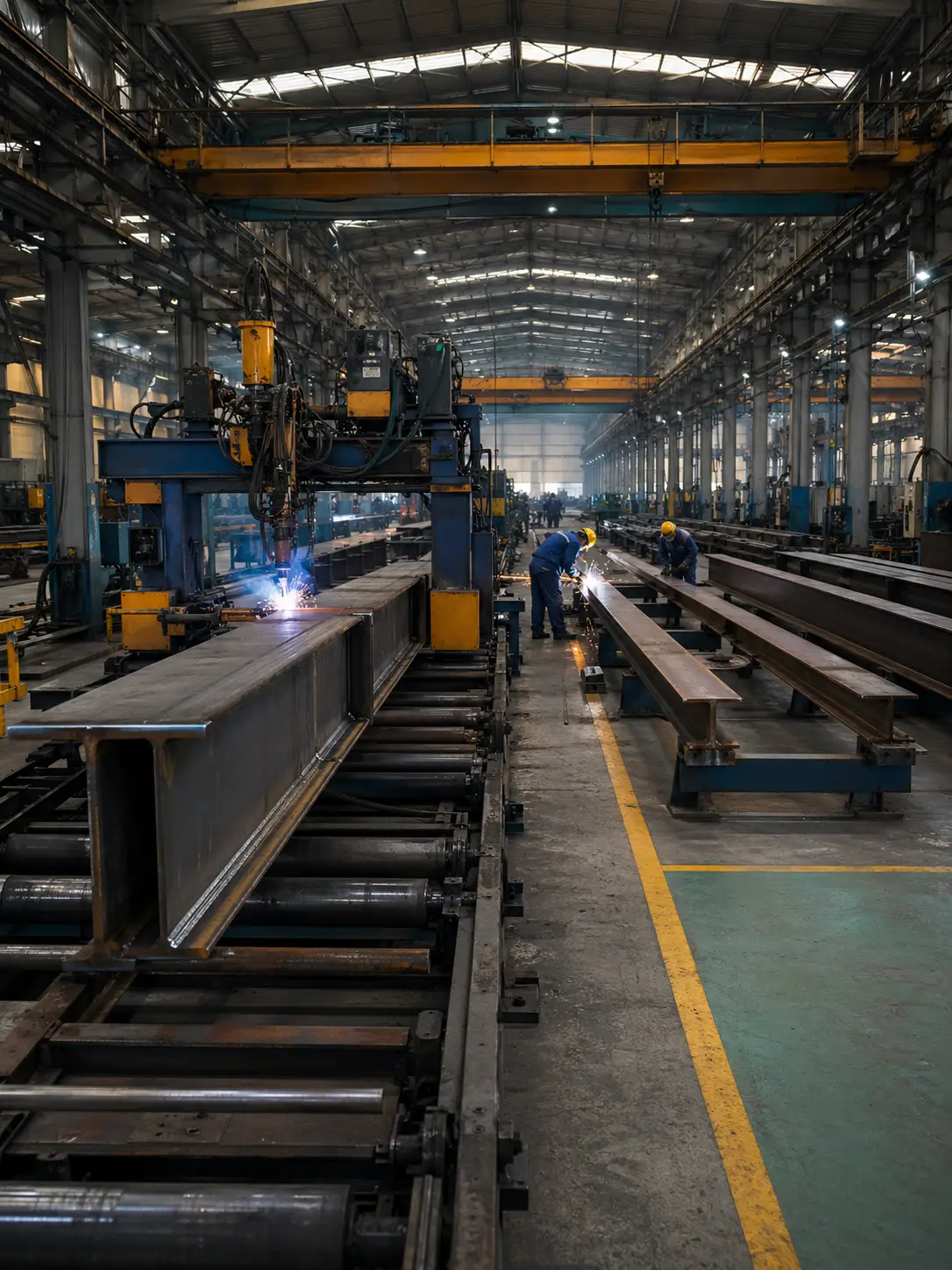
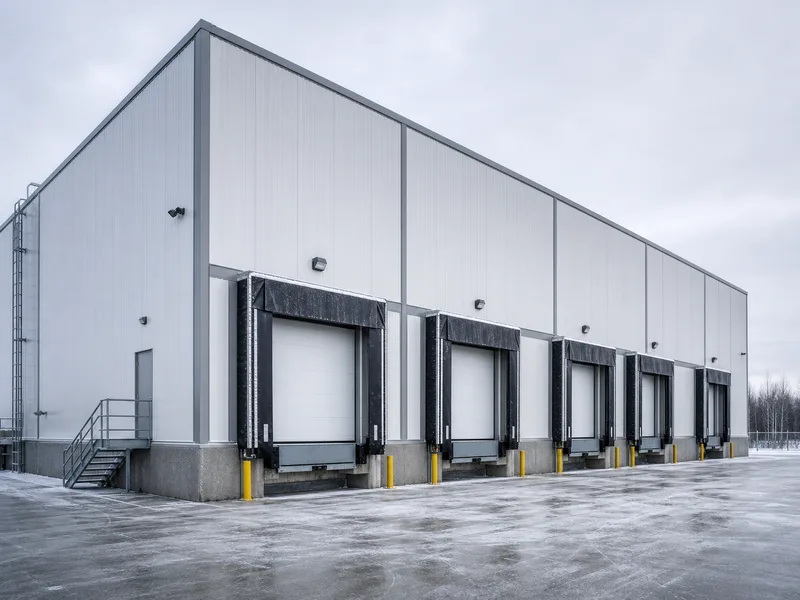
Testing that switch means pricing two things you never see as a tenant: what it costs to build cold storage warehouse construction cost and what it costs to run it once it is yours, since cold storage operating costs replace the rent line with energy, labor, and maintenance. Energy is the part you design against, because how tightly the shell holds temperature, and the metal building insulation behind it, decides how much of that bill you carry. As a steel structure manufacturer, Qingdao KAFA Fabrication builds insulated Steel Cold Storage Buildings sized to a specific racking layout and temperature plan. That is how a recurring per-pallet charge becomes a fixed asset instead of an open-ended line on someone else’s invoice. Teams weighing that move can request a quote against their own pallet count and target temperature.
Conclusion
The figure that matters is not the storage rate on the quote but the all-in cost per pallet once handling, turns, and minimums are folded in. The two drivers that move that number most and stay least certain until you hold a real quote are the temperature you actually need and how often you turn stock; volume and contract length are the levers you control to bring it down. Compare two quotes side by side only after normalizing both to all-in cost per pallet at your real turn rate and temperature. That single adjustment reveals more than any headline rate, and it is the number to carry into any rent-versus-build decision.
FAQ
How much does it cost to store one pallet in cold storage?
A single refrigerated pallet typically runs $18 to $40 a month before handling, with chilled at the low end and deep-freeze above $40. Volume matters more than most accounts expect: a one-pallet customer pays a minimum, not a per-pallet rate, so the headline band only applies once you store enough to clear that floor.
Why does frozen storage cost more than refrigerated?
Frozen and deep-freeze space costs more because holding a room near or below 0°F draws substantially more electricity than a cooler at 35 to 40°F. The premium is often a quarter to half again over chilled and widens where power prices are high, which is why specifying the warmest temperature your product tolerates is the cleanest way to lower the rate.
What fees come on top of the per-pallet storage rate?
Handling, receiving, and account minimums are the charges usually missing from a mental estimate. Each pallet that arrives and ships carries roughly $4 to $8 of handling each way, and receiving adds around $10. Blast freezing, cross-dock, and pick fees apply only when those services are used, so the all-in figure runs well above the storage line.
Are cold storage rates quoted per month or per week?
U.S. refrigerated warehouses almost always quote per pallet per month, while some European and 3PL contracts quote per week. Confirm the billing period before comparing two rates, because a weekly figure that looks cheaper can be more than four times a monthly one.
Is it cheaper to rent cold storage or build your own?
Renting wins for modest or seasonal volumes, and building starts to pay off when you hold thousands of positions year-round for several years. The tipping point is where cumulative rent over your real holding period passes the combined cost to build and operate an owned facility, so model both sides before committing either way.
Further Reading
- USDA NASS Cold Storage report — U.S. Department of Agriculture. Tracks end-of-month stocks held in public and private refrigerated warehouses, useful context for how full the national cold chain is and how that demand presses on available space.
- USDA Capacity of Refrigerated Warehouses — USDA / ESMIS. Reports gross and usable refrigerated capacity split across public, private, and semi-private warehouses, the supply side that sits behind per-pallet rental pricing.
- U.S. Energy Information Administration — Electricity — EIA. Publishes commercial and industrial electricity prices by state, the single largest cost driver behind frozen and deep-freeze rates.