




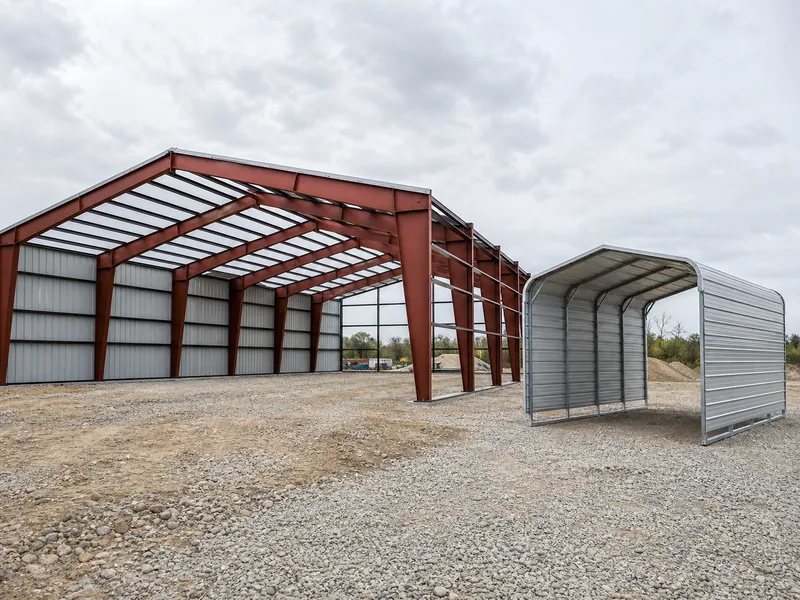
Choosing between a structural steel building and a tubular one is really a choice between two different structural classes, not two price points for the same product. The frame you pick sets the limits on how wide you can span, how the building handles wind and snow load, whether a local building department will permit it, and how much usable space you keep inside. This guide compares the two systems across strength, durability, cost, code compliance, and intended use so you can match the right frame to the job. It does not cover foundation rebar design, insulation methods, or local permit fees, which depend on your site and jurisdiction.
The comparison should include metal building components because purlins, girts, bracing, connections, and panels affect how each frame system performs.
What Sets Structural Steel and Tubular Frames Apart
Structural steel and tubular systems carry load in fundamentally different ways, which is why they suit different buildings. This red iron vs tube steel comparison looks at two specific classes: hot-rolled, rigid red iron frames on one side, and light-gauge tubular kit buildings on the other. Engineered tubular or HSS frames designed to project-specific loads are a separate case and should be verified against the governing code on their own merits.
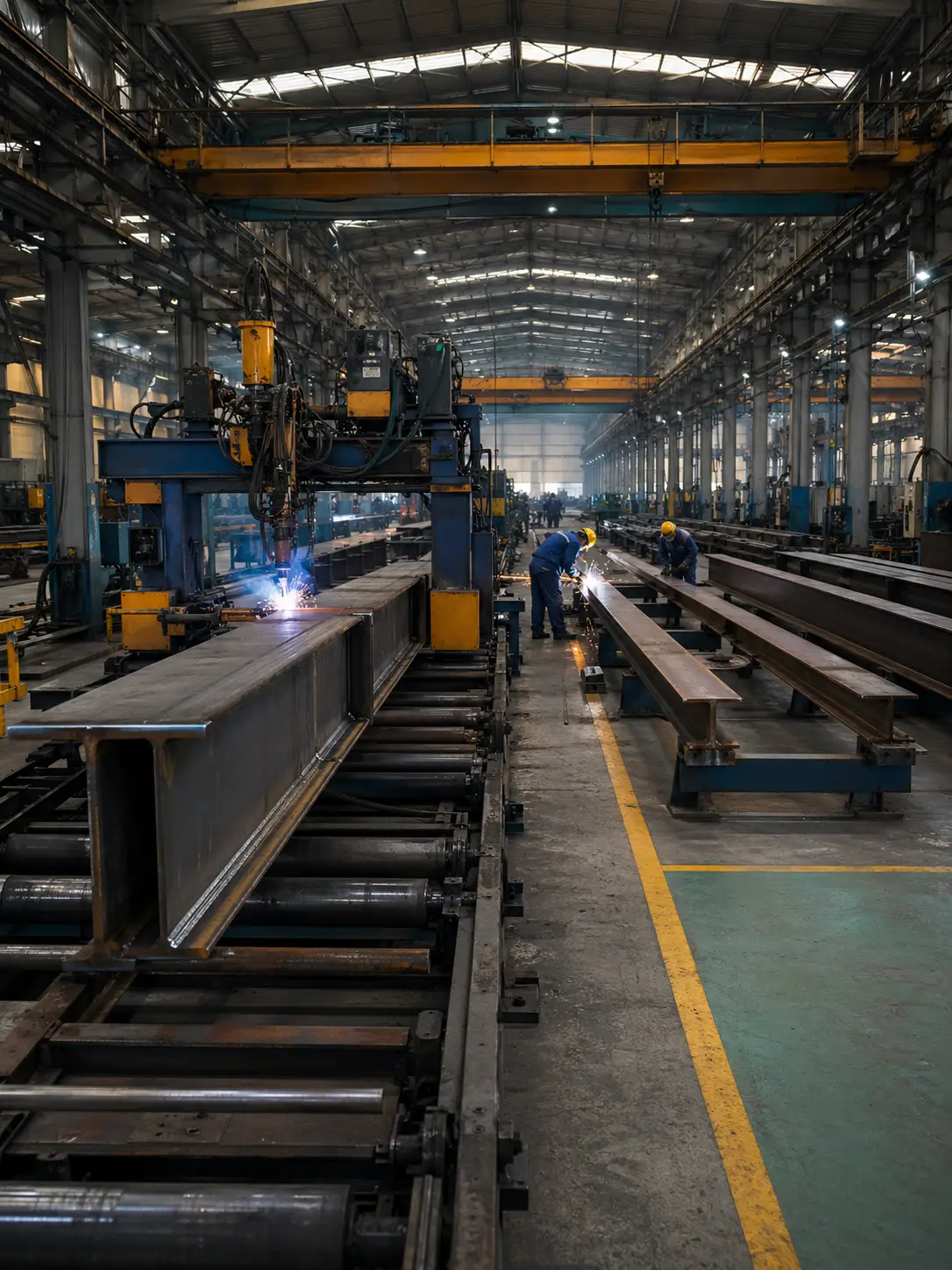
A structural steel building, often called a red iron building, uses hot-rolled I-shaped members: the solid, web-and-flange beams and columns that form a rigid frame. These members are heavy, weldable, and engineered to carry large roof spans and concentrated loads. Builders sometimes describe them by the grade of steel involved, commonly A36 or A992, the same hot-rolled grades used across heavy steel frame construction.
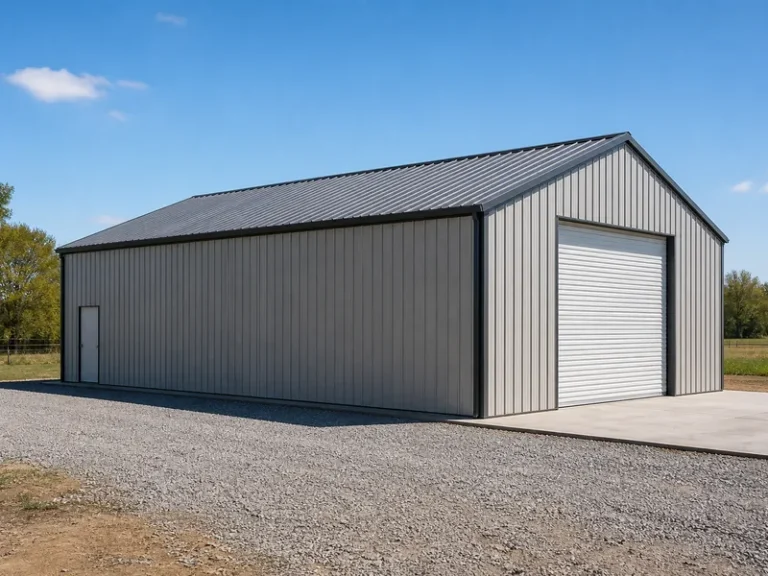
A tubular building, in the sense most buyers shop for, is framed from hollow square or rectangular steel tube, usually galvanized and commonly in the 12- to 14-gauge range. Tube is light, easy to bolt together, and well suited to carports, sheds, small garages, and other light structures that ship as a kit. The hollow section keeps weight and price down, but it also carries less load per member than a solid rolled beam.
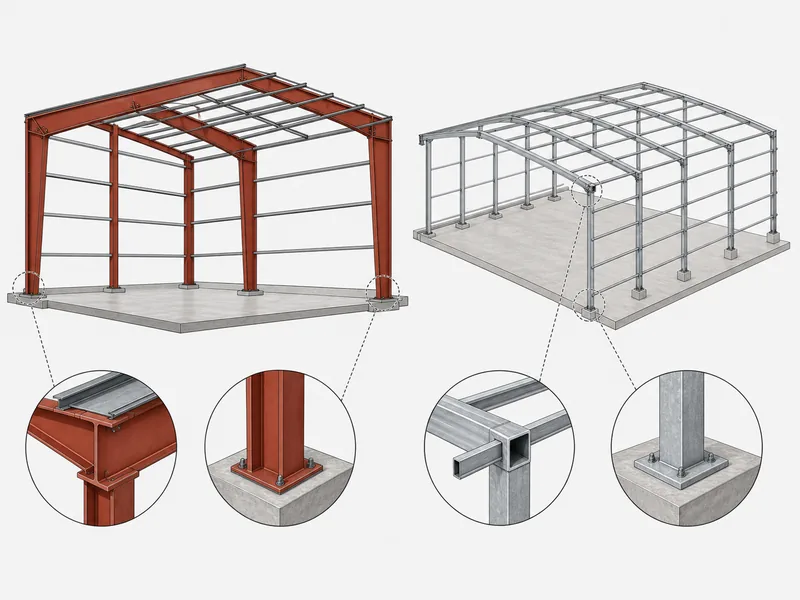
The common mistake is to treat tubular as a smaller, cheaper version of the same building. It is not. A rigid steel frame and a light tube frame are different structural classes with different span limits, different code paths, and different service expectations. Picking on price alone is where buyers get into trouble, because the cheaper frame may not legally or physically do the job they had in mind.
Frame Strength, Clear Span, and Usable Space
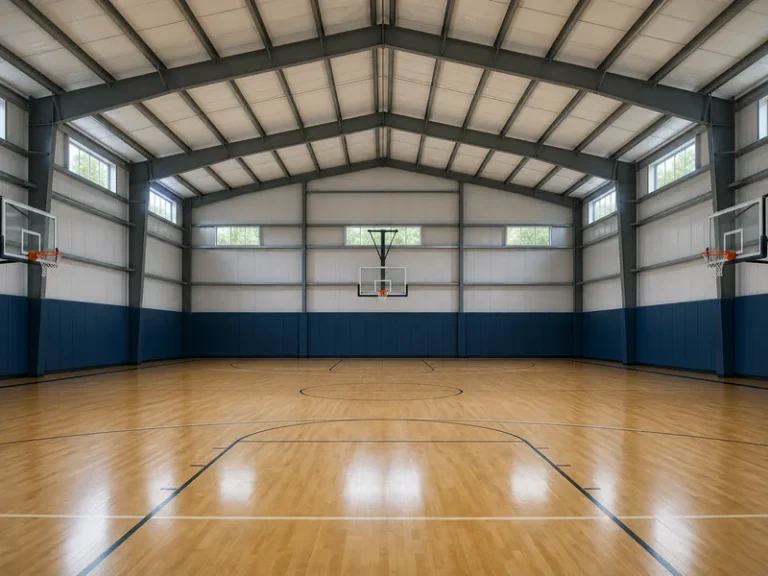
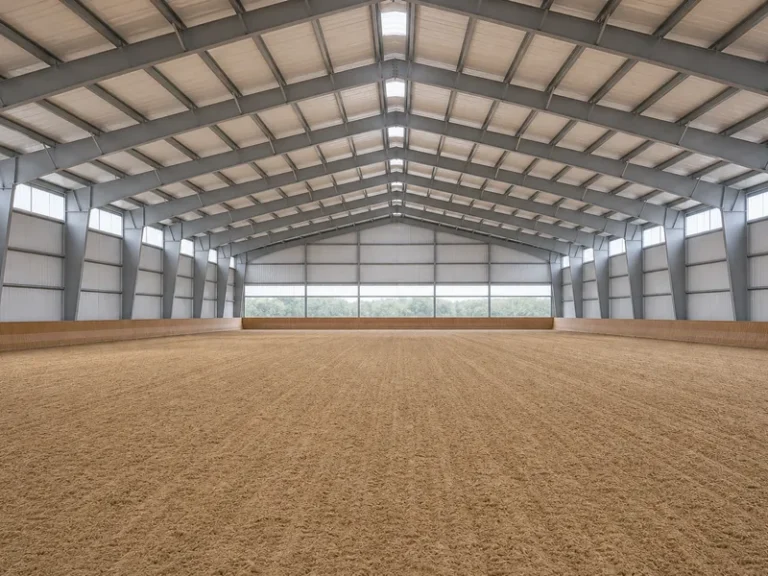
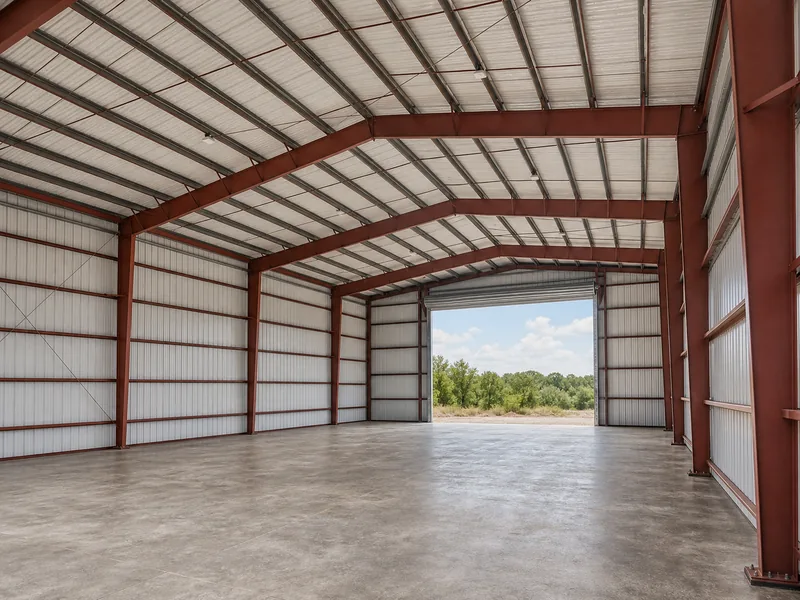
Frame strength decides how far a building can span without interior columns, and that single factor often settles the choice between the two systems. Structural steel carries the advantage wherever width, height, or open interior space matters. A rigid red iron frame can clear-span wide buildings without midspan posts, which is why warehouses, churches, riding arenas, and large workshops are almost always framed in structural steel. The exact span a frame can reach depends on the engineered design, the loads it must carry, and the member sizes, so treat any single “maximum width” figure as design-dependent rather than a fixed rule.
Tubular frames reach their limits much sooner. To keep a light tube building standing under load, the design usually leans on more frequent interior posts. Those posts eat into the floor plan. They complicate where you can place a roll-up door, a window, or a future mezzanine, and they cap how wide a clear bay you can get. For a carport or a backyard shop that tradeoff barely registers. For a building meant to hold equipment, vehicles, or open work areas, it is often the deciding constraint.
Durability, Corrosion, and Service Life
Service life depends less on the word “steel” than on how the frame resists corrosion over decades in a specific climate. A structural steel frame, properly primed or coated and maintained, commonly lasts well beyond 40 years, with some manufacturers citing 50 or more under good conditions. Tube frames, typically galvanized for corrosion resistance, more often fall in a 15- to 30-year range depending on coating quality, environment, and upkeep. Neither figure is a guarantee, and both move with maintenance and exposure.
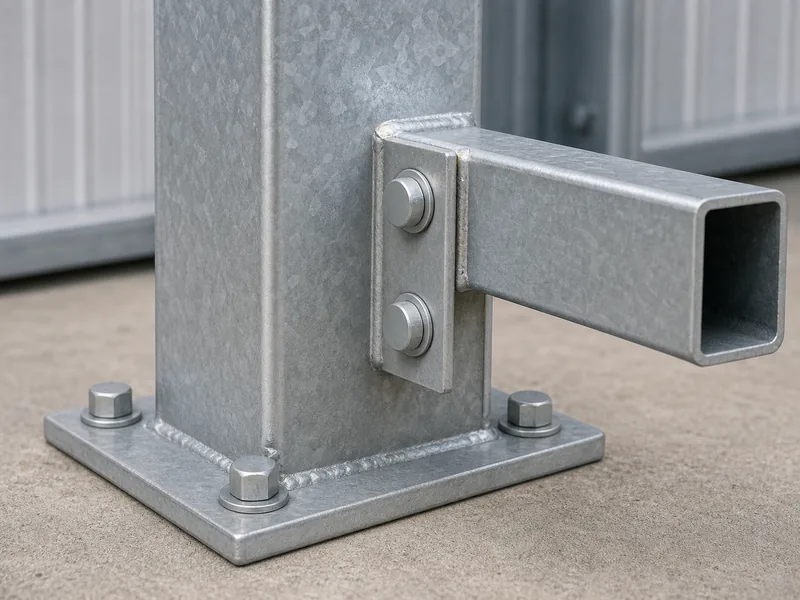
Corrosion is where the real difference shows up, and it rarely starts where people look. In humid or coastal air, the first places to inspect are fasteners, bolted connections, and base plates, not the broad faces of the members. Galvanized tube resists surface rust well, but cut ends, drilled holes, and scratched coatings are vulnerable points that need attention. A red iron frame depends on its paint or primer system, so touching up damage during and after erection is a practical step that protects the longer service life you paid for. For a fuller picture of why structural steel holds up over time, the broader benefits of steel buildings extend to fire behavior and recyclability as well.
Cost and Where the Money Actually Goes
Cost comparisons only help if you separate the frame price from the variables that actually move it. Tubular systems are cheaper to buy and faster to put up, which is their main appeal. Light tube kits for small garages often run in the low thousands of dollars, and many are marketed as bolt-together kits for simpler assembly, at least for the smaller sizes where the supplier’s instructions and local rules allow it. Structural steel runs higher: industry figures for installed structural steel commonly land in the range of roughly $10 to $25 per square foot, with heavily engineered or specialized configurations going above that. Those numbers shift with building size, wall and roof configuration, region, snow and wind loads, labor, and foundation work, so a per-square-foot quote means little until those variables are fixed.
The scale of the project changes the math. For small footprints, tube is the budget option. As a building gets larger, the cost gap narrows, and past a certain size the efficiency of a rigid frame can make structural steel competitive or even cheaper per square foot, because one engineered frame replaces a dense grid of posts. Buyers comparing complete metal building packages should price the whole system, including frame, foundation, and erection, rather than the bare frame, since the cheaper frame can carry higher site and labor costs.
Code Compliance and Permitting
Code compliance, not price, is the constraint that often rules out a tubular building before the buyer expects it. Permanent buildings have to satisfy structural loads and local permitting, and that is where the two systems diverge sharply. Structural loads such as wind and snow are governed in the United States by standards like ASCE 7, while the International Building Code (IBC) and the local authority having jurisdiction (AHJ) set permitting and structural safety requirements. Outside the United States, the equivalent local load standard and permitting authority apply in the same way. Structural steel is routinely engineered and stamped to those loads for a specific site, which is what lets it pass plan review for occupied and commercial buildings.
Tubular kits are a mixed picture. Many light tube buildings are sold without site-specific engineering, and some are not built to meet defined load limits or local codes. That may be acceptable only where local rules allow an unpermitted accessory structure, and even then it should be checked against wind exposure, anchoring, and site requirements. It becomes a real problem the moment a permit, a slab, or an occupancy use is involved. Before choosing tubular, confirm two things: whether your AHJ requires stamped, engineered drawings, and whether the kit can be certified to your local wind and snow loads. If the answer to either is no for a building that needs a permit, the decision is already made.
Matching the System to Your Building’s Use
Use case is the cleanest way to decide, because each system has a band of jobs it does well and a point where it stops making sense. The table below maps the two systems against the variables that drive the decision and the question to settle for each one. Read it against your own building’s width, load, permit status, and budget rather than as a verdict on which frame is “better.”
| Decision variable | Structural steel (red iron) | Tubular (tube steel) | Verify before choosing |
|---|---|---|---|
| Frame & members | Solid hot-rolled I-beams, rigid frame | Hollow galvanized square/rectangular tube, ~12–14 ga | Ask which member type and gauge the quote is based on |
| Clear span / open interior | Wide spans, few or no interior posts | Narrower; usually needs more interior posts | Confirm the clear width you need and where posts would land |
| Typical good-fit uses | Warehouses, workshops, churches, arenas, commercial | Carports, sheds, small garages, light storage | Match the frame to your actual use and occupancy |
| Relative upfront cost | Higher; competitive at larger sizes | Lower, especially for small kits | Price the whole system, not the bare frame |
| Service life (maintained) | Often 40+ years | Roughly 15–30 years | Ask about the coating system and maintenance needs |
| Code & permit fit | Routinely engineered and stamped to local loads | Often not; verify before permitting | If a permit is required, ask for stamped drawings and design loads |
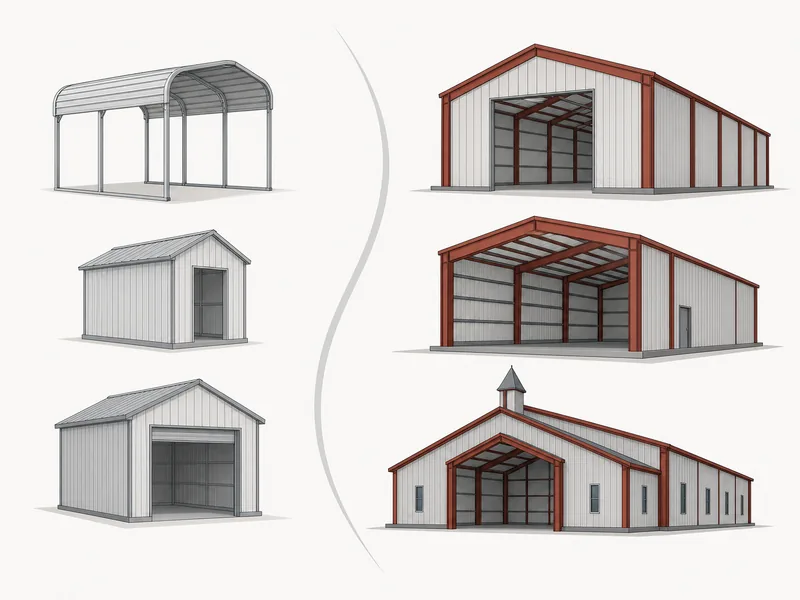
For a backyard carport, a light storage shed, or a small farm building with no occupancy load, a tubular kit usually wins on price and speed. For an equipment bay with wide roll-up doors, a workshop, a barn, or a commercial space that has to pass plan review, those needs usually shift the decision toward an engineered structural steel system, or another frame that can be certified to the required loads. Lighter cold-formed options, including cold-rolled steel framing, sit between the two for some mid-size jobs, but they follow the same rule: match the frame to the load and the code, not to the sticker price.
Conclusion
The choice between steel and tubular depends on whether your building has to clear-span, carry real load, or pass a permit. If it is small, unpermitted, and light-duty, a tubular frame is usually enough and saves money. If it has to span wide, hold equipment or vehicles, survive decades, or pass plan review, those demands usually point to an engineered structural steel system. The order that keeps buyers out of trouble is to fix the loads and the permit path first, confirming your wind and snow loads and what your AHJ requires, and only then choose the frame that can be engineered to meet them. Sizing the frame before knowing the loads is how a cheaper building turns into a rebuild.
A supplier that runs both heavy and light steel lines can match the frame to that verification instead of a catalog. KAFA designs, fabricates, and installs light and heavy steel structures on dedicated H-beam, box-section, and C/Z purlin lines, which lets one source engineer a rigid structural frame for a permitted warehouse or a lighter framing package for a smaller building. ISO 9001:2015 sits behind that as the quality-management system, not as a structural-engineering approval. To get a useful comparison, have your intended use, clear-span width, door and opening layout, local wind and snow loads, and permit status ready before you ask for a quote.
Frequently Asked Questions
Is a tubular steel building strong enough for a workshop or garage?
A tubular building can work for a light, small garage or shop, but it reaches its limits as width, load, and permit requirements grow. The frequent interior posts that keep a tube frame standing also limit clear width and complicate door and equipment placement, so a working shop that needs open floor area or a permit is usually better in structural steel.
How long does a tubular building last compared to red iron steel?
Tubular buildings typically last in the range of 15 to 30 years, while a maintained structural steel frame commonly exceeds 40 years. The gap depends on member mass and corrosion protection: galvanized tube resists surface rust but is vulnerable at cut ends and fasteners, while a properly coated red iron frame can be maintained for decades.
Can a tubular building be permitted to local building codes?
Some can and many cannot, which is why permitting has to be checked before purchase. Many light tube kits ship without site-specific engineering and are not certified to local wind and snow loads, so confirm with your authority having jurisdiction whether stamped drawings are required and whether the kit can meet your loads. Ask the supplier for the stamped drawings and the design loads printed on the quote or submittal package before you buy.
Is structural steel worth the higher upfront cost?
Structural steel is worth the premium when the building has to span wide, carry heavy or concentrated loads, pass plan review, or last for decades. For a small, unpermitted, light-duty structure, that extra capacity is money spent on strength you will not use, and a tubular kit is the more sensible buy.
Which system is cheaper for a large building?
Tubular is cheaper for small footprints, but the advantage shrinks as buildings get larger. Past a certain size, a single engineered steel frame can be more cost-effective per square foot than a dense grid of tube posts, so for large buildings structural steel is often competitive or cheaper once the whole system is priced.