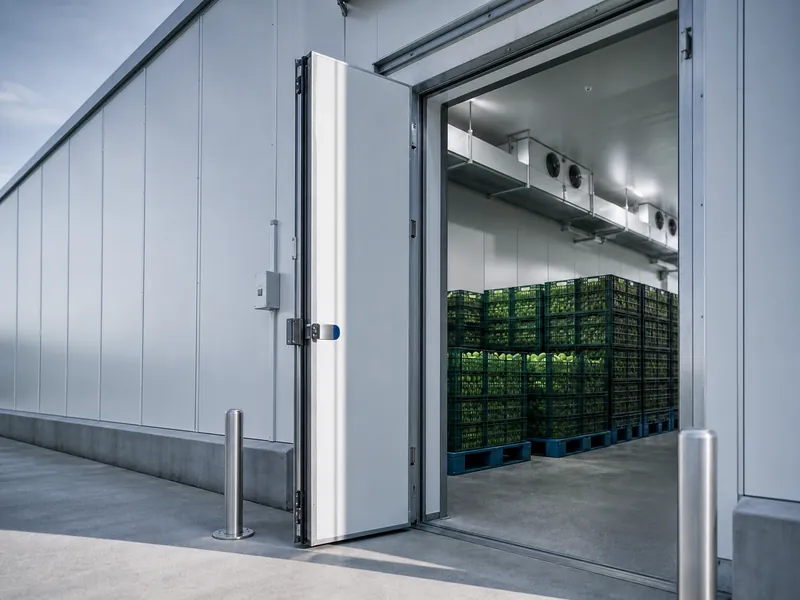
CA storage, short for controlled atmosphere storage, is a way of holding fresh produce in a sealed, refrigerated room where the air itself is adjusted. Oxygen is pulled down, carbon dioxide is held at a set level, and nitrogen makes up the difference. Temperature and humidity are still controlled the way they are in any cold room, but the gas mix is the part that defines CA. By slowing how fast fruit breathes and ripens, a well-run CA room can keep apples, pears, and kiwifruit close to harvest condition for the better part of a year, several times longer than plain refrigeration manages.
Two quick clarifications, because the abbreviation gets mixed up. CA means controlled atmosphere, not controlled ambient, which is a different idea built around temperature and humidity for goods that do not need refrigeration at all. It is also not modified atmosphere packaging, where the gas mix sits inside a sealed bag or tray instead of a whole room. The rest of this article stays with controlled atmosphere: what it changes, what a CA room has to be built to do, and where it stops being worth the cost.
How controlled atmosphere slows produce down
Controlled atmosphere works by changing the gas around the produce so the fruit respires more slowly and ripens later. Fresh fruit keeps breathing after harvest, taking in oxygen and giving off carbon dioxide, and that respiration is what burns through its stored sugars and softens its flesh. Lower the oxygen and the whole process throttles back.
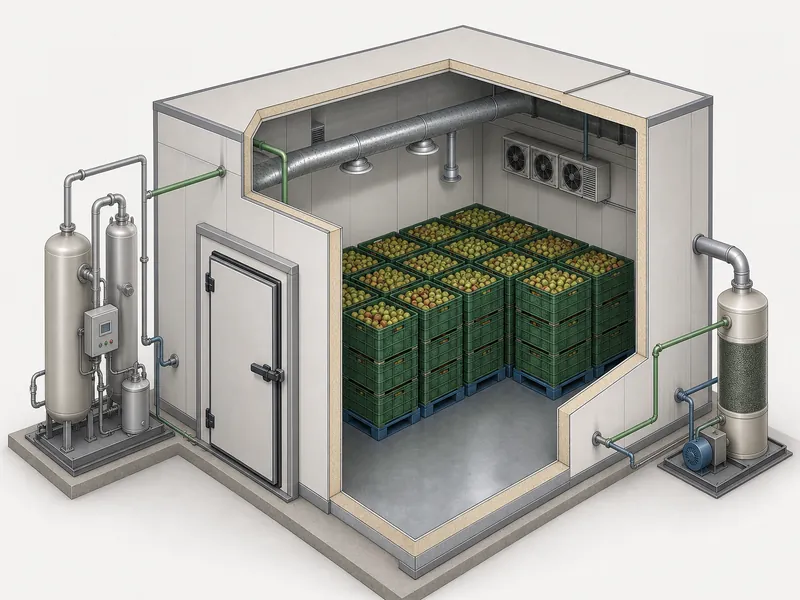
In practice, oxygen is brought down from the roughly 21% found in normal air to somewhere around 1% to 3%, with the exact target depending on the crop and the variety. Carbon dioxide moves the other way, rising from the trace 0.04% in air to a controlled band that often falls between about 0.5% and 5%, again variety by variety. Nitrogen, which is inert, makes up most of the remaining volume. The lower oxygen also slows the fruit’s own production of ethylene, the ripening hormone, which acts as a second brake on softening. Humidity is held high through all of this, often around 90% to 95%, so the slowed-down fruit does not lose moisture and shrivel over a hold that can run for months.
There is a floor to how far oxygen can drop. Below roughly 1%, many fruits switch to fermentation and produce off-flavors and tissue damage instead of simply resting. That floor is why CA rooms run against continuous gas readings rather than a single setting; the target is a narrow window, not just “as low as possible.”
CA storage vs an ordinary cold store
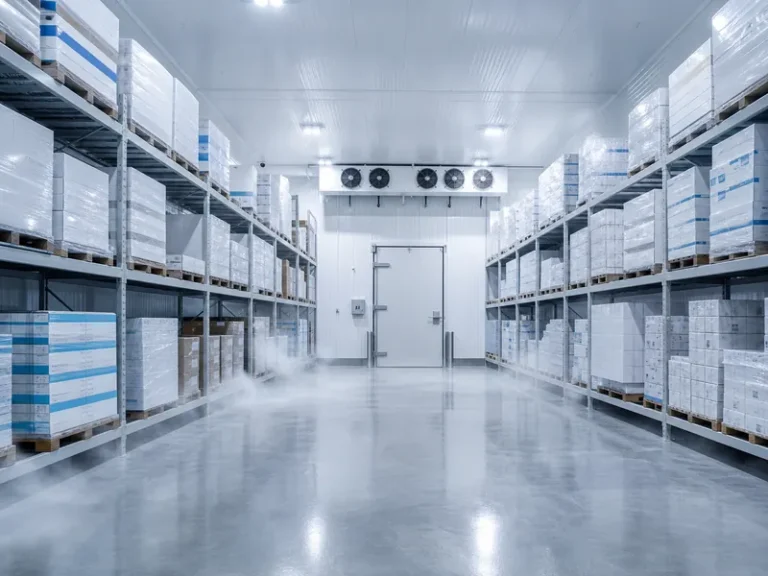
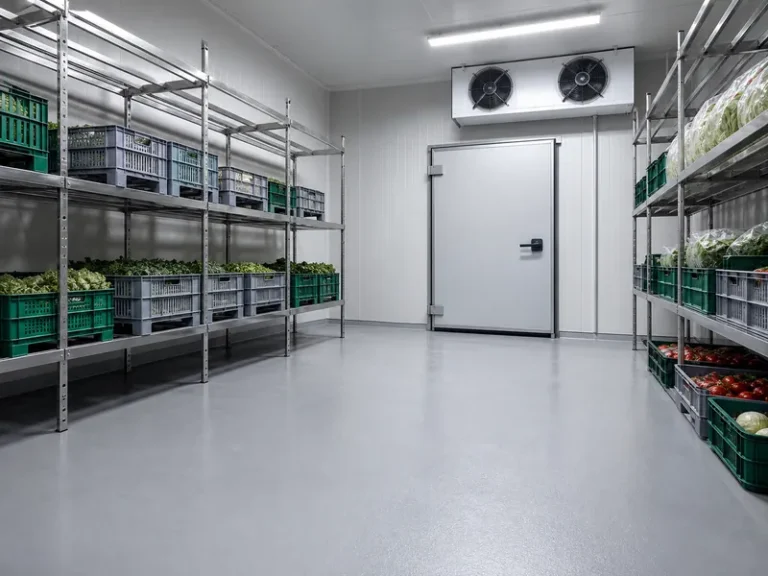
The difference between CA storage and an ordinary cold store is sealing and active gas control, not temperature. A standard cold storage building holds produce at a set temperature and humidity, and that alone slows spoilage. CA begins from that same refrigerated box and adds two demands: the room has to be gas-tight enough to hold an artificial atmosphere, and it needs equipment that keeps trimming oxygen and carbon dioxide as the fruit goes on respiring.
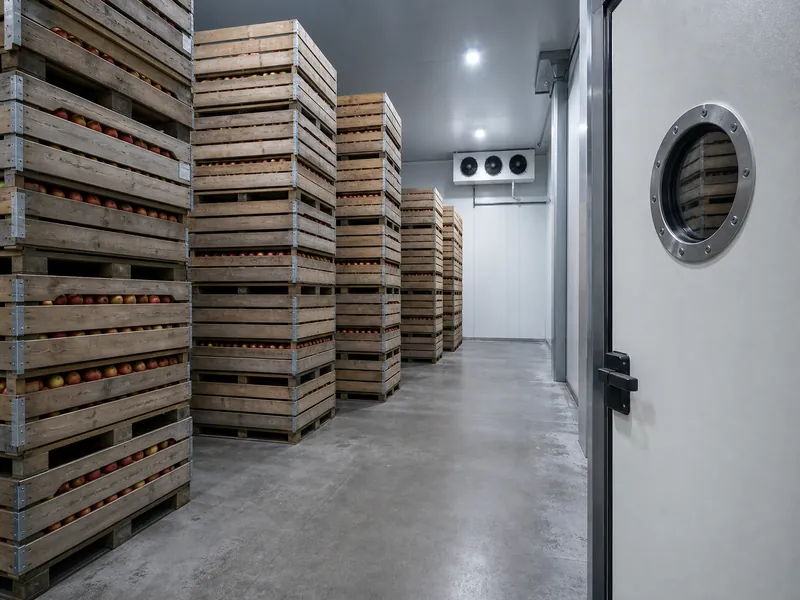
That extra control buys time. Produce that lasts two to four months in plain refrigeration can often be held two to four times longer under controlled atmosphere. Apples are the clearest case, commonly stored eight to twelve months in CA against a few months in a regular cold room. The numbers shift with crop, variety, and how closely the setpoints are managed, so treat them as a guide rather than a promise.
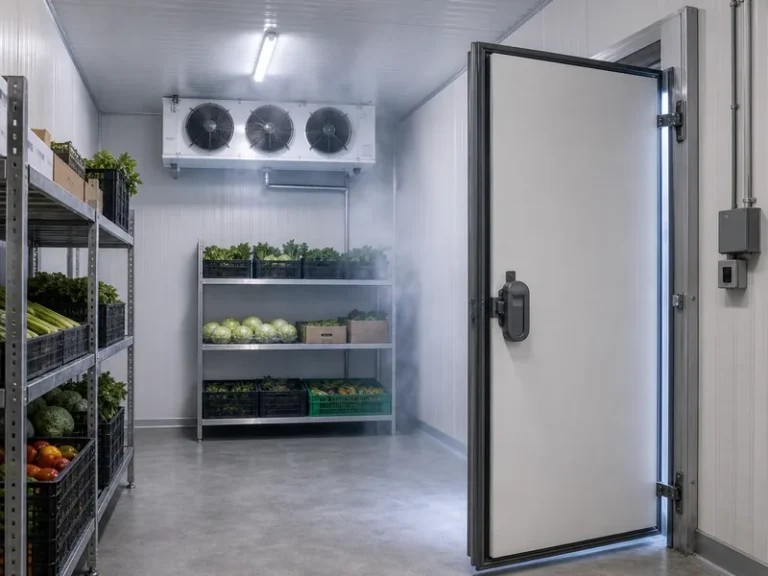
The catch is that a CA room runs sealed. Once the atmosphere is pulled down, the room stays closed for the storage season, because opening it floods the space with normal air and the fruit starts ripening again within hours. An industrial refrigerated warehouse can be entered and worked in every day; a CA room behaves more like a sealed vessel that is opened when the fruit is ready to move.
What a CA room is built and equipped to do
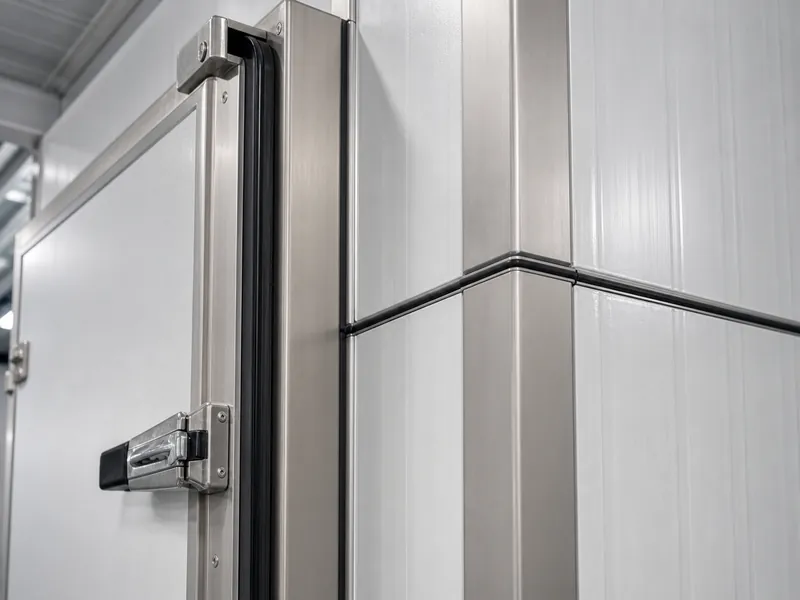
Building a CA room means meeting an air-tightness standard that an ordinary cold store never has to. The envelope is usually built from insulated sandwich panels that carry the cold load, but every joint, penetration, and door then has to be sealed so the room can hold its gas mix against leakage. A continuous layer of metal building insulation keeps the refrigeration efficient; the gas-tight detailing laid over it is what separates a CA room from a regular insulated box.
Inside, three pieces of equipment do the atmospheric work. A nitrogen generator, typically a pressure-swing adsorption unit producing roughly 95% to 99% pure nitrogen, floods the room to displace oxygen quickly at the start of the season. A carbon dioxide scrubber, using activated carbon, molecular sieves, or in older setups absorbent lime, pulls off the CO2 the fruit keeps generating so it does not climb past the target. A gas analyzer samples the room continuously and signals the system when to correct.
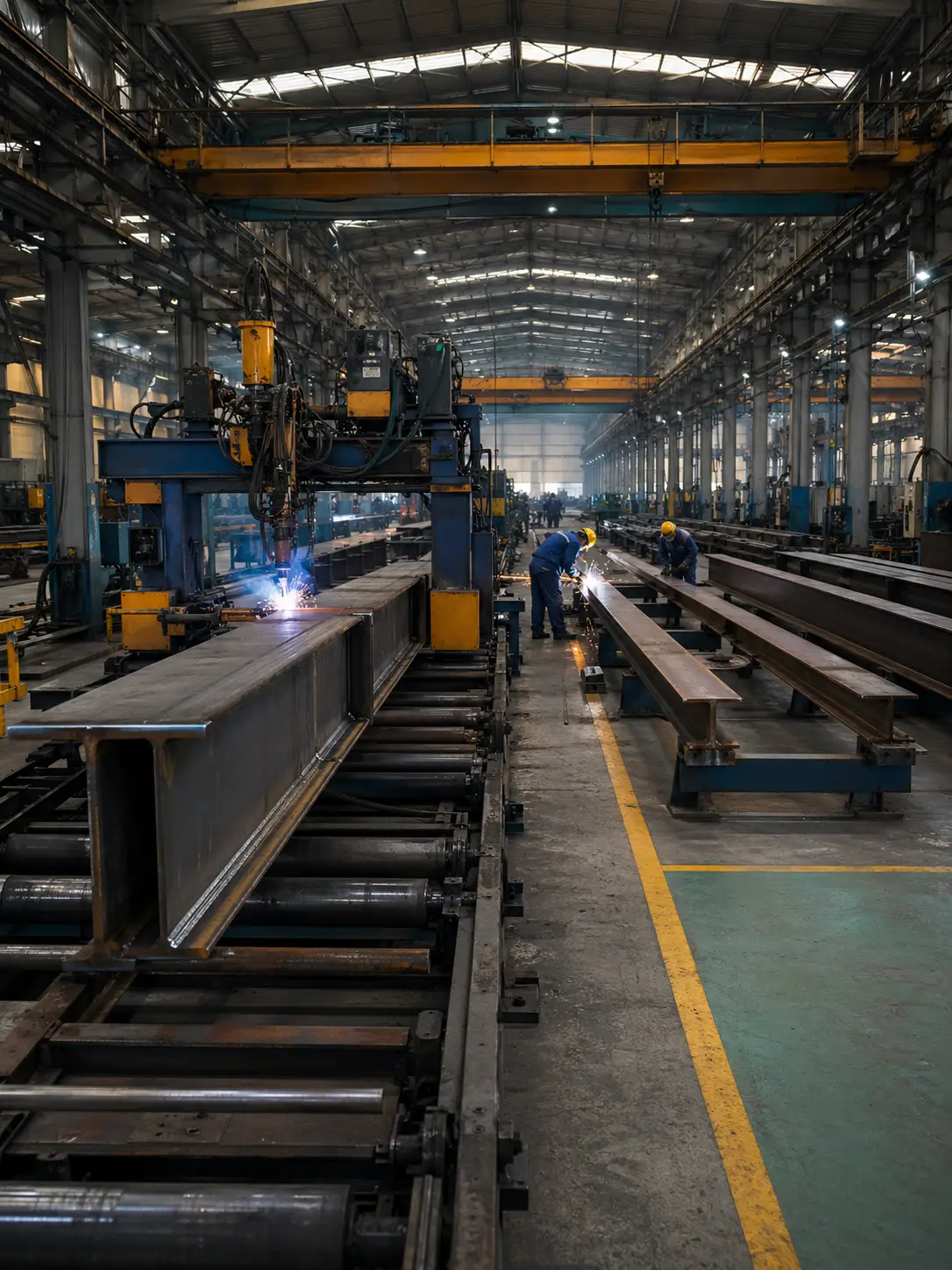
KAFA fabricates the steel-framed, insulated envelopes that cold storage and CA rooms are built inside, with the panel, sealing, and door detailing an air-tight room depends on. The structural shell and its gas-tightness are a building problem; the generators and scrubbers are added by the refrigeration and CA specialists who commission the room. Both have to be right, because a leaky envelope makes the gas equipment fight the building all season.
Which crops actually go into CA storage
Controlled atmosphere pays off mainly for crops that store for months and respond well to low oxygen, which is a shorter list than it first sounds. Apples, pears, and kiwifruit are the classic CA crops, the ones the technology was scaled up around, because they hold for a long season and ripen predictably once the gas is returned to normal. Alongside them, CA is also used for cabbage, onions, some berries, avocados, and citrus, where a long, steady hold returns the cost.
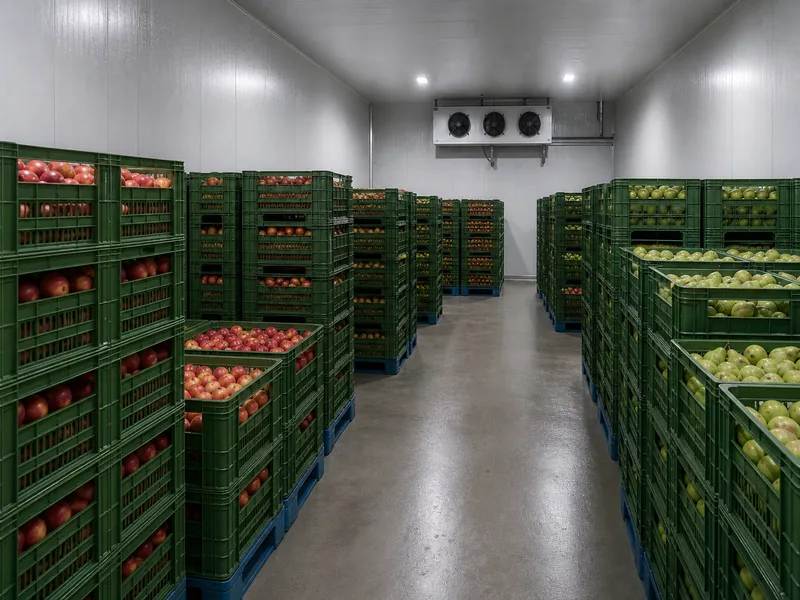
Plenty of produce does not belong in CA. Fast-moving items that turn over in days, or crops that suffer at the low oxygen levels CA needs, gain little, and most vegetable cold storage runs as straightforward refrigeration for exactly that reason. Each crop also carries its own setpoints, so a room tuned for one apple variety is not simply reused for pears without changing the targets.
For an operator, the practical question is volume against time. CA is worth the sealing and gas equipment when a large, uniform crop has to be released gradually over many months. For mixed loads or quick turnover, ordinary cold storage facilities do the job without the sealing and gas hardware.
The limits and trade-offs of CA storage
Controlled atmosphere extends storage life, but it does not replace good temperature control or rescue fruit that arrives already past its prime. The cold chain still does the heavy lifting; CA layers on top of correct temperature and humidity, and it only works on sound produce picked at the right maturity. Poor fruit going in still comes out poor, just later.
The gas window itself carries risk. Hold oxygen too low, or store fruit too long, and you can trigger low-oxygen disorders, internal browning, and flat or fermented flavors. Those are storage disorders that appear at the wrong gas levels, which is why setpoints stay conservative and monitored rather than pushed to extremes.
Then there is cost. A CA room needs the air-tight construction, the nitrogen and scrubbing equipment, and the monitoring to run all season, so both the build and the running cost more than plain refrigeration. This article does not cover specific price ranges or per-variety setpoint tables; both depend on the crop, the region, and the volume, and they belong in a project-specific design rather than a definition.
Conclusion
Whether CA storage is the right move starts with the crop, not the building. If you are holding apples, pears, kiwifruit, or another long-storing crop that has to ship over many months, controlled atmosphere can multiply the time you have to sell it. If you are turning over mixed or fast-moving produce, a sealed CA room is cost and complexity you will not earn back. Settle that question first, then decide whether to build the gas-tight, insulated envelope and add the generators and scrubbers that turn a cold room into a controlled-atmosphere one.
FAQ
Is CA storage the same as a regular cold room?
No. A regular cold room controls temperature and humidity, while CA storage adds a gas-tight seal and equipment that lowers oxygen and manages carbon dioxide on top of refrigeration. The result holds produce several times longer but has to stay sealed through the storage season.
What oxygen and carbon dioxide levels are used in CA storage?
Oxygen is usually brought down to roughly 1% to 3% from the 21% in normal air, and carbon dioxide is held in a band that often runs about 0.5% to 5%, both depending on the crop and variety. The targets are managed against continuous gas readings, because oxygen below about 1% risks fermentation.
Is “CA” the same as controlled ambient storage?
No. CA stands for controlled atmosphere, meaning the oxygen, carbon dioxide, and nitrogen in the room are actively managed, whereas controlled ambient storage is about holding temperature and humidity for goods that do not need refrigeration. The two share a naming pattern but solve different problems.
Is CA storage the same as modified atmosphere packaging?
No. CA storage manages the atmosphere of an entire sealed room and corrects it continuously, while modified atmosphere packaging sets a gas mix inside a bag or tray and lets it drift. CA suits long-term bulk storage, and packaging suits retail and transport units.
How much longer does CA storage keep produce?
CA storage commonly extends storage life by two to four times compared with plain refrigeration, with apples often held eight to twelve months against a few months in a regular cold room. The actual gain depends on the crop, the variety, and how tightly the setpoints are held.
Can people go inside a sealed CA room during storage?
Not during normal operation. A CA room runs at oxygen levels far too low to breathe safely, so it stays sealed and is entered only under strict low-oxygen entry procedures or after the atmosphere is restored. Opening it also lets in normal air and restarts ripening, so access is kept to a minimum.
Further Reading
- University of Maine Cooperative Extension — Controlled Atmosphere Storage — University extension service. Sets out the variety-specific oxygen and carbon dioxide targets and the nitrogen-flushing method behind the gas levels described here.
- Michigan State University Extension — Controlled Atmosphere Storage of Apples — University extension service. Explains how lowering oxygen and raising carbon dioxide slows ripening and ethylene production, supporting the mechanism section.
- University of Maryland Extension — Controlled Atmosphere Storage of Apples — University extension service. Documents the carbon dioxide scrubbing methods and apple storage targets behind the equipment section.