




Cold storage facilities are used to keep temperature-sensitive goods—mostly food, pharmaceuticals, and other perishables—at controlled low temperatures that slow spoilage and hold quality from production to the point of sale. They sit at the cold links of a supply chain, between growers, processors, distributors, and retailers, holding product in a set temperature band until it moves on. This article walks through what those facilities store, the temperature classes behind each use, and how the buildings themselves are configured to serve them. It does not work through line-item construction costs or refrigeration equipment selection, which are separate subjects.
What Counts as a Cold Storage Facility
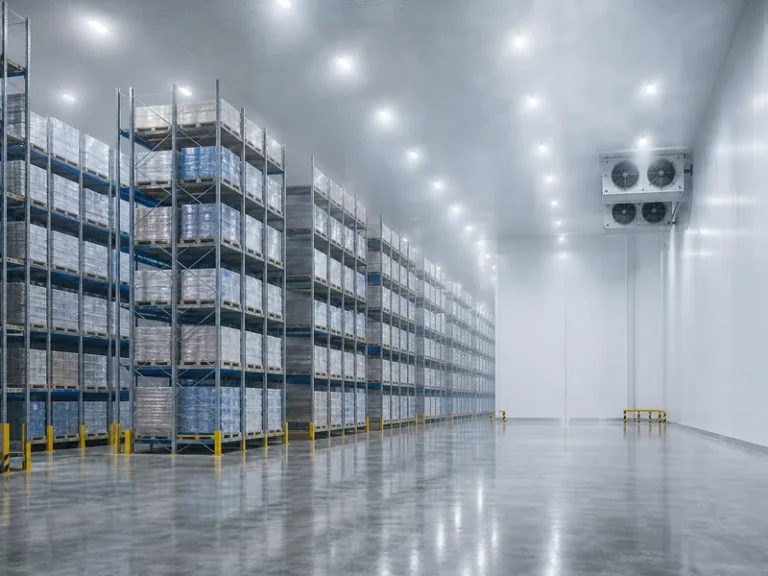
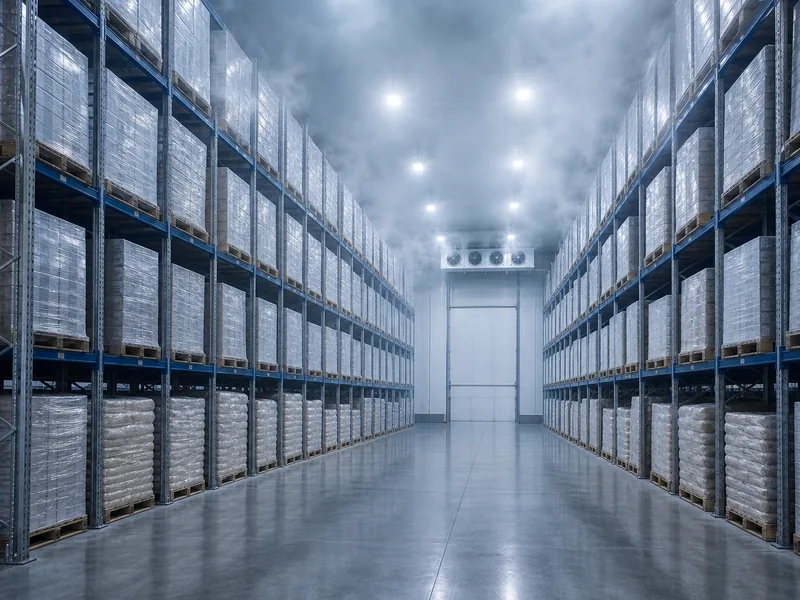
A cold storage facility is an insulated, temperature-controlled building or room that holds goods below ambient temperature using a mechanical refrigeration system rather than simple ventilation. The category spans a wide range of scale, from a single walk-in cold room behind a restaurant to a multi-temperature distribution center moving thousands of pallets a day.
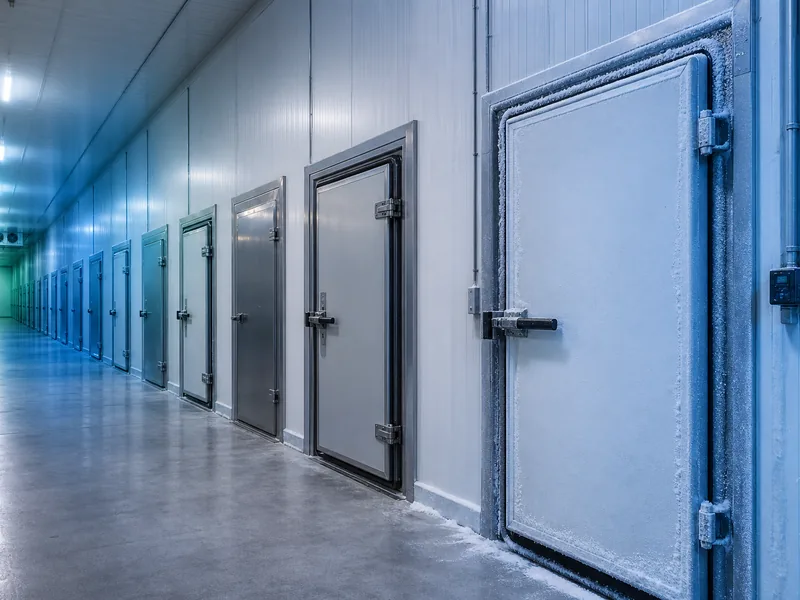
What separates a true cold store from a room with an air conditioner is the building envelope and the controls around it: continuous insulation, a sealed vapor barrier, refrigeration sized to the load, and monitoring that records temperature over time. One detail that trips up first-time operators is humidity and air leakage. Warm, humid outside air that slips through a gap in the envelope will condense and freeze inside the structure, and that creeping ice slowly degrades insulation, door seals, and racking. A facility is judged as much on how well it keeps that air out as on how cold it can get. Most operations also log temperature continuously and tie the record to inventory, both to prove the cold chain held and to catch a failing zone before product is lost.
What Cold Storage Facilities Are Used For
Cold storage facilities are used across any industry where a product loses safety or value once it warms up—led by food and beverage, followed by pharmaceuticals, floriculture, and a long tail of specialty goods. The use cases differ less in concept than in how tight and how low the temperature has to be. Functionally, one site can play two roles: long-term preservation that extends shelf life for weeks or months, and short-term cold-chain staging that simply holds product at temperature while it moves between processors, trucks, and stores. Both are cold storage, but the split decides how much of the building goes to dense racking versus dock and aisle space.
Food and Beverage
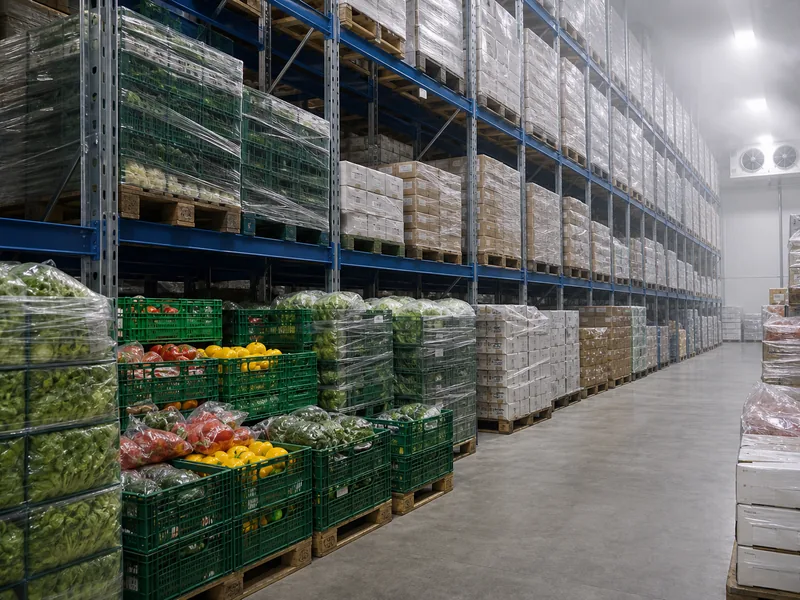
Food and beverage is the largest use of cold storage, covering everything from fresh produce held just above freezing to ice cream kept far below it. Typical goods include fresh fruit and vegetables, dairy, eggs, fresh and frozen meat, seafood, frozen prepared meals, and bakery items. Processors use blast freezers to drop product temperature fast at the start of the chain; distributors and 3PLs hold and stage it; retailers draw from it. Produce adds a wrinkle most people miss: it often needs controlled humidity as much as cold, because leafy greens wilt in air that is too dry and rot in air that is too damp.
Pharmaceuticals and Healthcare
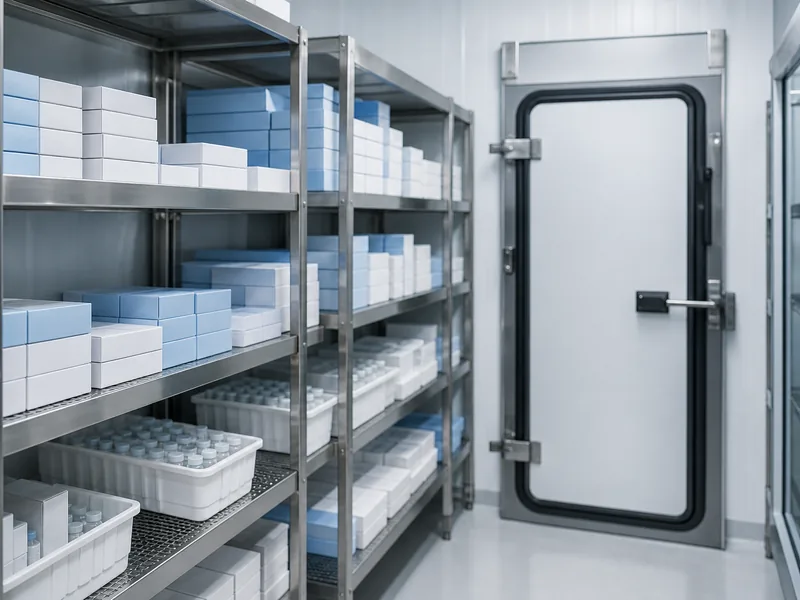
Pharmaceutical and healthcare cold storage protects products whose efficacy collapses outside a narrow temperature band, such as vaccines, biologics, blood products, and many common medications. A large share of these run in a refrigerated band of 36–46°F (2–8°C), while certain biologics and specialty drugs need ultra-low temperatures well below that. The tolerance here is far tighter than in food: a short temperature excursion can force an operator to document and often discard an entire batch. That risk is why the sector leans heavily on continuous monitoring and Good Distribution Practice (GDP) controls.
Floral and Horticulture
Floral and horticultural users rely on cold storage to slow respiration in cut flowers, bulbs, and nursery stock so the product still reaches market saleable. Holding flowers near the top of the chilled band buys days of vase life and lets growers decouple harvest timing from shipping schedules. The goal is to pause the plant’s metabolism, not freeze it, so this use stays firmly in the above-freezing range.
Chemicals, Cosmetics, and Specialty Goods
Beyond food and health products, cold storage also holds temperature-sensitive chemicals, cosmetics, and specialty items such as archival film, certain adhesives, and some electronics. These are lower-volume uses, but they follow the same logic: a defined temperature band that protects a chemical reaction, a texture, or a material from degrading. The storage class follows the product’s data sheet rather than any industry default.
Temperature Classes and What Each Stores
Cold storage is organized into temperature classes, and the class—not the building shell—decides what a facility can hold. Most large operations run more than one band under the same roof, partitioned into separate insulated zones.
| Temperature class | Typical band | Typical goods and uses |
|---|---|---|
| Chilled / fresh (above freezing) | ~34–40°F (1–4°C); some produce up to ~55°F (13°C) | Fresh produce, dairy, eggs, fresh meat, cut flowers |
| Pharmaceutical refrigerated | 36–46°F (2–8°C) | Many vaccines, biologics, refrigerated medications |
| Frozen | around 0°F (-18°C) and below | Frozen foods, ice cream, frozen meat and seafood |
| Deep / blast frozen | about -10 to -30°F (-23 to -34°C) | Long-term frozen stock, blast freezing at processors |
| Ultra-low (ULT) | -40 to -112°F (-40 to -80°C) | Select biologics, lab and research samples |
These are typical industry bands; the exact set point depends on the specific product and how long it will be held, so two facilities storing “frozen” goods may still run several degrees apart. Match the table to your own inventory to see whether you need one zone or several.
How Cold Storage Buildings Are Built to Serve These Uses
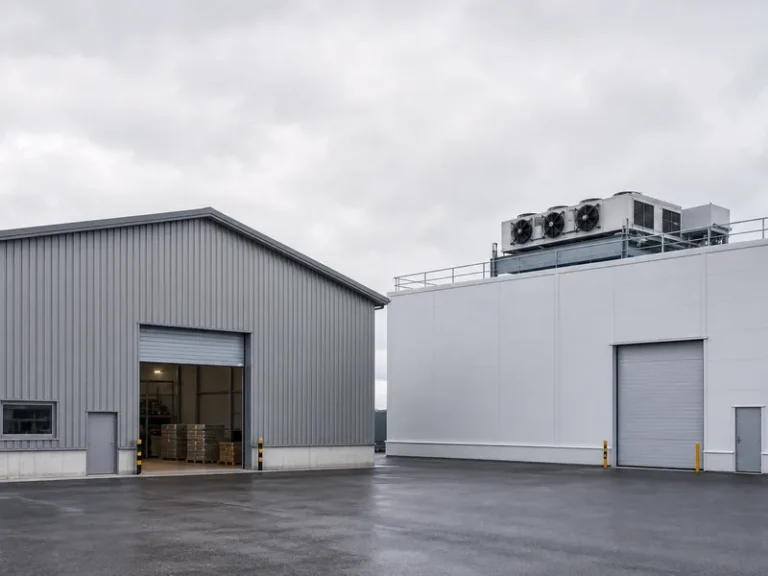
A cold storage building’s performance begins with the envelope and the structural frame, well before the refrigeration equipment is sized. Continuous metal building insulation and a sealed vapor barrier keep the cold in and condensation out, while the steel frame carries the loads of high racking, roof-mounted equipment, and the panels themselves.
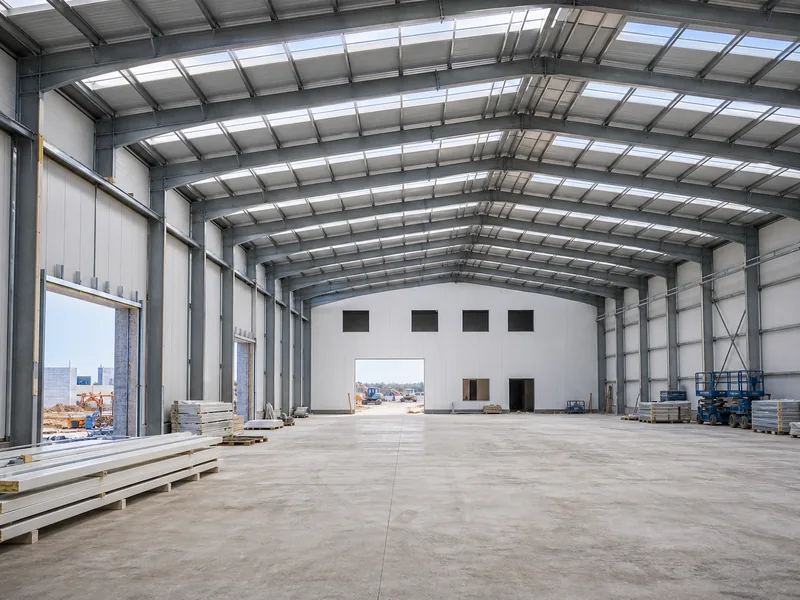
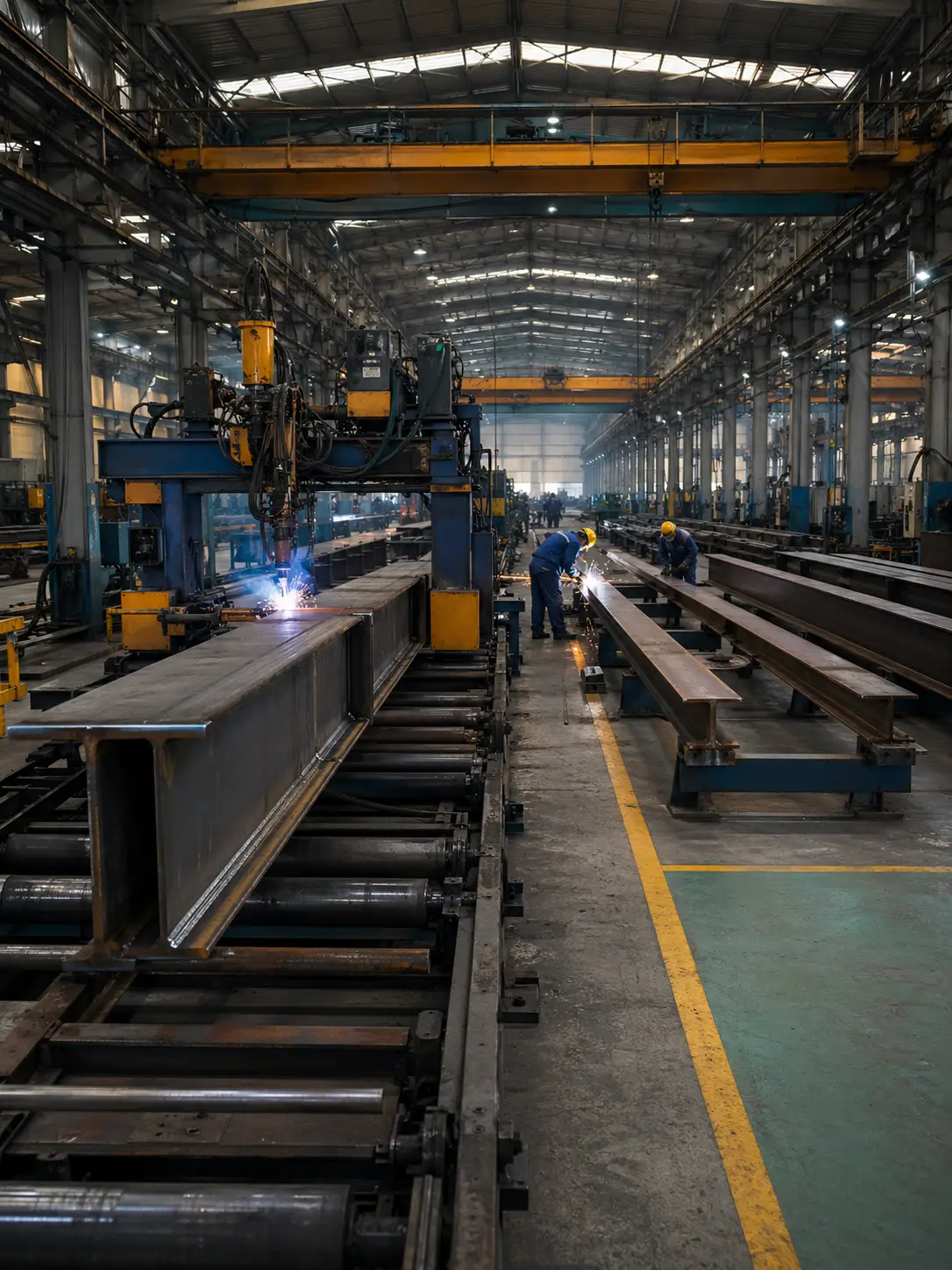
Layout is where the use case shows up in the structure. A clear-span, column-free interior lets operators run tall racking, automated storage, and forklift or shuttle traffic without working around posts. That open layout is why an industrial refrigerated warehouse is usually a purpose-built steel structure rather than a converted dry warehouse. High eave heights add vertical pallet positions, and insulated dock doors and airlocks limit the warm-air infiltration that drives up energy use. Manufacturers of steel cold storage buildings, such as Qingdao KAFA Fabrication Co., Ltd., fabricate the insulated envelope and the clear-span frame as one system, with light and heavy steel design, fabrication, and installation out of a 20,000 m² facility under ISO 9001:2015 quality management. Teams scoping a project can request a quote on a steel cold storage shell.
The full structural and design specifics—foundation, panel selection, refrigeration layout—are their own subject. For those, see cold storage building construction and refrigerated warehouse design guidelines, which go deeper than the envelope-level view here.
Matching a Facility to Your Use
Matching a facility to a use starts with the product’s required temperature class and works outward from there. Four variables carry most of the decision:
- Temperature class and humidity: Confirm the band the product needs, and whether it also needs humidity control—this rules facility types in or out before anything else.
- Single vs. multi-temperature zones: Mixed inventory across chilled and frozen ranges needs partitioned zones, which changes both the building and the refrigeration design.
- Throughput and turnover: Fast-moving distribution stock drives dock count, racking, and aisle layout; long-term holding favors dense storage over door access.
- Compliance regime: Food storage answers to FDA and USDA expectations, while pharmaceuticals follow GDP; both demand temperature monitoring and documented records, which the facility must support.
Energy is the dominant operating line, and it scales with temperature class and runtime rather than floor area alone; that cost side is covered in cold storage operating costs. Before sizing zones, lock down the product’s required band and how long each item will dwell—those two facts shape almost every choice that follows.
Conclusion
Choosing cold storage is an ordering problem more than a feature checklist. Lock the product’s temperature class first, then decide how many zones and how much throughput the facility must support, and only then compare building types and sizes. A fresh-produce cross-dock and an ultra-low biologics vault are both “cold storage,” yet the temperature class each one serves sends them down very different building specs—so define that class before you weigh anything else.
FAQ
What temperature is a cold storage facility kept at?
Cold storage temperatures range from about 34–40°F (1–4°C) for chilled goods down to -40 to -112°F (-40 to -80°C) for ultra-low applications. Most facilities run one or more fixed bands rather than a single temperature, and the set point follows the product rather than the building, so a multi-use site is often several different temperatures at once.
What products need to be kept in cold storage?
Products that lose safety or value as they warm need cold storage—fresh and frozen food, many pharmaceuticals and vaccines, cut flowers, and select chemicals and cosmetics. The common thread is a shelf life or efficacy that drops sharply above a product-specific threshold, which is the number that decides the storage class.
What is the difference between chilled and frozen storage?
Chilled storage holds product above freezing, typically 34–40°F (1–4°C), to slow spoilage without forming ice, while frozen storage runs at or below about 0°F (-18°C) to halt most microbial activity. The deciding factor is whether the product tolerates ice crystals—blast freezing exists precisely to form small crystals that limit cell damage in foods that would otherwise suffer in a slow freeze.
Is a refrigerated warehouse the same as a cold storage facility?
A refrigerated warehouse is one type of cold storage facility—a large, distribution-scale one. “Cold storage” is the broader term, covering everything from a walk-in cold room to a multi-temperature distribution center, so every refrigerated warehouse is cold storage, but not all cold storage is a full refrigerated warehouse.
How is cold storage different from a regular warehouse?
A cold storage facility adds an insulated, sealed envelope, mechanical refrigeration, and continuous temperature monitoring that a dry warehouse does not have. Those systems also make it more energy-intensive and far more sensitive to door and dock discipline, since every open door lets in warm air; the full contrast is covered in warehouse vs cold storage.
Further Reading
- ASHRAE Handbook—Refrigeration — ASHRAE. The engineering reference behind refrigeration system design and the temperature and humidity targets used in cold stores; supports the temperature-class section here.
- EPA GreenChill Program — U.S. Environmental Protection Agency. Covers the commercial refrigeration systems and refrigerants that power cold storage, and lower-emission alternatives—useful background on the equipment side this article keeps out of scope.
- Winter Weather: Cold Stress — U.S. OSHA. Explains the worker-safety hazards of operating in sub-freezing storage, relevant to anyone running frozen or ultra-low facilities.