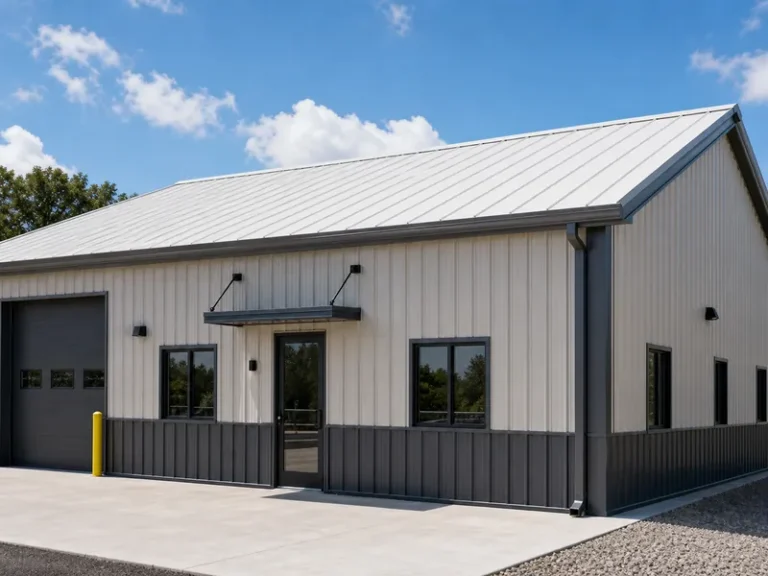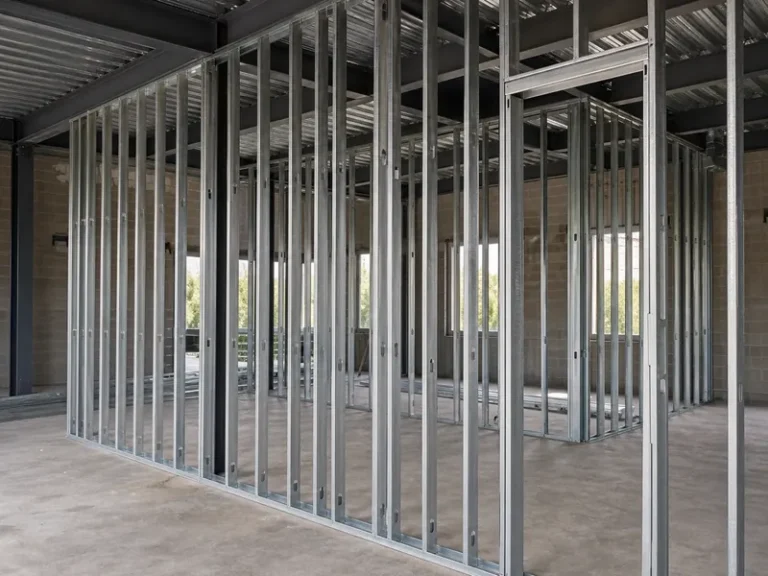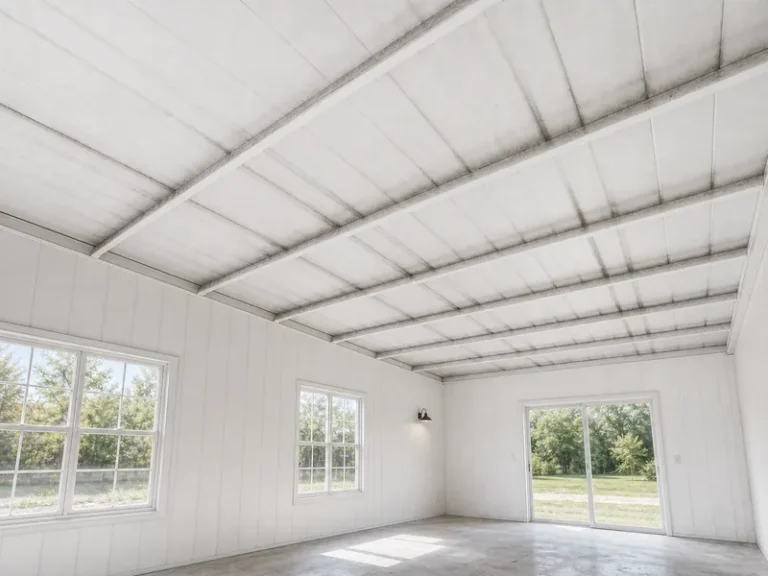





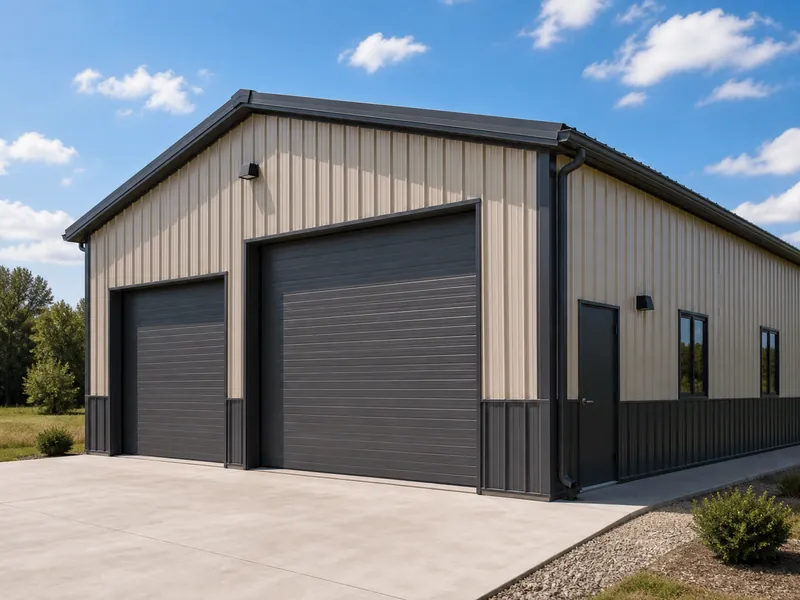
Most metal garage maintenance serves two goals: keeping water out and stopping corrosion before it spreads. A steel garage that gets a careful check twice a year, with small repairs handled while problems are still minor, will normally outlast one that is ignored until a panel leaks or a screw rusts through. The routine itself is short — inspect, clean, tighten, touch up, and manage moisture — and most of it is well within an owner’s reach.
This guide covers the upkeep that actually matters on a galvanized or painted steel garage: how often to inspect, how to wash the panels without harming the finish, what to do about loose fasteners and tired sealant, and how to keep interior condensation from rusting the building from the inside. It does not cover garage-door spring repair or new-build site work, which are jobs for a specialist.
What Wears Out First on a Steel Garage
Corrosion, loose fasteners, and failed sealant account for far more metal-garage problems than the steel frame, which rarely fails as long as it stays dry. The rigid frame and columns are the most durable part of the structure; the parts that need attention are the skin and the connections: panel coatings, screw fasteners, seams, and the sealant around doors and windows. Knowing where the weak points sit tells you where to spend your inspection time.
A coating breach is the usual starting point for trouble. A single scratch, drilled hole, or chip exposes bare steel, and red rust begins at that spot and creeps outward under the paint. Loose fasteners are the second pattern: as panels heat and cool, self-drilling screws gradually back out, and every backed-out screw leaves a small gap where water can enter. Both problems are cheap to fix when caught early and expensive once they spread. If you ever need to source replacement screws, closures, or trim, matching them to the original metal building components keeps gauge and coating consistent.
How Often to Inspect a Metal Garage
Plan on inspecting a metal garage at least once a year, and ideally twice: once in spring after winter and once in fall before cold weather returns. Add a quick check after any severe storm, high wind, or hail event, and step up to roughly quarterly inspections if the garage sits on the coast or in a humid climate where salt air and moisture work faster. Treat these as practical guidance rather than a fixed rule, because the right interval depends on your climate, snow load, nearby trees that drop debris, how well the fasteners and sealant are holding up, and any schedule the building’s manufacturer recommends.
A walk-around does not take long once you know the checklist. On each inspection, look at:
- Roof seams, ridge, and penetrations for lifted laps or standing water
- Wall panels and trim for dents, scratches, or chalking
- Fasteners for back-out, stripped heads, or cracked washers
- Sealant and caulk at doors, windows, and vents for gaps or hardening
- Gutters and downspouts for blockage and drainage away from the base
- The interior for damp spots, drips, or condensation under the roof
Write down what you find and the date. A short log turns a vague memory into a record you can act on, and it shows whether a small rust spot is stable or growing between visits.
Cleaning Panels Without Damaging the Finish
Washing the panels once or twice a year removes the dirt, pollen, and salt that trap moisture against the coating and slowly wear it down. Rinse the walls with clean water, then use a soft brush or cloth with a mild detergent solution, working from the top down so runoff does not streak cleaned areas. Rinse thoroughly and let the panels dry.
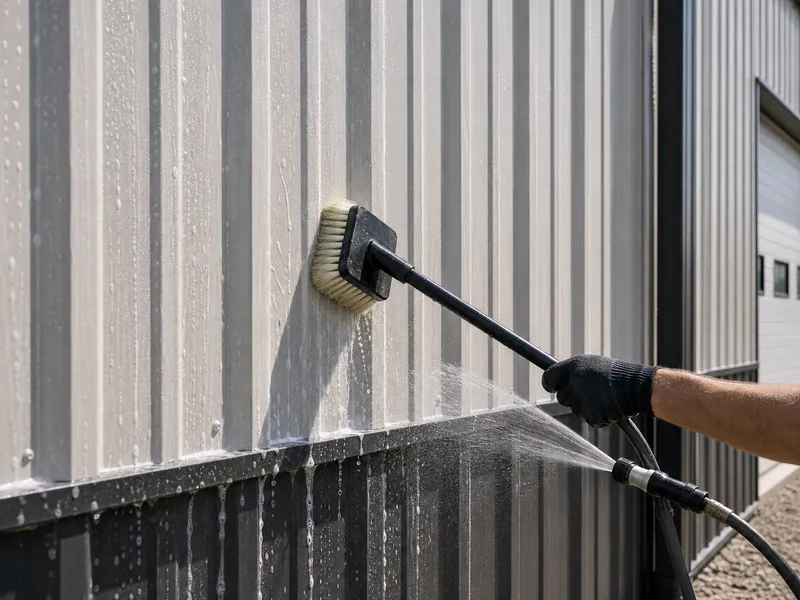
A few cleaning habits protect the finish rather than strip it. Skip bleach, which can shift the panel color and react badly with some coatings, and avoid abrasive pads or hard scrubbing that scratch the surface you are trying to protect. If you pressure wash, keep the pressure low and the nozzle wide and well back. A tight high-pressure stream can drive water behind the panels and lift the finish, and cleaning in moderate temperatures keeps the solution from flash-drying into a film. Overly aggressive cleaning can also void a panel finish warranty, so when in doubt, gentler is safer.
Stopping Rust Before It Spreads
Rust on a steel garage almost always starts at a small breach in the coating — a scratch, a drilled hole, or a chipped edge — so the cheapest corrosion control is finding and sealing those spots early. The factory finish is the first line of defense, whether that is a galvanized zinc layer, a Galvalume coating, or a painted system, and how that finish is specified is part of the broader trade-off between galvanized versus painted steel.
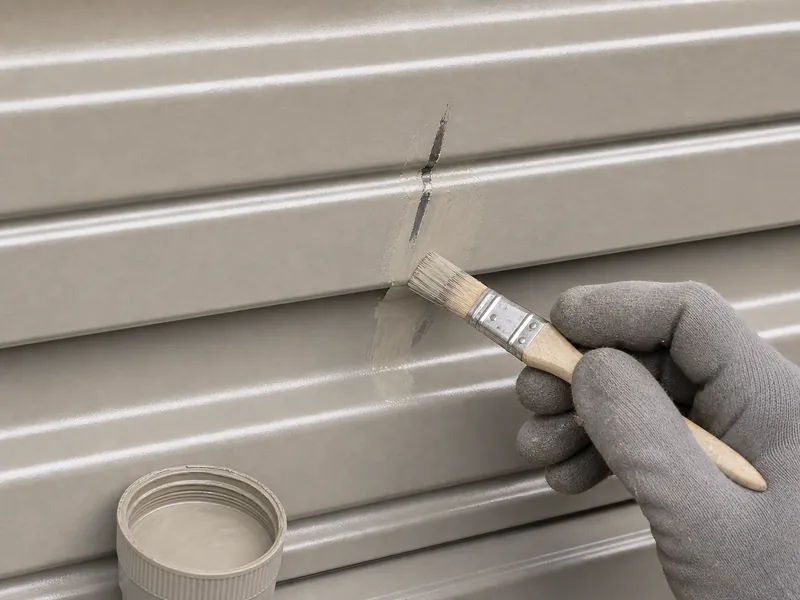
When you find bare metal, clean it back to a sound surface and recoat it promptly. On hot-dip galvanized steel, repairs follow ASTM A780, which covers methods such as zinc-rich paint for touching up damaged areas; on a painted panel, a matching touch-up coat does the same job. Cut edges and drilled holes deserve attention too, since they expose steel that the factory coating never fully covered. Outside the building, keep gutters and downspouts clear so water drains away from the base, because standing water at the bottom of the panels rusts the panel feet and the slab edge faster than almost anything else.
Tightening Fasteners and Resealing Joints
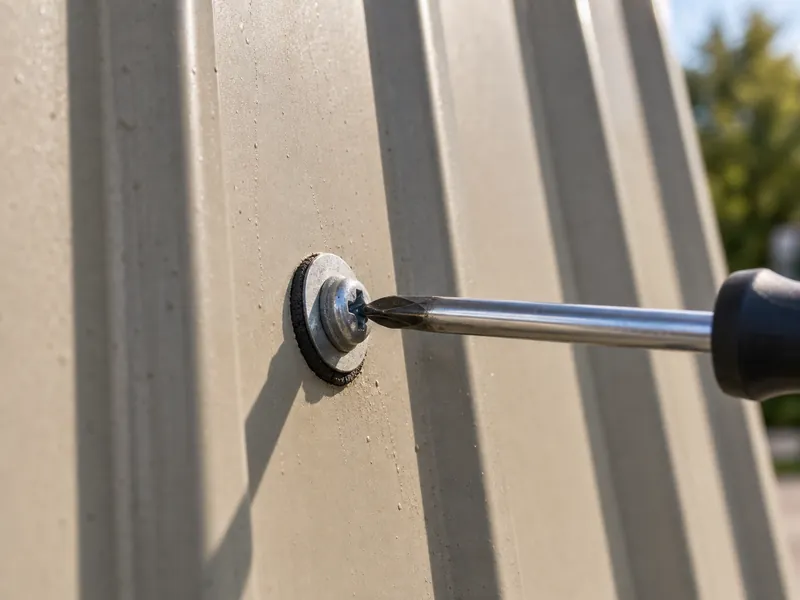
Self-drilling screws back out over time as the metal expands and contracts, and each loose screw is both a leak path and a spot where the surrounding panel can begin to corrode. During an inspection, re-seat screws that have lifted, and replace any that are stripped or spinning. Screws whose sealing washers have hardened or cracked should be swapped as well, because the EPDM washer that once sealed the hole loses its grip as ultraviolet light ages the rubber.
Sealant fades on the same slow timeline. The caulk at panel laps and around windows, doors, and vents shrinks and cracks with age, and once it opens up, water follows. Cut out the failed bead, clean the joint, and reapply a compatible sealant rather than smearing fresh caulk over old. Handled as a pair, fasteners and sealant are where most metal-garage leaks begin, and both fixes stay inexpensive when they are kept on schedule.
Controlling Condensation and Moisture
Condensation inside a metal garage can rust panels and framing from the inside out, which makes interior humidity as much a maintenance concern as keeping rain out. When warm, moist air meets a cold steel surface, it drops below the dew point and water forms on the underside of the roof and walls, the same process that fogs a cold glass on a humid day. Left unmanaged, that moisture drips onto stored items and feeds corrosion in places you rarely look.
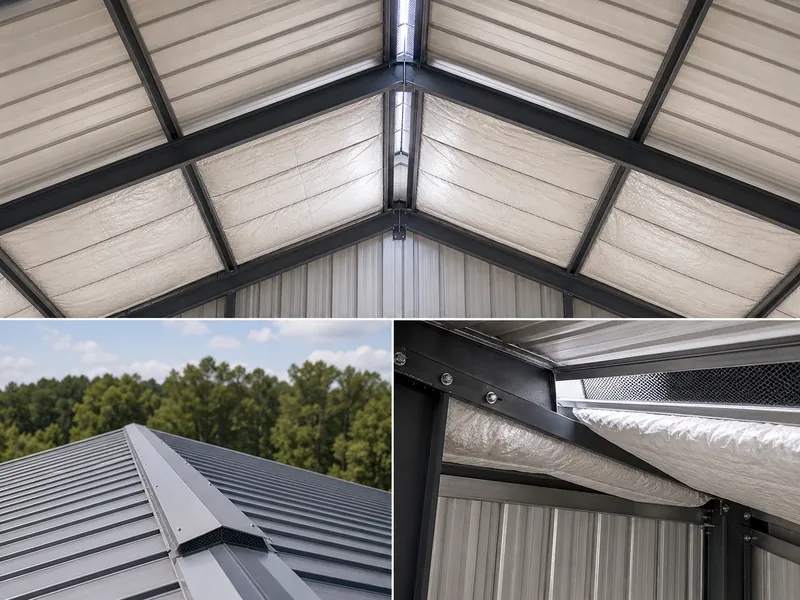
Three measures keep it in check. Ventilation through ridge vents, gable vents, or an exhaust fan moves humid air out before it condenses. Insulation keeps interior surfaces from dropping below the dew point in the first place, and adding metal building insulation with a proper vapor barrier is the longer-term fix where the climate is damp. A dehumidifier helps in enclosed, high-humidity spaces, and clearing vegetation away from the walls keeps air moving around the outside. Pair those with good drainage at the base, and the building stays dry on both faces.
Seasonal and Storm Upkeep
Snow, ice, and wind place the heaviest seasonal loads on a metal garage, and a quick post-storm walk-around catches damage before it becomes a leak. After heavy snow, clear what you safely can from low or reachable roof areas and keep gutters open so meltwater drains instead of refreezing into ice dams at the eave. Watch for ice building up where roof runoff collects.
High wind and hail leave a different set of marks. After a strong storm, look for lifted or rattling panels, dented sheets, loosened trim or flashing, and screws that have pulled partway out. Coastal and high-humidity sites need the most frequent attention, since salt air keeps corrosion working year-round and rewards more regular washing and inspection. Matching the schedule to your climate, not just the calendar, keeps small storm damage from overwintering into a bigger repair.
Garage Door and Openings
The overhead door and the openings around it are the most-used moving parts on a garage and the spots where weather seals fail first. Lubricate the rollers, hinges, springs, and tracks with a garage-door lubricant so the moving metal does not bind or wear, and check that the bottom seal still meets the floor cleanly along its whole length. Surface rust on a steel door can be sanded back and treated with a rust-inhibiting primer and matching paint, the same as any panel.
Weatherstripping around man-doors and windows hardens and shrinks like any other seal and should be replaced once it stops sealing. Leave spring tension and cable work to a professional, since those parts store enough energy to cause serious injury and are not a do-it-yourself maintenance item.
When to Call a Professional
Most metal garage upkeep is owner-level, but structural damage, widespread rust-through, and door-spring work call for a qualified contractor or the building’s manufacturer. Frame or column damage, a sagging roofline, panels perforated by rust over a large area, or signs of foundation movement are all reasons to bring in someone who can assess the structure rather than patch the symptom. Catch corrosion early and maintenance stays in the owner’s hands; defer it long enough and the same routine work becomes a structural repair, which is the difference good upkeep makes in how long a metal building lasts.
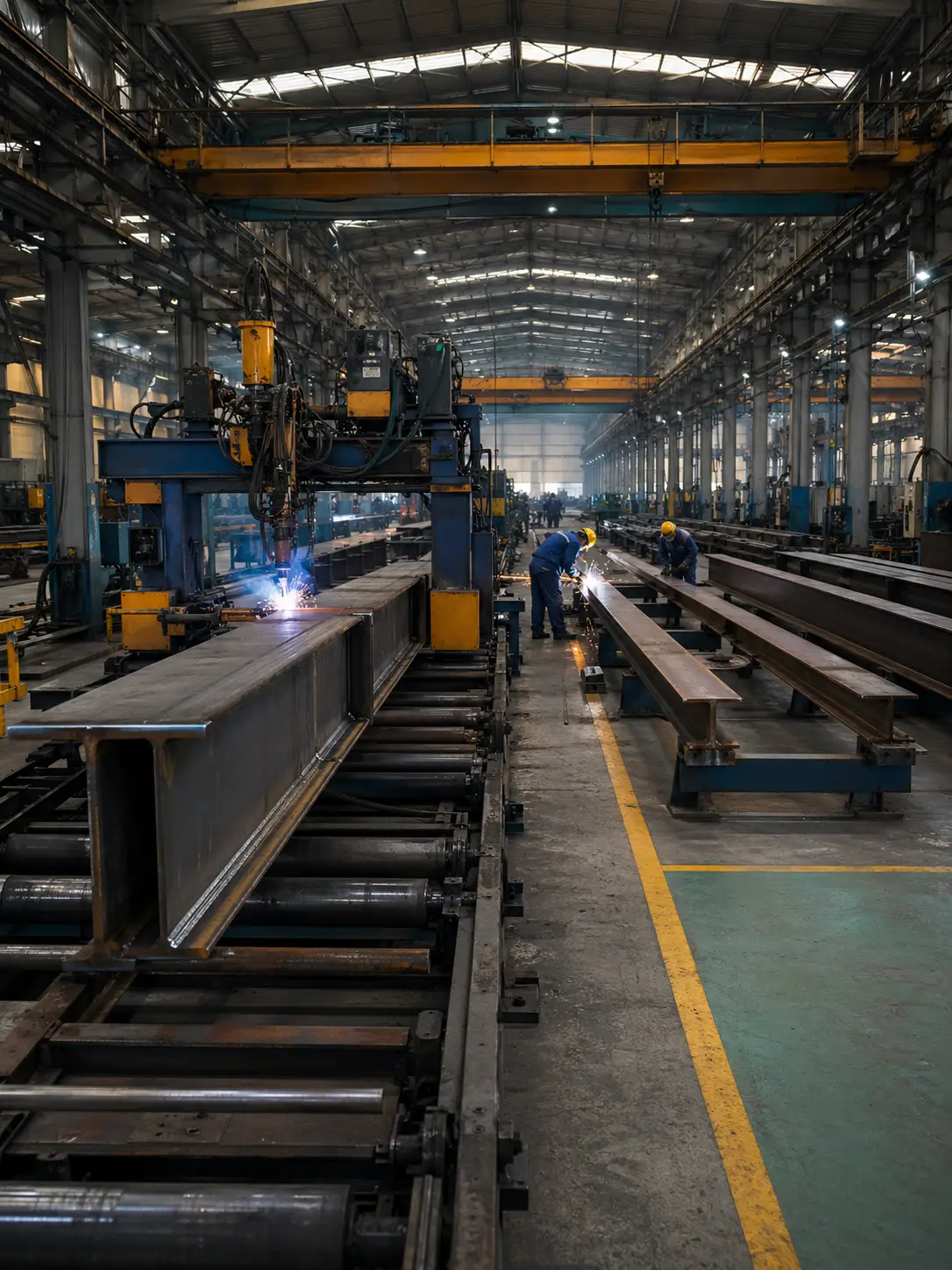
The original manufacturer is also the natural reference point for the building’s specifications, since matching a replacement panel’s gauge and coating starts with knowing what was installed. KAFA, for instance, fabricates its steel buildings on dedicated H-beam, box-section, C/Z-purlin, and profile-plate lines under ISO 9001:2015 quality management, so the gauge and finish of the original components are documented from the start. The same upkeep routine scales up cleanly from a single garage to larger commercial prefab buildings: the surfaces are bigger, but the failure points and the fixes are the same.
Conclusion
Good metal garage maintenance is mostly a few small things done in the right order, and the order that prevents the most expensive repairs is consistent. Keep water out first, which means tight fasteners, intact sealant, and clear gutters. Stop corrosion second by touching up scratches and bare edges before they bloom into rust. Control interior condensation third with ventilation and insulation so the building does not rust from inside. None of it is complicated, and it follows the same principles as broader steel building maintenance on any steel structure.
The payoff shows up a year or two later. Re-seat a backed-out screw or touch up a scratched panel this season, and you avoid the rusted-through panel and the water-stained interior next season. A twice-a-year walk-around is the habit that keeps the rest of this routine instead of urgent.
FAQ
How often should I inspect my metal garage?
At least once a year is the floor, and twice a year — spring and fall — is better, with an extra look after any major storm. Keep each inspection dated in a simple log, because comparing notes between visits is how you tell a stable, cosmetic mark from a rust spot that is actually growing and needs attention now.
Do metal garages rust?
Galvanized and coated steel resists rust for many years, but bare steel will corrode wherever the coating is broken. The spots people miss are cut panel edges, drilled fastener holes, and scratches from moving equipment in and out, since each one exposes steel the factory finish never sealed. That is why early touch-up matters more than any single coating choice.
How do I stop condensation in a metal garage?
Lower the indoor humidity and keep interior surfaces above the dew point. Ventilation moves moist air out, insulation with a vapor barrier keeps the steel from getting cold enough to sweat, and a dehumidifier helps in closed-up spaces. In damp ground conditions, sealing the slab also cuts the moisture rising into the building.
Can I pressure wash a metal garage?
Yes, but at low pressure with a wide nozzle held well back from the panels. A tight, high-pressure stream can force water behind the panels and under trim, and it can lift or dull the finish, so keep the wand moving, spray top to bottom, and let a mild detergent do the work instead of brute force.
How long does a metal garage last?
A well-maintained steel garage can last for decades, because the structure itself ages slowly when it stays dry. The wear items are the coating and the fasteners, not the frame, so a garage’s real lifespan tracks closely with how consistently rust and leaks are caught and fixed.
Further Reading
- American Galvanizers Association — Touch-Up and Repair — Industry association guidance on repairing damaged hot-dip galvanized coatings under ASTM A780, supporting the rust touch-up methods described above.
- Metal Building Manufacturers Association (MBMA) — Industry body for metal building systems and a reference point for the inspection practices behind the maintenance schedule.
- Metal Construction Association (MCA) — Industry association with technical guidance on the care and cleaning of metal roof and wall panels.