




A cold storage unit is a self-contained, insulated space paired with its own refrigeration system, built to hold goods at a set low temperature. People also use the same phrase for the refrigeration machine itself, but in everyday use a “cold storage unit” is the cooled box or room you actually put product into. The sections below stick to that meaning, work through the main types by size and temperature, and lay out a simple way to choose the one that fits.
The term covers a wide range, from a walk-in cooler tucked behind a restaurant to a refrigerated room inside a distribution center. What ties them together is the pairing of a cooling system with an insulated enclosure, sized to a specific product and temperature.
What a cold storage unit actually is
A cold storage unit is the combination of a refrigeration system and the insulated space it cools, treated as one working package. Strip it down and there are three parts: the machinery that removes heat, the insulated shell that keeps heat out, and the controlled space in between where product sits. Take away any one of them and you no longer have a usable unit.
The word “unit” causes some confusion, and it helps to settle it early. Some suppliers call the condensing or refrigeration assembly the “unit,” while most buyers mean the whole enclosure. Both are correct in context, but they are not the same purchase. When someone asks what a cold storage unit costs or how big one is, they almost always mean the enclosed, refrigerated space rather than the compressor on its own.
It also differs from a whole refrigerated building. A single unit is a defined, often relocatable space, while a purpose-built structure is engineered ground-up for refrigerated loads across its entire footprint. If your question is really about the structure and how it is designed and built, that is closer to what a cold storage building involves, which is a separate topic from picking a unit.
The two systems inside every unit
Every cold storage unit runs on two systems that have to work together: a refrigeration unit that pulls heat out, and an insulated shell that keeps heat from leaking back in. The refrigeration side is a closed loop of compressor, condenser, evaporator, expansion valve, and fans that move heat from inside the space to the outside air. The shell is built from insulated sandwich panels, usually with a polyurethane or polyisocyanurate core, plus an insulated floor and tight-sealing doors.
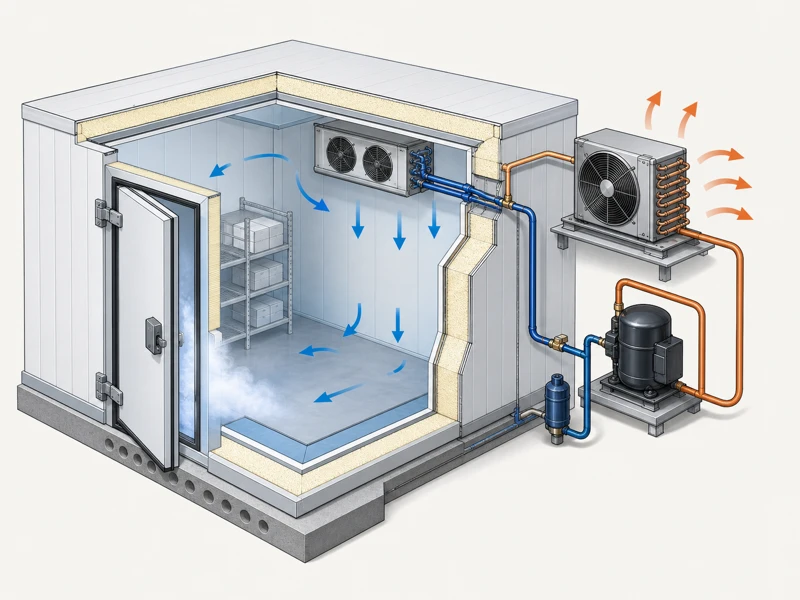
In practice, a unit that struggles to hold temperature is more often losing the battle at the door seals, panel joints, and floor than at the compressor. Warm, humid air sneaking in around a worn gasket or an uninsulated slab edge forces the refrigeration system to run longer, drives up energy use, and invites condensation and ice. The same logic that governs envelope performance in any building applies here: panel thickness and detailing matter as much as the equipment. When the unit reaches building scale, insulation for metal buildings is a useful reference for getting that envelope right.
A cold storage unit is only as good as its weakest layer. A strong compressor behind a leaky envelope is a recurring repair bill, not a reliable cold space.
Types of cold storage units
Cold storage units come in a rough ladder of sizes, from a single walk-in box up to a full refrigerated building. Moving up the ladder usually means more capacity, more temperature zones, and a more permanent installation. The four levels below cover most of what buyers actually compare.
Walk-in coolers and freezers
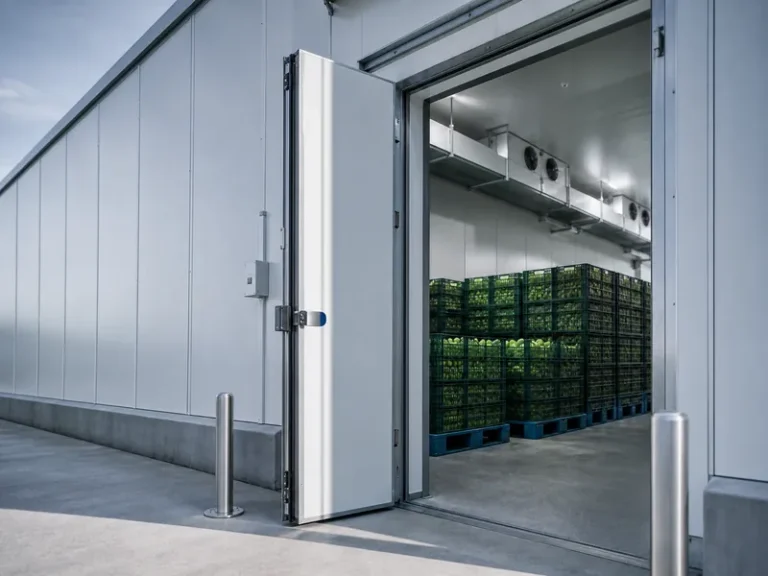
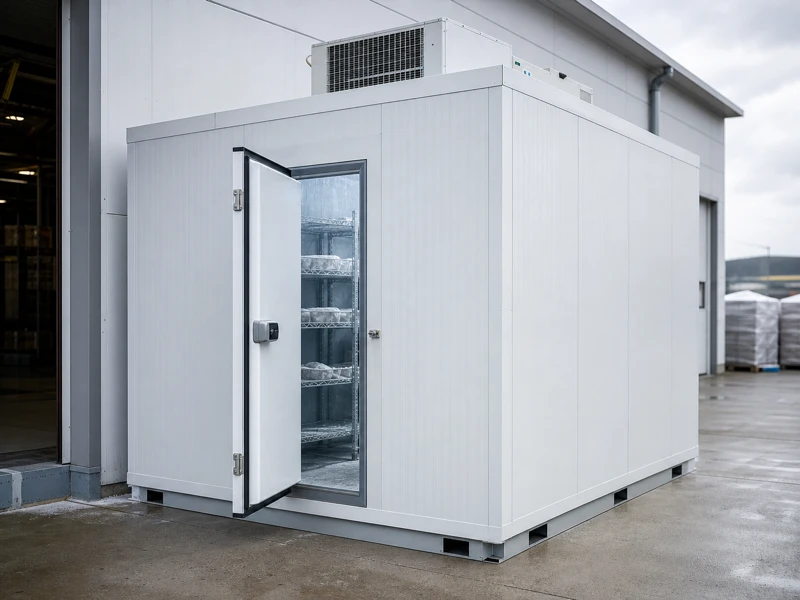
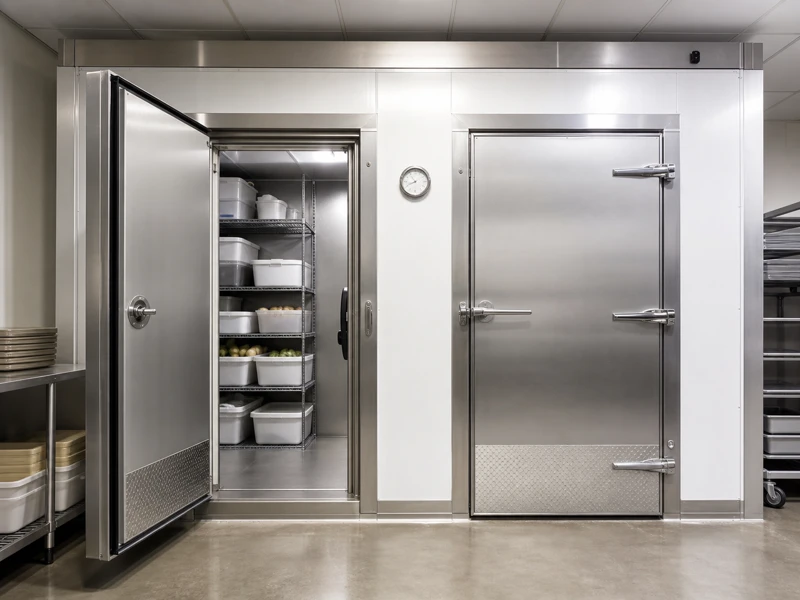
A walk-in is the smallest unit you can step into, and it is the default for restaurants, small retailers, and labs. U.S. federal energy rules give it a precise outline. A walk-in cooler or freezer is an enclosed, refrigerated space you can walk into, with a total chilled area under 3,000 square feet; coolers stay above 32°F and freezers at or below it (10 CFR 431, Subpart R). Walk-ins are relatively quick to install and run, which is why they anchor the bottom of the ladder.
Modular (prefabricated) cold rooms
A modular cold room is built from factory-made insulated panels that lock together on site, so it can be expanded, reconfigured, or relocated later. Because the panels arrive ready to assemble, installation is faster than poured or stick-built construction, and many systems can be set to run as either a chiller or a freezer. This flexibility suits growing operations and temporary needs, from event catering to a remodel that needs swing capacity.
Refrigerated containers (reefers)
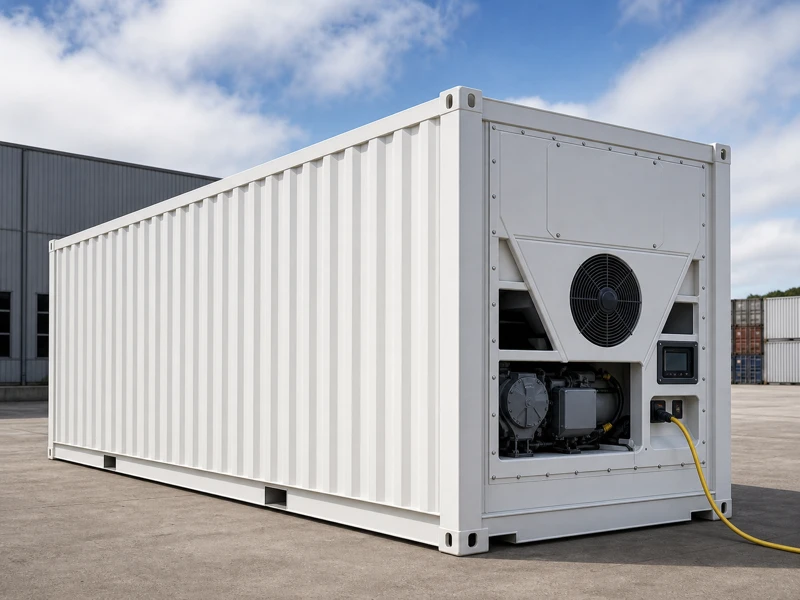
A refrigerated container is an insulated shipping container with its own cooling unit, which makes it the mobile option on the ladder. Reefers handle seasonal overflow, remote sites, and goods that need to stay cold in transit, and a single box can typically be set anywhere from roughly 70°F down to about -20°F. They trade the capacity and energy efficiency of a fixed room for the ability to be trucked wherever the cold is needed.
Building- or warehouse-scale cold rooms
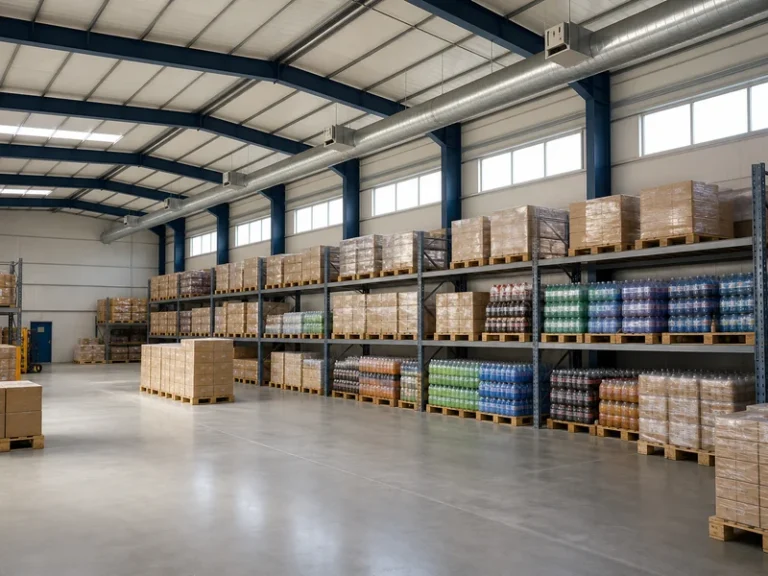
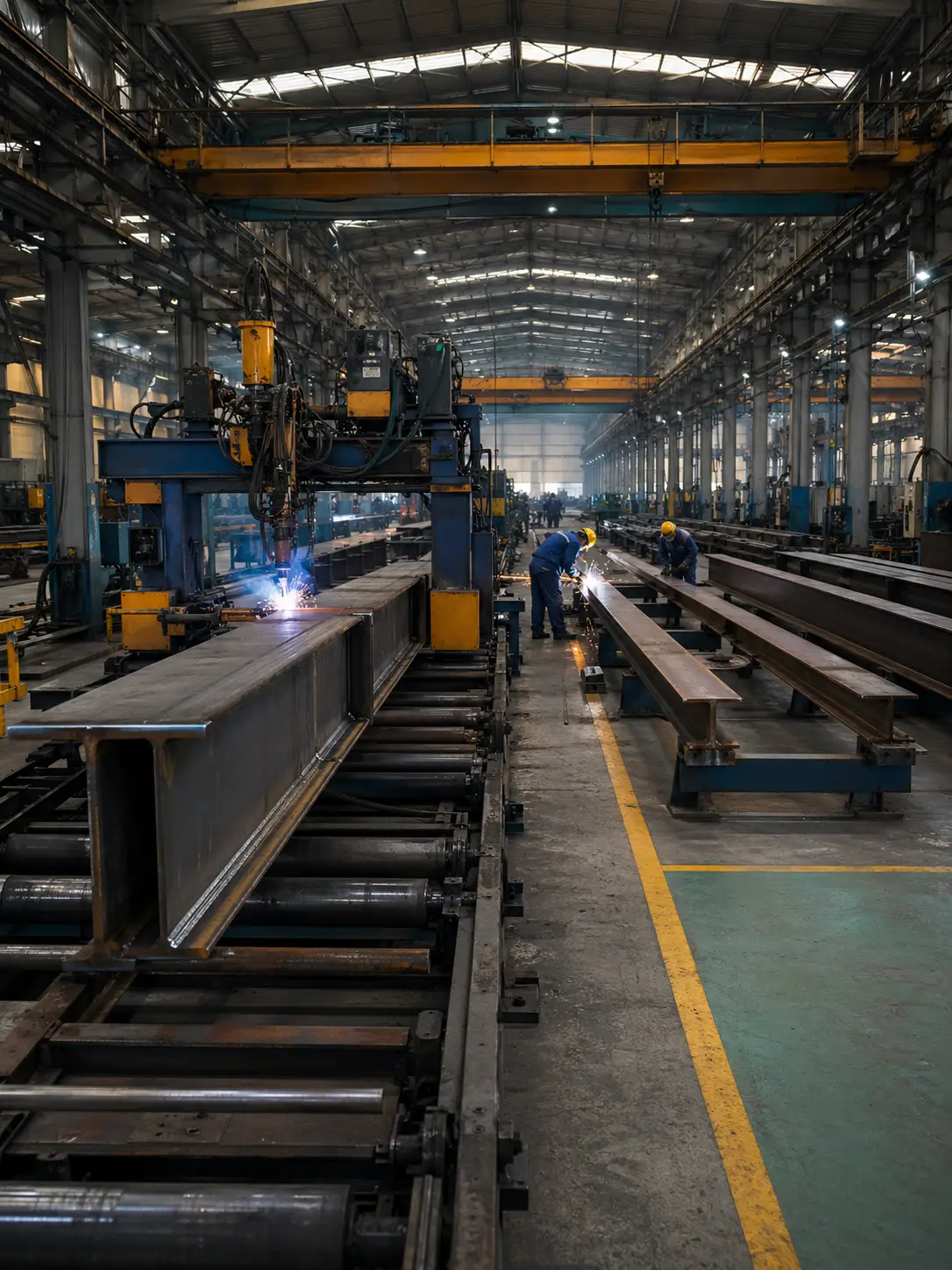
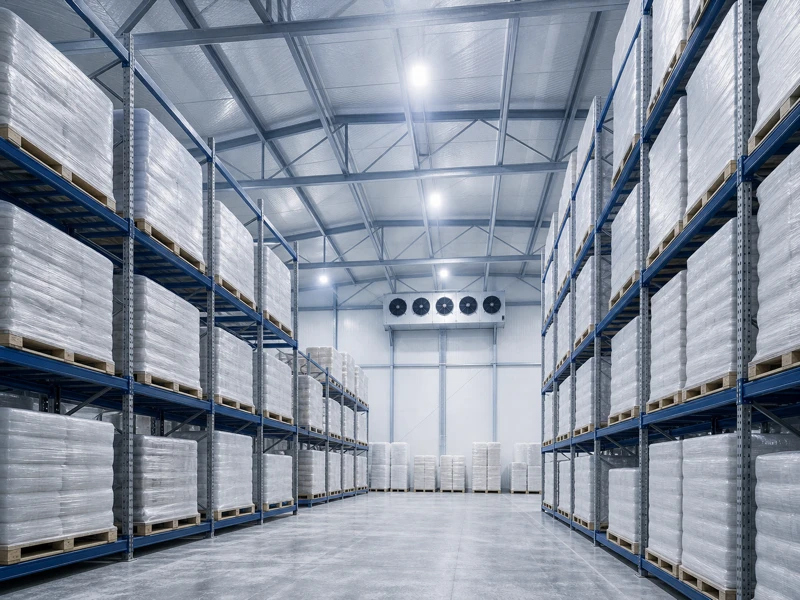
At the top of the ladder, the unit is really a cold storage building: an insulated steel structure engineered around the refrigerated load rather than a packaged box you order off a shelf. This scale supports multiple temperature zones, racking, and mechanized handling, and the shell is designed as part of the refrigeration strategy from the start. A steel fabricator such as Qingdao KAFA Fabrication works at this level, building the frame and insulated envelope to suit the cold load. If you are weighing a refrigerated space against a standard dry warehouse, that is a different decision covered in warehouse versus cold storage.
A few specialized types sit outside this size ladder. Blast freezers and chillers pull product temperature down fast, in roughly an hour or two, to protect quality. Controlled-atmosphere (CA) rooms adjust the gas mix as well as the temperature for long-term produce storage, and ultra-low units serve medical and lab samples far below normal freezing.
Chiller vs freezer: the temperatures that define a unit
The line between a chiller and a freezer sits at about 32°F (0°C), and which side a unit runs on shapes nearly every other choice. A chiller, or cooler, generally holds product around 32°F to 50°F (0°C to 10°C) for fresh food, beverages, and many medicines. Vaccine and pharmaceutical storage is often tightened to 2°C to 8°C. A freezer typically runs from around 0°F down to about -20°F (-18°C to -29°C), and deep-freeze or blast applications go lower still. Actual setpoints depend on the product, so these are working ranges rather than fixed numbers.
A common and costly habit is sizing the temperature class to the coldest item you might ever store. Running a freezer for stock that is really chiller goods burns extra energy every hour the unit operates, and it can damage produce that should not be frozen. Confirm the setpoint your product actually needs before deciding whether the unit is a cooler or a freezer, because that single decision drives panel thickness, floor design, door type, and refrigeration sizing downstream.
How to choose the right cold storage unit
Choosing a cold storage unit starts with the product’s real temperature setpoint, then moves to volume, mobility, and how permanent the space needs to be. Working through those variables in order keeps you from over-buying capacity or locking into the wrong temperature class. A short checklist covers most situations:
- Temperature class: confirm whether the product needs a chiller or a freezer setpoint, including any humidity requirement.
- Volume and turnover: size the space to peak inventory and how often the door opens, since frequent access adds heat load and makes the unit work harder.
- Fixed or mobile: choose a reefer if the cold has to travel or move between sites, and a fixed room if it stays put.
- Permanence and growth: pick a modular room when you expect to expand or relocate, and a built structure when the load is large and long-term.
- Site, power, and service access: check available floor area, electrical supply, and clearance to reach and maintain the refrigeration equipment over time.
Once those answers are in hand, the unit type usually selects itself. Small and self-contained points to a walk-in, flexible and growing points to a modular room, mobile points to a reefer, and large and permanent points to a refrigerated building. The industries that rely on cold storage, from food and pharma to floristry and logistics, each lean toward a different rung for the same reasons. You can see the full range of uses in what cold storage facilities are used for.
Conclusion
A cold storage unit is easiest to specify when the temperature class is settled first and the size question comes second. Decide whether you need a cooler or a freezer, match the volume to peak inventory, then choose the rung on the ladder that fits. A walk-in suits a small fixed need, a modular room stays flexible, a reefer travels between sites, and a full refrigerated building covers warehouse-scale capacity. The one boundary to keep in mind is that the largest “unit” is no longer a packaged product but an insulated steel building, designed around the cold load from the frame out. If your plan has reached that scale, the next step is sizing the structure and its envelope rather than shopping for a box.
FAQ
Is a cold storage unit the same as a refrigerator or freezer?
A cold storage unit works on the same refrigeration principle as a household fridge or freezer, but it is a walk-in or larger space rather than an appliance you reach into. The difference is scale and use: a unit is sized for commercial inventory, built from insulated panels, and entered by people or pallets rather than opened by a door at arm’s reach.
What is the difference between a cold storage unit and a cold room?
A cold room is one common form of cold storage unit, usually the walk-in or modular size that sits inside a larger building. The phrase “cold storage unit” is broader and also covers refrigerated containers and building-scale spaces, so every cold room is a unit, but not every unit is what people picture as a cold room.
What temperature does a cold storage unit run at?
A cold storage unit typically runs anywhere from about 50°F (10°C) down to roughly -20°F (-29°C) or lower, depending on what it stores. Chiller setpoints cluster near 32°F to 50°F, freezers sit at or below 32°F, and specialized blast or ultra-low units go colder for fast freezing or lab samples.
How big can a cold storage unit be?
A cold storage unit ranges from a walk-in under 3,000 square feet up to a multi-thousand-square-foot refrigerated building. The federal walk-in definition caps that category below 3,000 square feet of chilled area, and anything larger is generally treated as a refrigerated room within, or as, a purpose-built structure.
Do I need a cold storage unit or a cold storage building?
A cold storage unit suits a defined volume of product, while a dedicated building makes sense once you need multiple temperature zones or warehouse-scale capacity. If a walk-in, modular room, or reefer covers your inventory, a unit is enough; if you are planning racking, docks, and several zones, you are designing a building.
Further Reading
- Walk-In Coolers and Walk-In Freezers — U.S. Department of Energy. Gives the federal definition and energy-conservation standards for walk-in units (10 CFR 431), useful for the size and temperature boundaries described above.
- ASHRAE Handbook — ASHRAE. The Refrigeration volume is the standard technical reference for refrigerated storage design, supporting the temperature and system details in this guide.
- GreenChill Program — U.S. Environmental Protection Agency. Covers commercial refrigeration and refrigerant management, relevant to the refrigeration system inside any cold storage unit.