




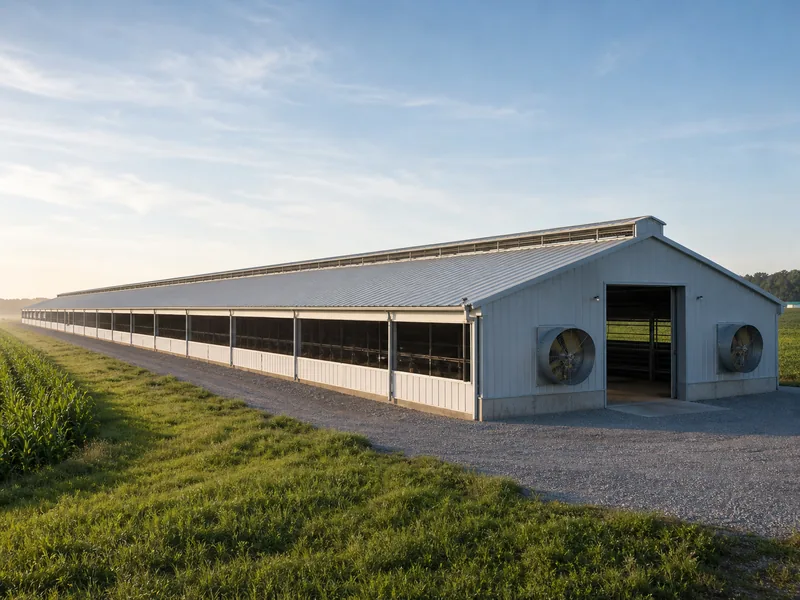
A steel structure chicken house uses a steel frame (columns, beams, and purlins) to carry the roof and walls of a poultry building, instead of relying on load-bearing masonry or timber. That single structural choice changes how the building is sized, how fast it goes up, how it is ventilated, and how it has to be protected over its service life. For a grower or investor deciding whether to build in steel, those downstream effects matter more than the frame itself.
This article covers what defines a steel poultry house, the main types matched to broiler, layer, and breeder operations, the design variables that drive configuration, what actually moves the cost, and how to protect steel in an ammonia-heavy poultry environment. It does not cover flock management, the internal workings of feeding or egg-collection equipment, or a step-by-step foundation method, since those are separate decisions a builder handles once the structure is specified.
What a Steel Structure Chicken House Is
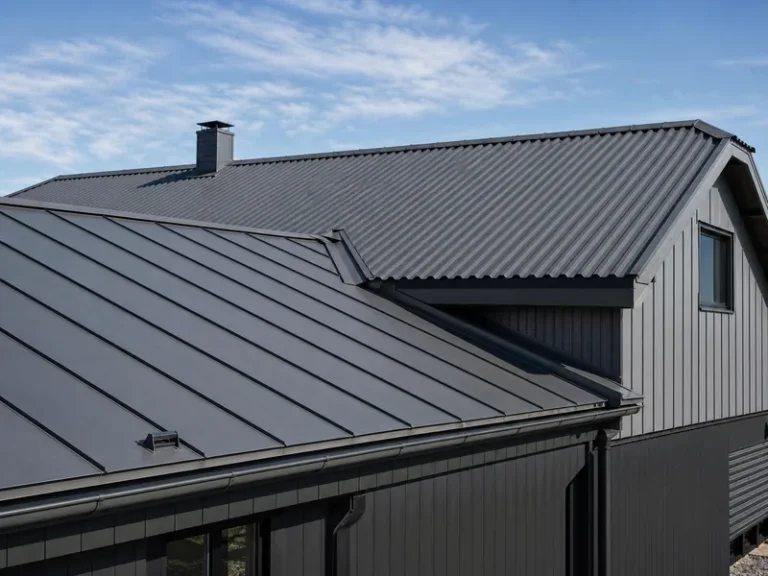
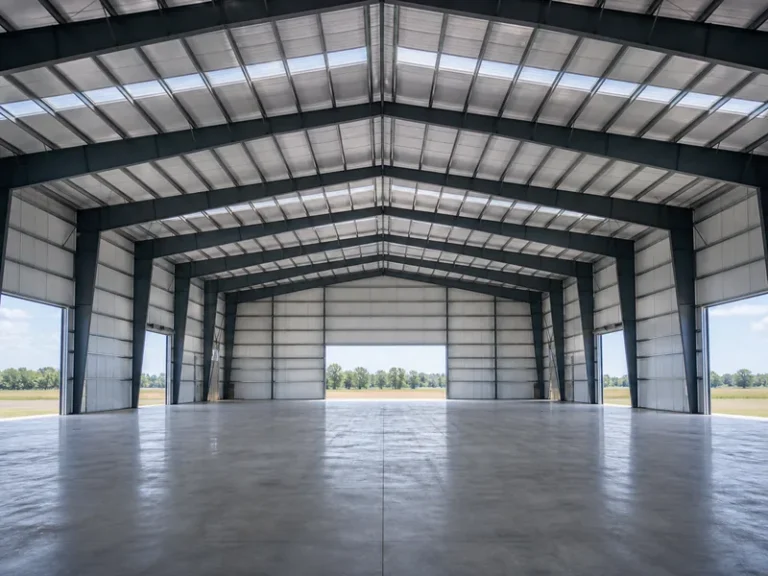
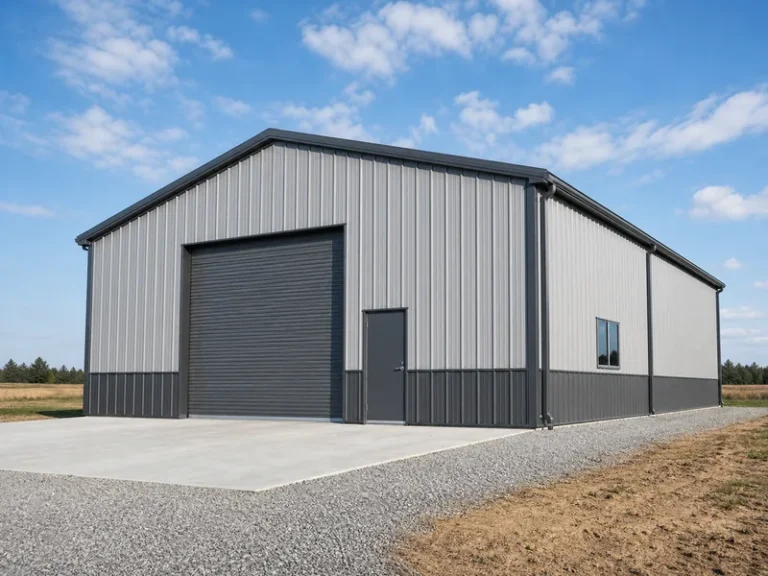
A steel structure chicken house is a poultry building whose primary load path runs through a fabricated steel frame rather than concrete block or wood. The frame typically combines hot-rolled columns and beams with cold-formed C- or Z-section purlins, then carries metal cladding or insulated sandwich panels for the roof and walls. Common structural steels for the main frame are carbon grades such as Q235 and Q345, sized to the columns and beams that the span and loads require.
The distinction matters because steel behaves differently from masonry in exactly the conditions a poultry house creates. Steel spans farther without internal columns, which keeps the floor clear for cages or automated lines, but it also conducts heat and corrodes when exposed to the ammonia and moisture that flocks generate. A common misconception is that a steel building is inherently “fireproof” and “maintenance-free.” Bare structural steel loses strength at high temperature and needs protection to resist the corrosive gases inside a barn, so the honest framing is that steel trades masonry’s mass for speed and span, in exchange for active corrosion and fire detailing.
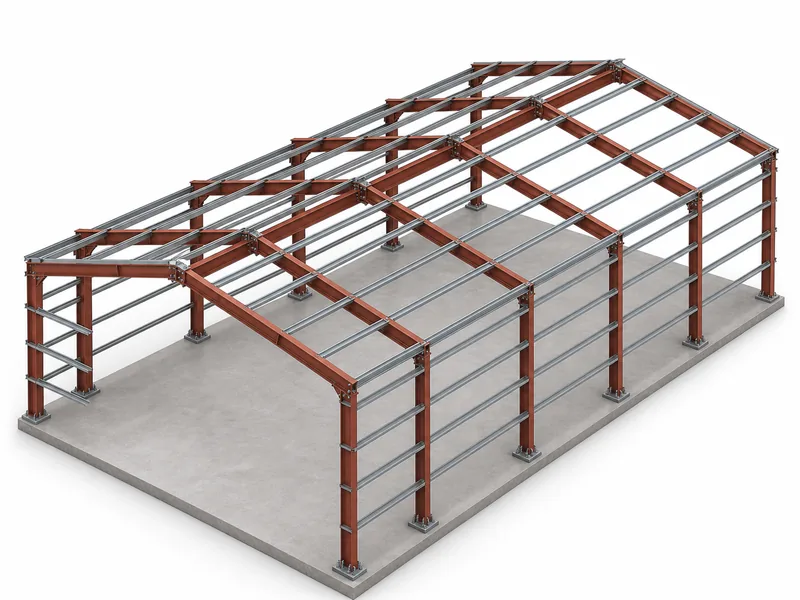
Main Types of Steel Structure Chicken Houses
Match the building type to the production system before sizing anything, because broiler, layer, and breeder operations pull the structure in different directions. Each places its own demands on floor area, height, and ventilation, and the frame is built to those demands. Choosing the type first, then the dimensions, keeps the structure from being over- or under-built for the equipment it has to house.
Broiler Houses
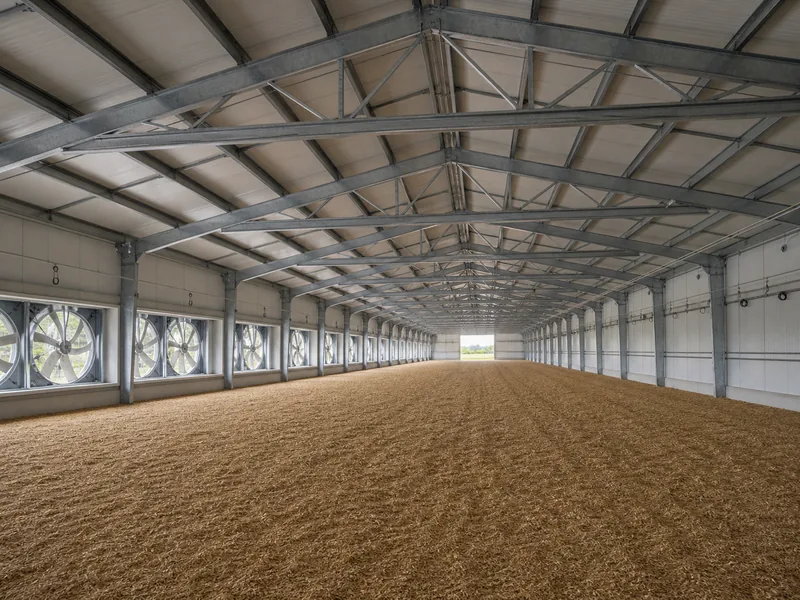
Broiler houses prioritize floor area and even airflow, because birds are raised on the floor at stocking densities that make ventilation the limiting factor. A wide clear span helps here, since interior columns interrupt airflow and complicate litter management. Tunnel or cross ventilation also shapes the shell, so the frame has to leave the gable ends and sidewalls clear for inlets and fan banks rather than treating them as plain walls.
Layer Houses
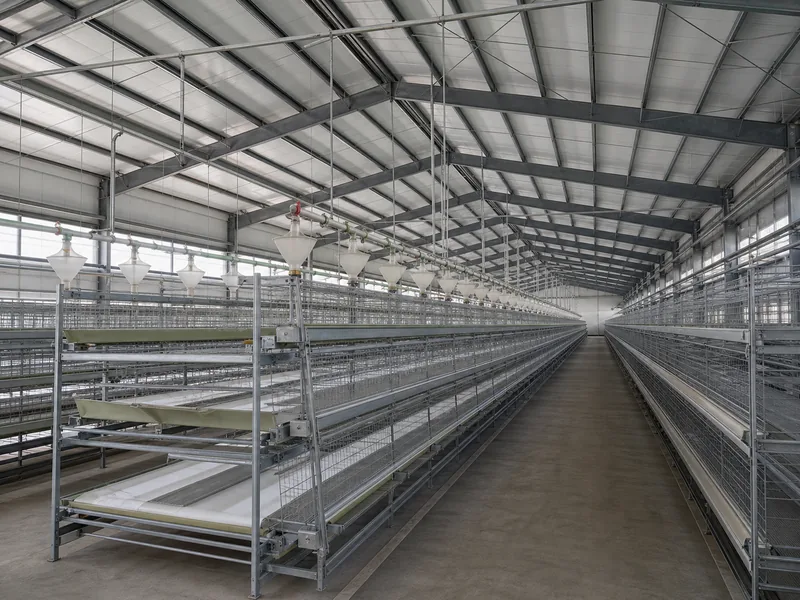
Layer houses are shaped by the cage or aviary system, which often stacks vertically and pushes eave height up. Multi-tier cage rows need headroom for the tiers, walkways, and overhead egg-collection runs, so a layer house is typically taller than a broiler house on the same footprint. The span is set to fit a whole number of cage rows with their service aisles, and the frame itself has to carry the overhead lines and catwalks the system hangs from it.
Breeder and Pullet Houses
Breeder and pullet houses sit between the two, with layout driven by the mix of floor, slat, and cage area the program uses. Because the breeding plan changes how the interior is divided, the useful structural move is to fix clear heights and door positions that let a section be curtained off or re-partitioned later. Designing for that flexibility up front avoids cutting into a finished frame when the program shifts.
Steel vs. Traditional Chicken House Construction
Steel earns its place in a poultry house mainly on span, speed, and hygiene, while traditional masonry holds its advantage on upfront cost. A steel frame reaches wider clear spans and goes up faster because much of it is fabricated off-site and bolted together, so erection is often measured in weeks rather than months. Its smooth, washable surfaces also suit the repeated cleaning and disinfection a biosecure operation needs.
The trade-off is capital cost and corrosion exposure. Steel and insulated panels generally carry a higher initial price than a basic block house, though the size of that gap depends on material specification, span, and local labor. Whether the speed, span, and durability repay that premium is a project-by-project judgment rather than a universal rule, and the full steel-versus-concrete comparison for poultry is a topic in its own right.
Key Design Variables for a Steel Structure Chicken House
Four variables decide most of a steel chicken house’s configuration: clear span, eave height, the climate-and-ventilation plan, and how the interior is zoned. Each one traces back to the production system chosen earlier, and each one shifts both cost and how the house performs. Locking them in the right order prevents expensive rework once cages or fans arrive.
Span and Length
A poultry house span is set to the cage rows or floor pens it has to hold and to how air moves through them, not to a preferred round number. Single-span widths commonly fall in roughly the 8–20 m range for typical commercial sheds, while truss-based designs can reach 30 m or more without interior columns when an unobstructed floor is worth the extra steel. Length usually follows target capacity and the run length of feeding and ventilation lines, with commercial houses often running anywhere from about 50 to 150 m depending on throughput.
Eave Height
How tall the house needs to be comes down to the cage system and the ventilation strategy, not appearance. A floor-raised broiler house needs less height than a multi-tier layer house, where the tiers, walkways, and overhead lines set the minimum, so eave heights cover a wide band, from a couple of meters for simple sheds up to four meters or more for tall caged layouts. Getting it wrong forces either cramped service access or wasted air volume that is harder to heat and ventilate.
Climate, Ventilation, and Insulation
Climate decides whether the envelope is open-sided or fully enclosed and how much insulation the panels carry. Hot, humid regions often use open or curtain-sided structures with evaporative cooling, while colder or tightly controlled operations enclose the building and add insulated panels to hold temperature. Roof pitch and panel type matter here too, since they affect how the barn sheds solar heat and whether condensation forms and drips back onto the flock, so the choice among metal roofs ties directly into insulation and condensation control over a humid poultry floor.
Functional Zoning
Functional zoning sets aside structural space for the parts of the operation that are not the bird floor itself, such as service rooms, controls, and biosecurity entry points. Mapping these zones before the frame is finalized avoids cutting openings into a finished structure later. The frame should leave clear bays for them rather than forcing them into leftover space.
What Drives the Cost of a Steel Structure Chicken House
The cost of a steel chicken house is driven less by any single price per square meter than by a handful of configuration choices, which is why quoted figures vary so widely. Before treating any number as a budget, it helps to know which variables move it. The main cost drivers are:
- Structural specification — the steel grade and member sizes the span and local loads demand, since wider clear spans and heavier wind or snow loads call for more steel.
- Span and scale — a larger footprint and longer house multiply both material and erection effort.
- Envelope and insulation — open-sided cladding costs far less than fully enclosed insulated sandwich panels.
- Automation and integration — structural and electrical provisions for feeding, ventilation, and environmental controls, while the equipment itself sits outside the building budget.
- Region, foundation, and site — local labor, soil conditions, and the concrete slab or footings all shift the total.
- Corrosion protection level — galvanizing or higher-spec coatings add cost up front but protect the frame in the barn environment.
Because these drivers interact, the most useful step is to fix the estimating basis (shell only, structure plus envelope, or a fuller turnkey scope) before comparing quotes, so that two prices describe the same thing. A single per-square-meter figure quoted without that basis is hard to act on.
Corrosion Protection in Poultry Environments
Corrosion is the failure mode that decides how long a steel chicken house actually lasts. Manure releases ammonia and hydrogen sulfide, and in the warm, humid air of a stocked barn those gases attack steel far more aggressively than ordinary outdoor exposure. This is the part of the “steel is durable” claim that needs a condition attached, because durability is earned through coating and detailing, not assumed from the material.
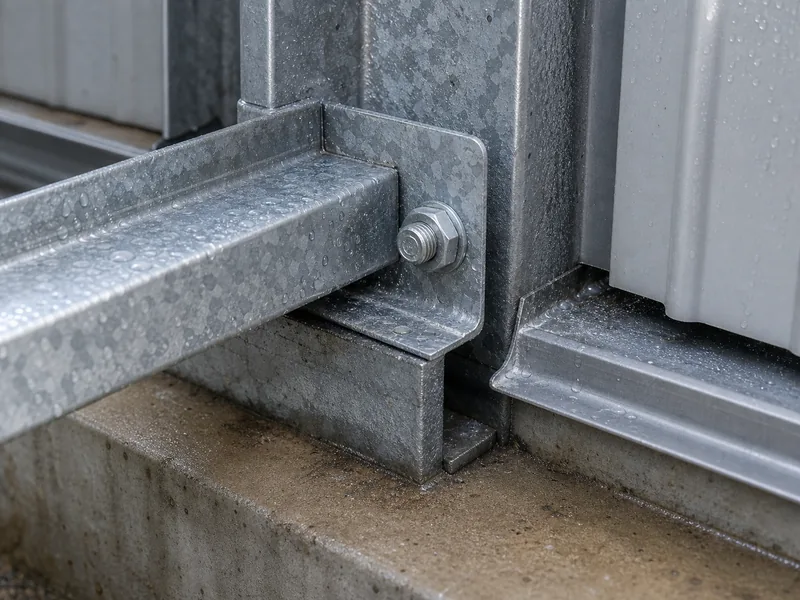
In practice, the parts to watch first are the fasteners, the panel laps and joints, and the low areas near the floor where moisture and droppings collect. Hot-dip galvanizing and quality coating systems are the usual defenses, and the choice between galvanizing and paint coatings is itself a detailed comparison worth making for the specific environment. Where stronger proof of coating performance matters, it is reasonable to ask the fabricator for the coating specification and the inspection points to check after handover, rather than assume them.
Lifespan claims should be read in that light. Industry sources commonly cite service lives of 20 to 30 years or more for steel poultry houses, but those figures assume the corrosion protection is specified for the environment and maintained over time. A house in a hot, humid, high-ammonia operation that skips coating maintenance will not reach the same life as one detailed and serviced for the conditions.
Choosing the Right Configuration
Specifying a steel chicken house works best as an ordered set of decisions rather than a single spec sheet handed over at once. Lock the production system first (broiler, layer, or breeder), because that fixes the floor layout and drives everything after it. Set the clear span and eave height to that system next, then decide the envelope and ventilation for the climate, and only then settle the corrosion protection level the barn environment demands.
Cost comes last, and only after the estimating basis is fixed, so that span, envelope, and coating scope read the same across every quote. A grower who locks those variables in order, and who treats lifespan as earned through coating rather than promised by the material, can hand a complete brief to experienced metal building manufacturers instead of weighing mismatched numbers.
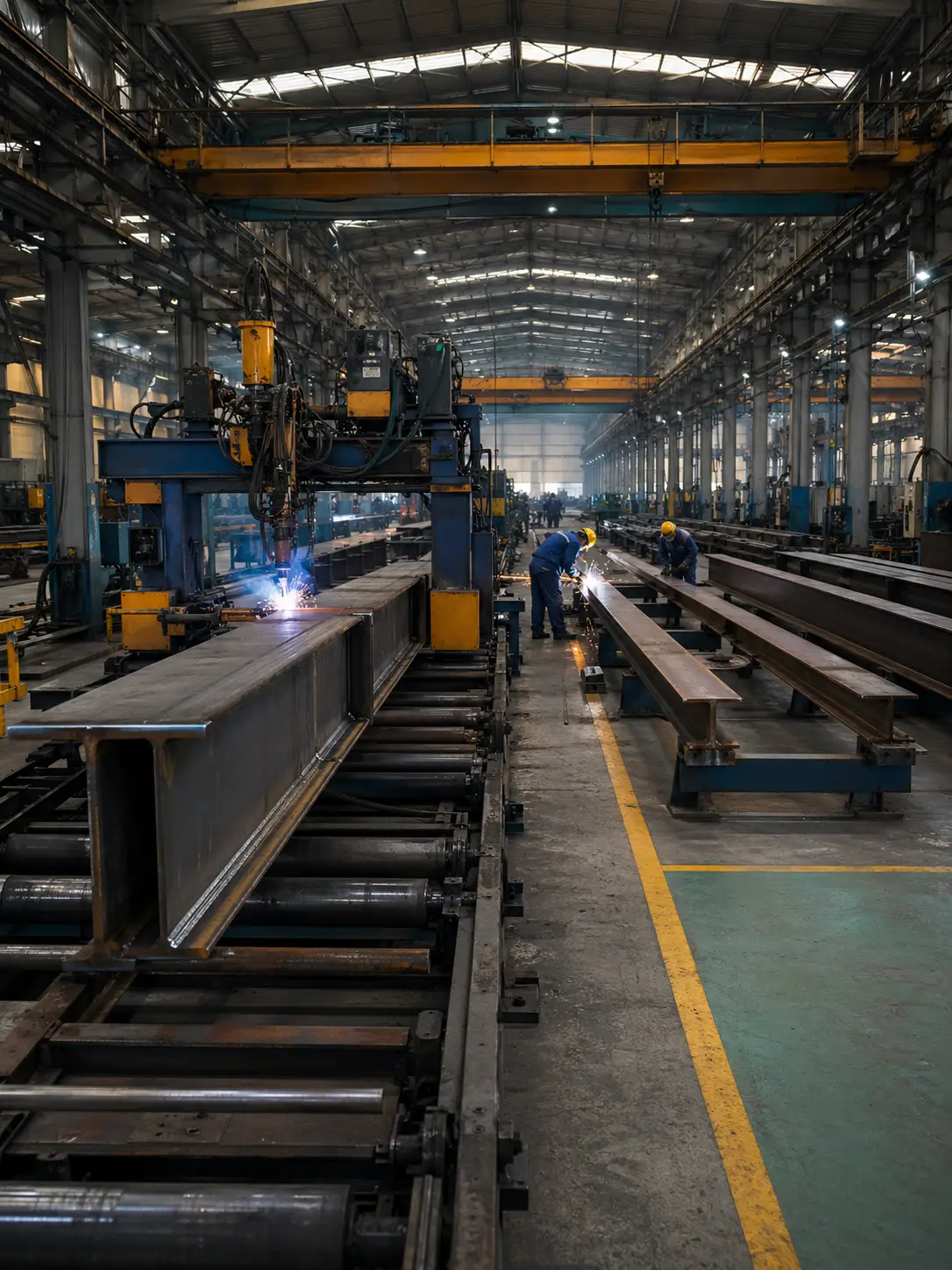
KAFA designs, fabricates, and installs light and heavy steel frames of this kind at its 20,000 m² Qingdao facility, working under ISO 9001:2015 quality management with dedicated lines for H-beam, box-section, and C/Z-purlin members.
Frequently Asked Questions
How much does a steel structure chicken house cost?
Fix the scope before asking for a price, because the same house quoted three ways returns three different numbers. Decide which one you are pricing: shell only (frame and cladding), structure plus envelope (add insulation and openings), or turnkey (add the ventilation and controls fit-out). Even then the figure moves with span, enclosure level, corrosion protection, and local labor and foundation costs, so compare quotes only when they are built on an identical scope.
How long does a steel structure chicken house last?
Treat the commonly cited 20 to 30 years or more as a ceiling that coating and maintenance either earn or forfeit. Reaching the upper end means specifying a coating rated for the ammonia-and-moisture load, then inspecting the fasteners, panel laps, and low wet areas on a schedule and touching up damage early. A frame left uncoated for its environment, or never inspected, ages far faster in a humid barn.
What span is right for a poultry house?
Size the span in order, not to a round number: first the production system (broiler floor, layer cage rows, or breeder mix), then the ventilation method, then the service aisles those need. Typical commercial sheds land in roughly the 8–20 m single span, while a truss design can clear 30 m or more without interior columns when an open floor is worth the added steel. A width that fits a whole number of cage rows plus aisles beats one that simply sounds tidy.
Is steel better than concrete for a chicken house?
Neither material is universally better, since the answer turns on span, speed, hygiene, and budget priorities. Steel wins on clear span, construction speed, and washable surfaces, while concrete or block can be cheaper up front and carries no corrosion coating. The detailed trade-off for poultry specifically deserves its own comparison rather than a one-line verdict.
Do steel chicken houses corrode from ammonia?
Ammonia and hydrogen sulfide from manure do attack steel, especially in the warm, humid air inside a stocked house. That is why corrosion protection, whether galvanizing or quality coating systems, plus attention to fasteners, joints, and low wet areas, is central to a steel poultry house and not an optional extra. Lifespan claims hold only when that protection is specified and maintained.