



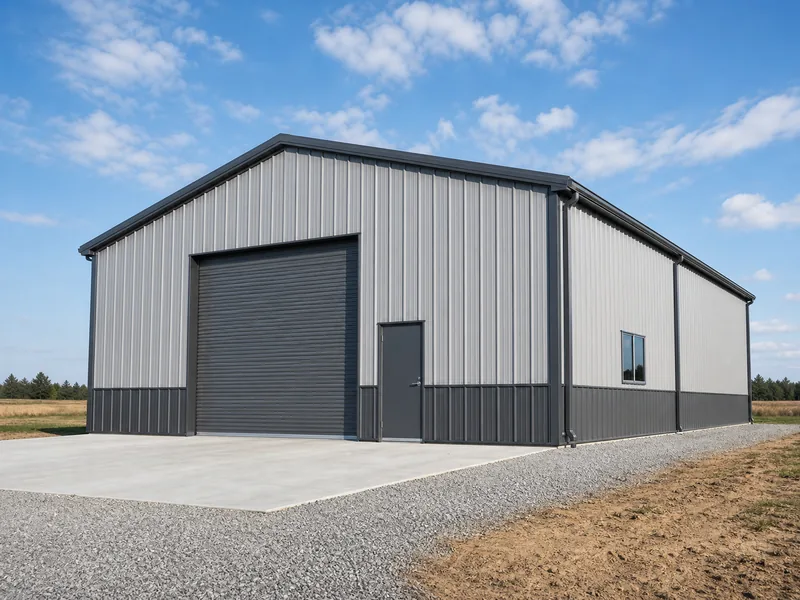
A 30×50 metal building gives you 1,500 square feet of clear, column-light space. In 2026 it usually costs anywhere from about $16,000 for a bare structural shell to $60,000 or more once it is installed and finished. That spread is not vague pricing. It reflects how much of the building you are actually buying: frame only, an enclosed shell, or a finished structure standing on a slab.
Most budget surprises come from comparing two numbers that measure different things. A kit price and an installed price describe different buildings, and the gap between them is where the slab, labor, permits, and insulation live. This guide breaks a 30×50 into the line items that move, the variable behind each one, and the estimating basis you should lock before you ask anyone for a quote. The footprint is a popular one for garages, workshops, and agricultural buildings, so the same size gets quoted for very different jobs.
What a 30×50 Metal Building Costs in 2026
A 30×50 metal building separates into three price tiers that track how finished it is. Each tier answers a different question, which is why a single “what does it cost” figure is misleading.
- Bare structural shell (frame and panels only): roughly $11 to $20 per square foot, or about $16,000 to $30,000 for the 1,500-square-foot footprint. This is steel, not a usable building, with no slab, no finished openings, and no utilities.
- Enclosed but unfinished: this tier sits between shell and turnkey pricing, with the building closed in and weather-tight but raw inside. Where it lands depends on the enclosure, the openings, and how much slab, labor, and insulation scope you carry.
- Finished or turnkey: often $40,000 to $60,000 installed for a typical build, climbing toward $50,000 to $75,000 or more once you add full insulation, concrete, interior finish, and higher-end systems.
On a per-square-foot basis, turnkey installed buildings tend to land around $25 to $45, depending on finish level and region. The per-square-foot figure is slippery for exactly that reason: it only means something once you say which tier it covers. Treat every range here as a starting band, then narrow it once you know your gauge, your local loads, and how far you intend to finish the inside.
Cost Breakdown: Where Your Budget Actually Goes
Five line items account for most of a 30×50 budget: the steel kit, the foundation, erection labor, permits, and insulation. Reading them together is what turns a sticker price into a budget you can defend.
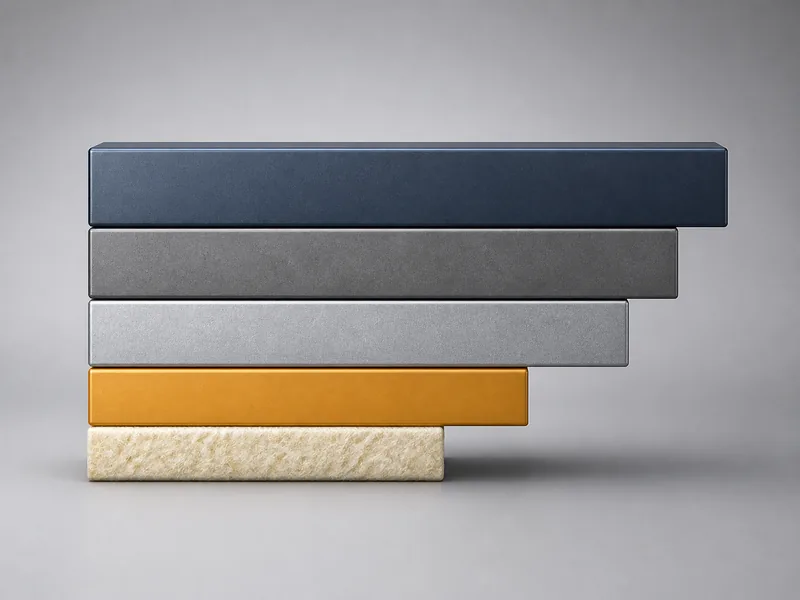
| Component | Typical range (30×50) | What moves it |
|---|---|---|
| Steel building kit (shell) | $16,000 – $30,000 | Gauge, frame design, snow and wind loads |
| Concrete slab | $6,000 – $12,000 | Thickness, rebar, site; about $9,000 for a 6-inch reinforced slab |
| Erection labor | about $3 – $15 / sq ft | Crew, site access, complexity, region |
| Permits and engineered plans | about $500 – $3,000 | Jurisdiction, occupancy, stamped drawings |
| Insulation | $2,500 – $6,000 | R-value, climate, material; closed-cell costs more |
Each line carries its own variable, and a generic total hides all of them. The slab makes the point: a 30×50 slab runs about $4 to $8 per square foot, and a 6-inch reinforced pour often lands near $9,000, but soft or sloping ground raises that number before the steel ever arrives. Labor behaves the same way, swinging widely with crew rates, site access, and how complex the building is. Price each line against your own site rather than copying someone else’s finished total.
What the Base Price Includes — and the Costs It Leaves Out
A base kit price covers the steel, not the finished building, and that distinction is the most common reason a 30×50 budget runs over. Buyers compare a kit quote to a turnkey quote, see a large gap, and assume the difference is markup.
A typical building package includes the primary frame, secondary framing such as purlins and girts, roof and wall panels, fasteners, and basic trim. It usually does not include the concrete slab, site preparation, erection labor, permits, insulation, interior finish, or utilities. Few of those are genuinely optional in practice. A building still needs a foundation to stand on and, in most jurisdictions, a permit before it is occupied, so the cheaper-looking kit quote is often pricing a smaller scope rather than a better deal.
Before comparing any two quotes, confirm what scope each one actually covers. The fastest way to mis-budget a 30×50 is to hold a shell price next to a turnkey price and treat the difference as savings.
The Variables That Drive a 30×50 Quote Up or Down
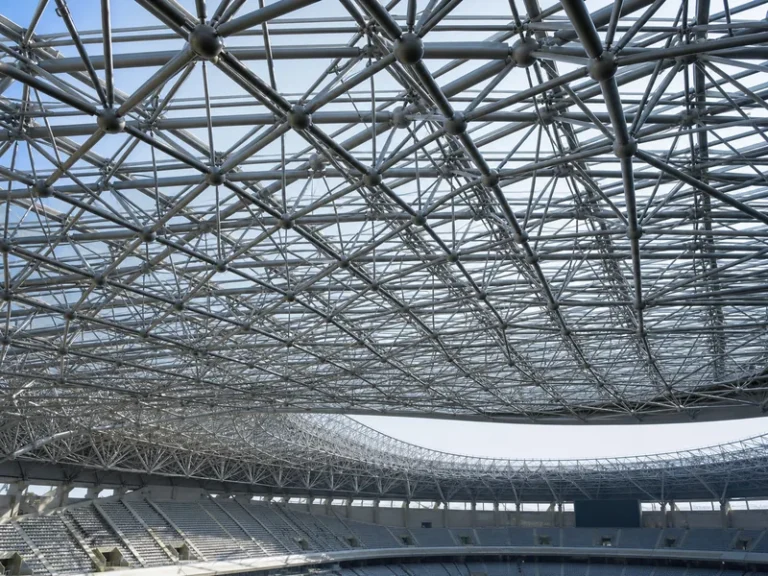
The steel in the frame is the biggest single lever on a 30×50 kit price, and it barely shows up on a spec sheet. A 30-foot clear span carries its roof load across the full width with no interior columns, so the primary frame has to be sized for that span plus your local snow and wind loads.
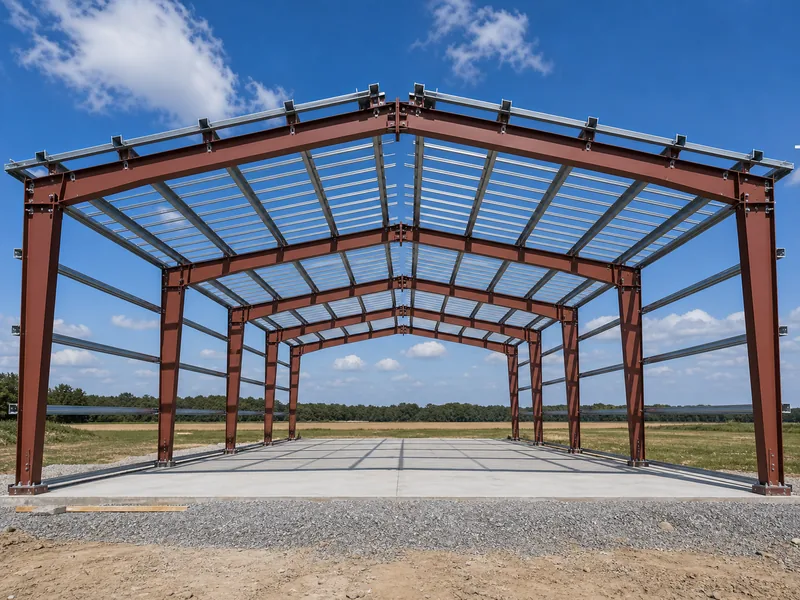
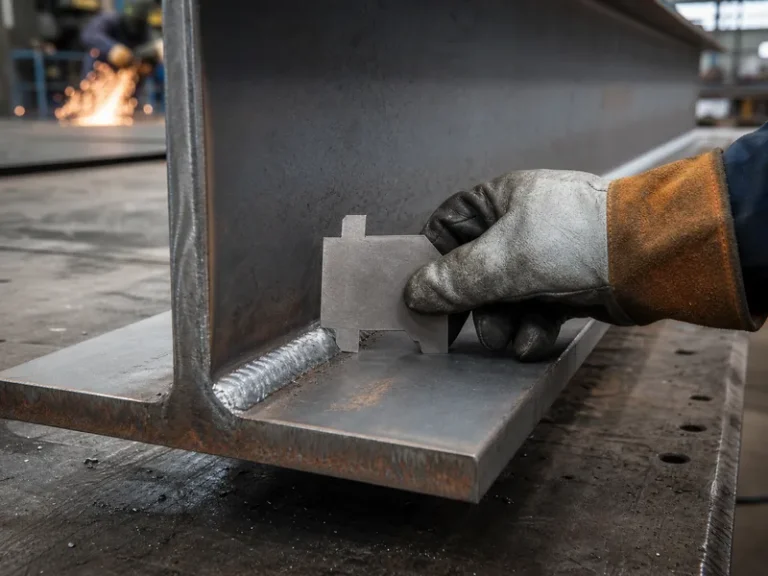
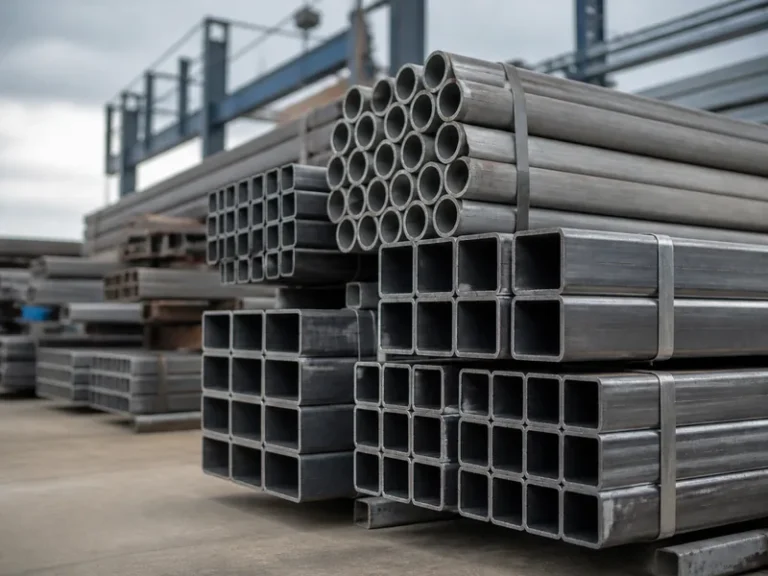
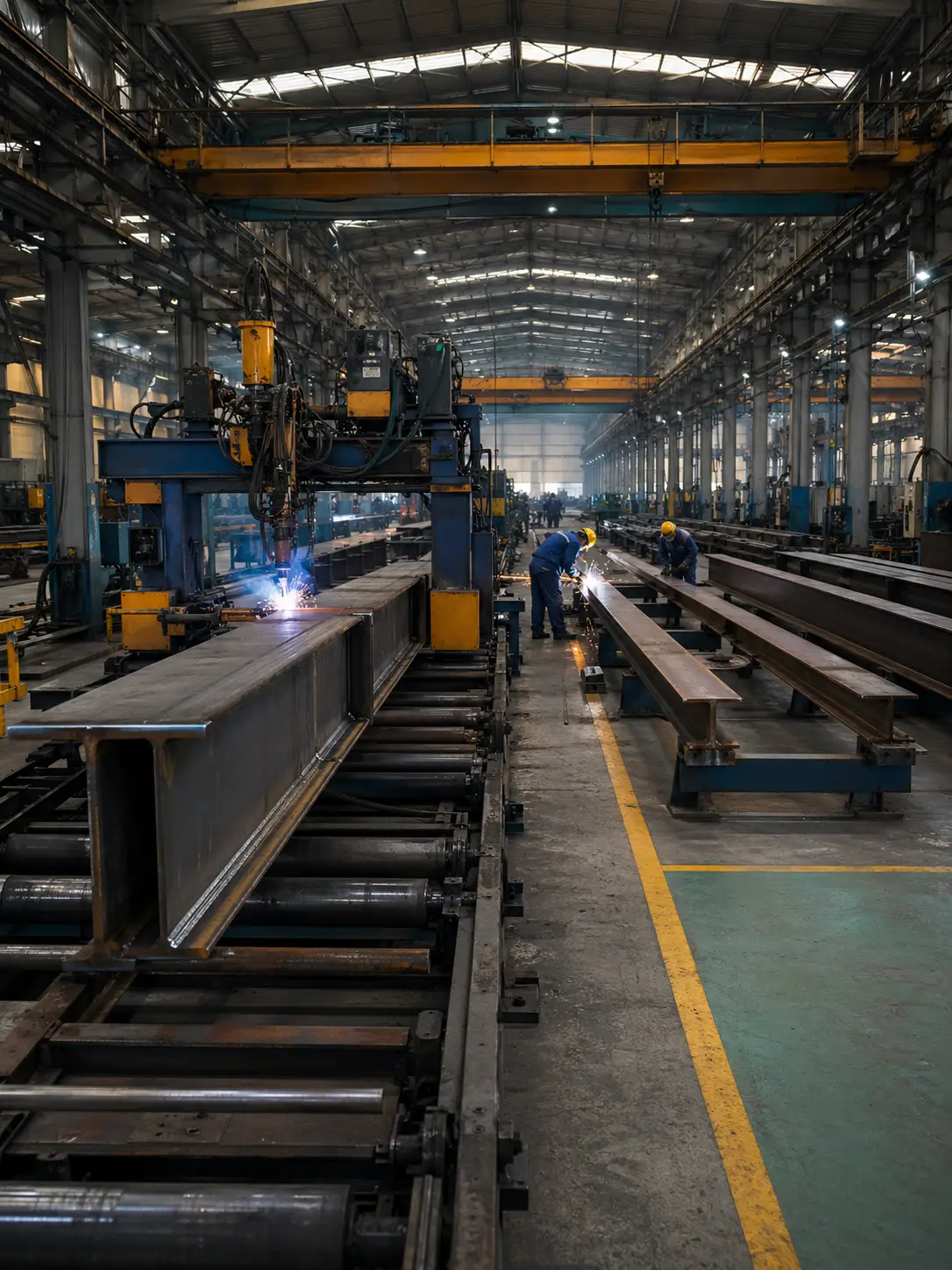
Heavier loads mean heavier members, not just thicker skin. The same footprint engineered for a high-snow region uses more steel tonnage, and tonnage is what you are paying for. For a fabricator running dedicated H-beam, box-section, and C/Z purlin lines under ISO 9001:2015 quality management, engineered loads drive how the frame members are sized. That is why two buildings both labeled “30×50” can carry different quotes even when the dimensions match.
Several other variables move the number in predictable directions:
- Steel gauge: heavier gauge frame and panels cost more, and the size of the increase depends on the panel and frame specification, the design loads, and the supplier’s quote. The heavier option earns its keep in high-wind or high-snow areas.
- Eave height: taller walls add both frame steel and panel area, so a 14-foot eave prices above a 10-foot one on the same footprint.
- Roof style and pitch: a simple gable roof prices below steeper or more complex profiles.
- Region and local loads: coastal, Northeast, and West Coast projects price higher than much of the Southeast, partly because wind and snow loads are designed to ASCE 7 as applied to your site.
The practical move is to ask for a quote engineered to your local loads rather than a generic per-square-foot number, because a frame designed for light loads and one designed for heavy loads are not the same building at the same price.d one designed for heavy loads are not the same building at the same price.
Customizing and Finishing Your 30×50
Customization is where a 30×50 moves from a shell toward a usable building, and where two identical frames end up thousands of dollars apart. The choices divide cleanly into openings, skin, and interior finish.
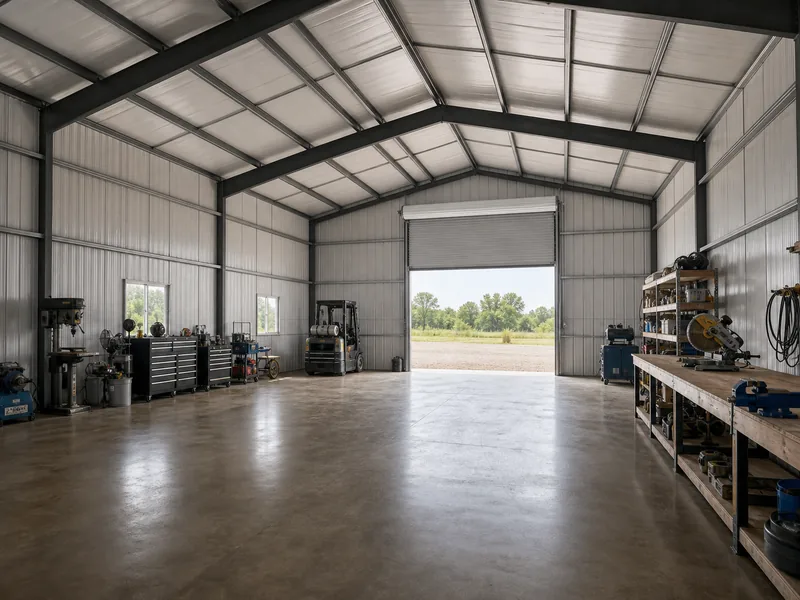
Doors and windows are usually the largest add-ons. Roll-up doors, walk-in doors, and windows each add cost by the opening, and framed openings need extra steel around them, so a building with several large doors prices well above a closed box. Roofing matters too, since panel profile, gauge, and color affect both price and long-term maintenance; the types of metal roofs you choose change how the building sheds weather over its life.
Insulation is the other major finishing decision. Budget roughly $2,500 to $6,000 for a 30×50, more if you specify closed-cell spray foam or build to cold-climate R-values, and more again if you insulate after construction rather than during it. End use sets how far you finish: a garage or workshop may stop at a basic enclosure, while agricultural buildings such as a steel structure chicken house usually need ventilation and interior surfaces a bare shop never adds.
Site Prep, Foundation, and Permits
The costs you pay before the steel arrives — site prep, foundation, and permits — are the ones buyers most often leave out of the budget. For a building this size, all three usually apply.
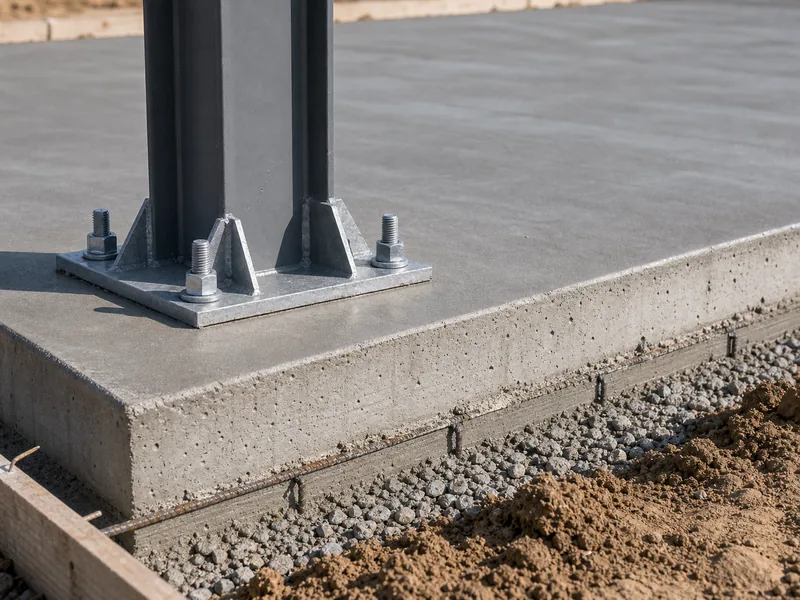
Site preparation comes first, because a metal building needs level, stable ground. Grading, excavation, and drainage are a separate line item, and poor soil, a high water table, slope, or difficult access can raise both the prep and the slab. The slab itself runs about $6,000 to $12,000 for a 30×50, and a thicker or more heavily reinforced pour for heavy equipment costs more.
Permits and engineered plans add roughly $500 to $3,000 in most jurisdictions, and more in large metros or where the building is for human occupancy. Permits and occupancy follow the IBC as adopted locally, and stamped structural drawings are often required for the permit, depending on the authority and the building’s use. The crew matters at this stage too: experienced steel building contractors read the engineered drawings, set anchor bolts to tolerance, and raise the frame without the rework that quietly inflates labor on a poorly run site.
How to Lock Your 30×50 Budget Before You Buy
The two numbers that decide a 30×50 budget are the finish level you are pricing and the loads your site has to meet. Settle the finish level first, because the choice between a shell, an enclosed building, and a turnkey structure explains most of the gap between the low and high ends of the ranges above.
Pin down your local snow and wind loads next, since they drive the steel tonnage in the frame and cannot be value-engineered away once the building is designed. This guide covers the building and its directly related site work, not interior buildout for specialized uses or financing, both of which stack on top of the ranges above. When you are ready to compare real quotes, ask every supplier to price the same scope and the same loads. Then have KAFA’s engineering size the frame to your site, so the tonnage behind the number is something you can actually verify.
Frequently Asked Questions
How much does a 30×50 metal building cost in 2026?
A 30×50 metal building typically costs about $16,000 to $30,000 for a bare shell and roughly $40,000 to $60,000 installed for a finished, turnkey build. Where you land depends on finish level, steel gauge, local loads, and region, so treat these as starting bands and confirm the scope on every quote.
Is the concrete slab included in a 30×50 metal building price?
A concrete slab is almost never included in a base kit price. Budget about $6,000 to $12,000 for a 30×50 slab on top of the building, with a 6-inch reinforced pour often near $9,000 and more for poor soil or heavy-equipment loading.
What is the cheapest way to buy a 30×50 metal building?
The lowest upfront price is a bare structural shell, at roughly $11 to $20 per square foot. Pricing a shell only makes sense when you can supply your own slab, labor, and finishing, because those scopes still have to be paid for before the building is usable.
Do you need a permit for a 30×50 metal building?
A permit is required in most jurisdictions for a building this size. Permit and engineered-plan costs usually run $500 to $3,000, follow the IBC as adopted locally, and rise where the building is designed for human occupancy.
Why do two 30×50 quotes differ so much?
Two 30×50 quotes differ mainly because of scope and engineered loads. A shell quote and a turnkey quote price different buildings, and a frame engineered for high snow or wind carries more steel tonnage, so matching the dimensions is not the same as matching the building.