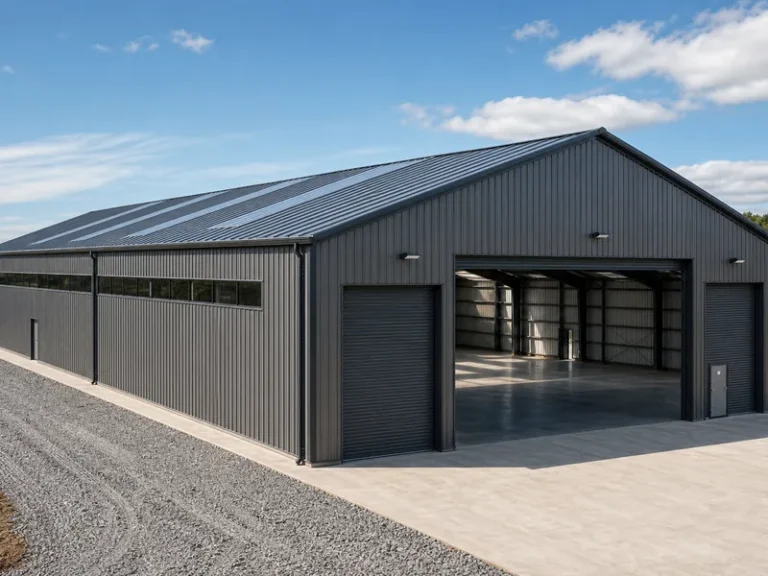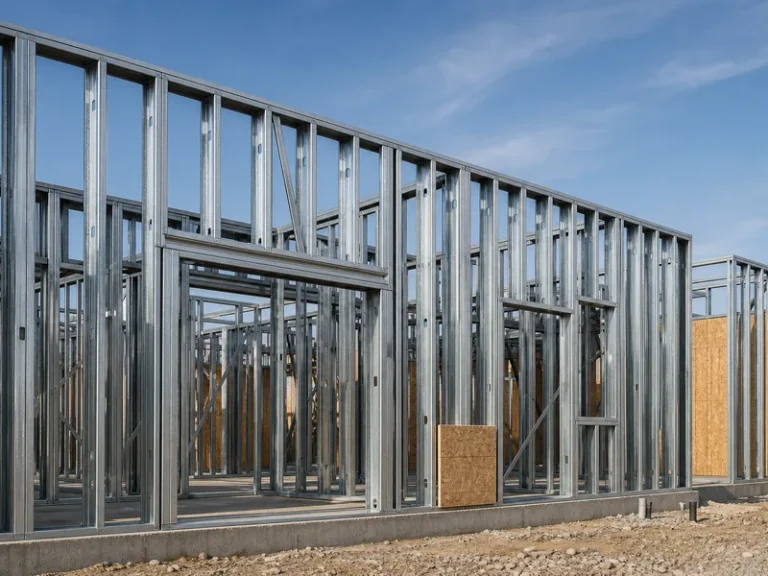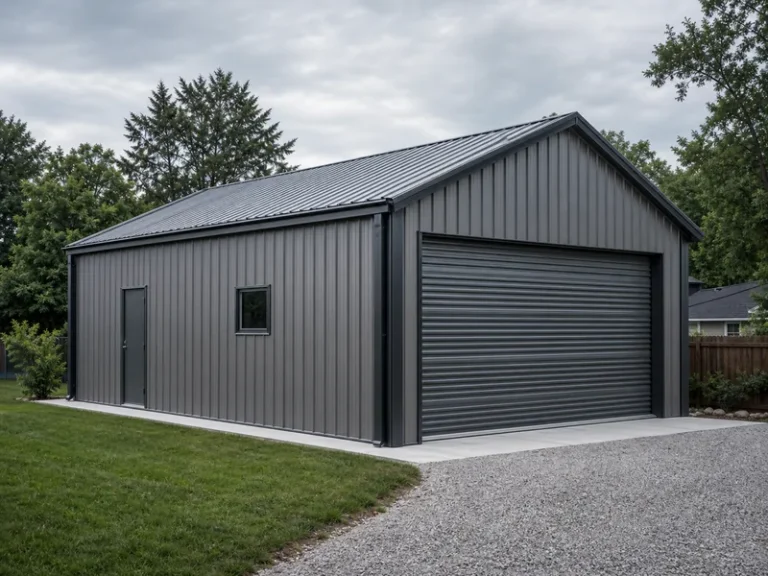





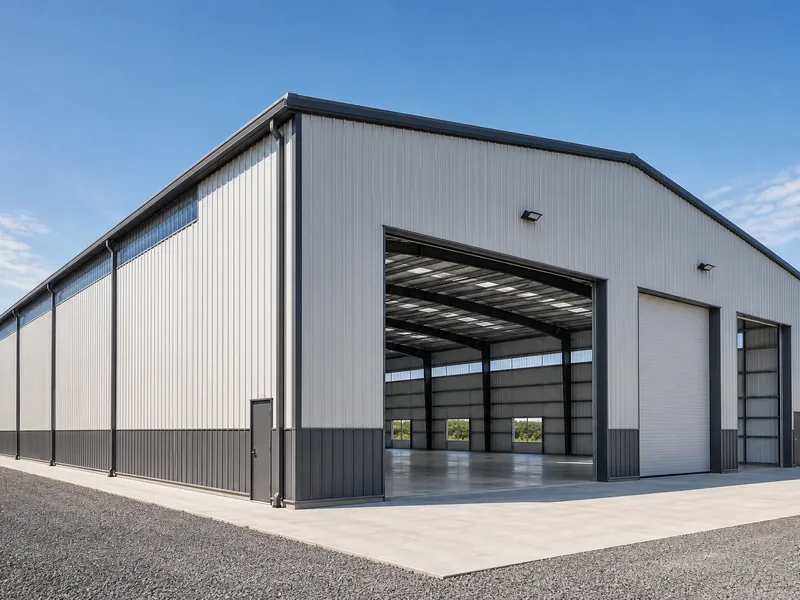
A well-built metal building typically lasts 40 to 70 years, and with consistent maintenance many stay structurally sound for 50 to 100 years or more. The range is wide for a good reason: lifespan depends far more on environment, coating choice, and upkeep than on the steel itself. This guide explains what those numbers mean for metal steel buildings. The sections below cover which factors push a building toward the top or bottom of the range, and how to verify the service life you can realistically expect. It does not cover local code figures or project pricing, both of which vary by site and supplier.
Longevity depends less on the frame alone than on exposed metal building components such as panels, fasteners, flashings, coatings, and trims.
How Long Do Metal Buildings Last on Average?
Most well-constructed metal buildings last between 40 and 70 years, and properly maintained steel structures frequently reach 50 to 100 years. The Metal Building Manufacturers Association puts the figure at six decades or more for metal buildings. None of these numbers are guarantees; they describe what a correctly engineered, properly coated, and regularly inspected building tends to achieve.
The spread between 40 and 100 years is where most of the useful information lives. A building reaches the upper end when its coating system matches its environment and an inspection routine catches small problems early. The same design left unwashed in coastal salt air, or erected on a poorly draining pad, can fall toward the lower end well before its theoretical limit. Treat any single lifespan number as a starting point that your environment and maintenance habits will adjust up or down.
Metal vs. Wood and Concrete: How Building Lifespans Compare
Compared with wood and concrete, steel sits in the long-life tier of building materials without wood’s vulnerability to rot, warping, and pests. The comparison below uses commonly cited industry ranges; actual figures shift with climate, protection, and maintenance, so read them as relative tiers rather than fixed promises.
| Material | Typical lifespan range* | Main trade-off to weigh |
|---|---|---|
| Steel / metal | ~40–100 years | Needs corrosion protection matched to its environment |
| Reinforced concrete | ~50–100+ years | Heavy, and costly to modify or expand later |
| Wood frame | ~20–40 years | Vulnerable to rot, moisture movement, and termites |
\*Ranges are general industry references for whole-building structural life and vary by maintenance and environment.
Steel’s advantage is its predictability, not only the high end of its range. It does not feed a fire the way timber does, a point covered under steel building fire protection, and unlike untreated wood it will not lose strength to moisture. The trade-off is corrosion, which is manageable with the right coating and upkeep.
What Actually Determines How Long a Metal Building Lasts
A metal building’s lifespan is set less by the metal and more by four controllable factors: steel grade, environment, foundation, and ventilation. Each one can move the same structure years in either direction, so it helps to know which lever applies to your site before you commit to a design.
Steel Grade and Material Quality
Steel grade and section thickness govern how a frame carries load and resists deformation, while corrosion resistance comes from the galvanizing, coating, drainage, and environment around that steel. The two are easy to conflate but work separately; a higher structural grade does not by itself make a building more corrosion-resistant. Structural framing commonly relies on grades such as ASTM A572, and panel longevity tracks coating weight and base-metal thickness more closely than headline strength.
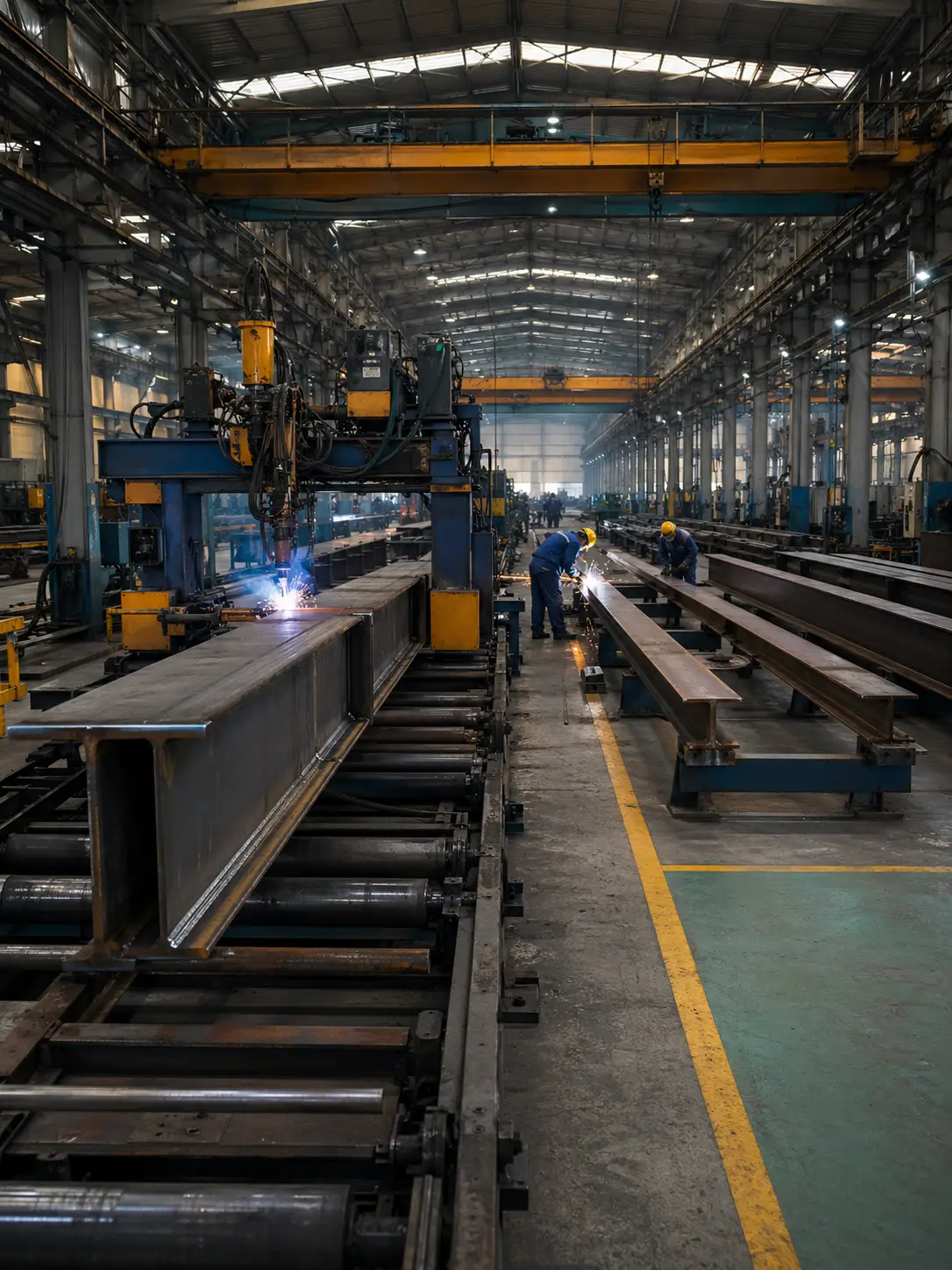
Consistency at the fabrication stage matters here. When framing members, purlins, and steel plate are processed on dedicated production lines, their dimensions and specifications are easier to hold to one standard rather than varying piece to piece. That does not extend service life on its own, but it narrows the manufacturing variables that can otherwise surface as weak points later.
Climate and Environmental Exposure
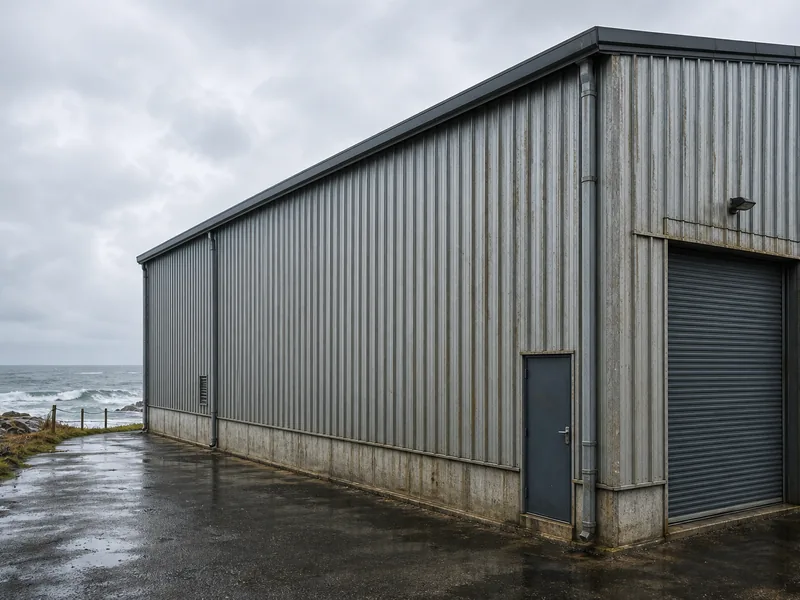
Coastal salt air, industrial pollutants, and persistent humidity are among the most aggressive environments a metal building faces. Salt and airborne chemicals accelerate corrosion at any exposed or scratched surface, while high wind and snow regions place repeated structural demands the frame must be designed for. Designing for the right environmental loads, including wind, is a lifespan issue as much as a safety one, which is why steel building wind load belongs in the early design conversation rather than after the fact.
Foundation and Site Preparation
A foundation that drains poorly shortens building life from the bottom up, long before the upper structure shows any wear. Standing water and saturated soil keep column bases and anchor points wet, which is exactly where corrosion likes to start. Proper grading, drainage away from the slab, and a correctly sized foundation protect the part of the building you can least easily inspect.
Insulation and Ventilation
Trapped condensation inside a poorly ventilated building corrodes panels and framing from the inside, where it goes unnoticed for years. Insulation and a working vapor strategy keep interior moisture from condensing on cold steel, particularly in buildings that swing between heated and unheated states. Ventilation is not a comfort detail here; it directly governs how long interior steel stays dry.
Protective Coatings and Corrosion Resistance
Corrosion is the main threat to a metal building’s lifespan, and protective coatings are what hold it off for decades. The common belief that metal buildings rust quickly applies only to unprotected steel; galvanized and properly coated steel behaves very differently. Galvanizing adds a zinc layer that can need little coating maintenance for decades in low-corrosion inland settings, with that interval shrinking as the environment turns more industrial or marine. The galvanizing industry publishes corrosion categories that map a site’s environment to the service it can expect before first maintenance.
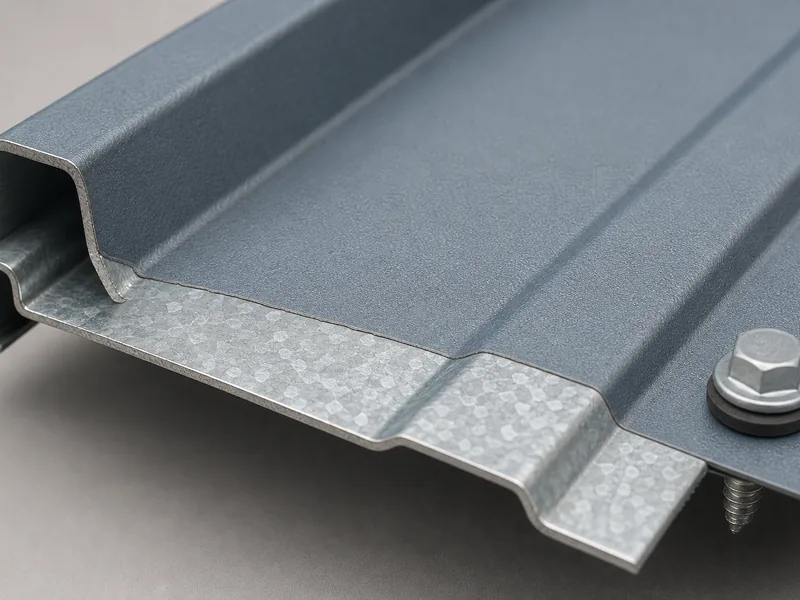
Panel finishes carry their own service lives. Galvalume substrates perform for decades in most environments, while top-coat resins differ widely: PVDF and Kynar 500 class paints generally deliver decades of fade and chalk resistance, whereas lower-cost finishes such as SMP carry shorter expectations. Choosing between coating routes is its own decision, and the practical trade-offs of galvanizing vs painting steel are useful to understand before specifying a system.
In high-humidity or coastal settings, fasteners, panel laps, and cut edges corrode first, well before the open field of a panel shows anything. Those are the spots to specify carefully and inspect early, because a coating system is only as durable as its weakest detailed edge.
Matching coating, inspection, and washing to the site is easier against a single reference point:
| Site exposure | Coating priority | Inspection focus | Washing rhythm |
|---|---|---|---|
| Inland, low-corrosion | Standard galvanized and paint system | Seasonal walkaround | Occasional, as dirt builds up |
| Industrial or humid | Heavier coating; watch interior condensation | Fasteners, joints, interior panels | More often than once a year |
| Coastal or marine | Highest corrosion-rated coating available | Cut edges, panel laps, and fasteners first | Frequent rinsing to clear salt |
Maintenance That Extends a Metal Building’s Lifespan
Maintenance is the most controllable factor that moves a metal building from the low end of its lifespan range to the high end. None of it is complex, but it has to be routine rather than reactive, because clogged gutters and standing water at the base do more quiet damage than any single storm. A workable rhythm looks like this:
- Inspect at least twice a year, in spring and fall, and again after major storms; after high wind, check fasteners and cut edges first, since they move before the panel field does.
- Wash exterior panels at least annually, and more often near coastlines, to clear salt and chemical residue before it sits on the coating.
- Re-evaluate sealants and top-coat condition on a multi-year cycle, repairing panel laps and roof penetrations before water finds a path in.
- Keep gutters, downspouts, and base drainage clear so water never pools against column bases, where the corrosion you can least easily see tends to start.
- Check fasteners and caulked joints during each inspection, since these details loosen and weather earlier than the panels they hold.
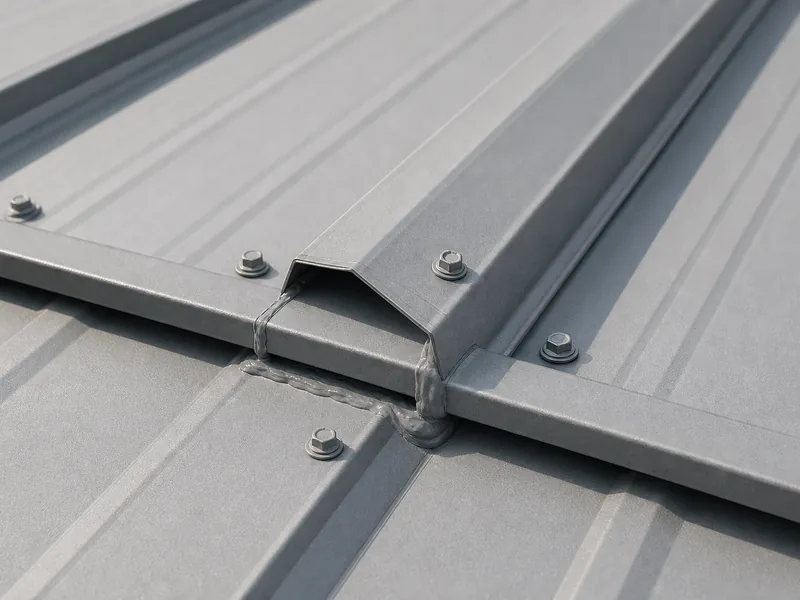
The aim here is rhythm and priorities, not a full task-by-task schedule; that goes beyond one article and is useful to build around your specific site and climate.
Warranties and the Long-Term Value of Metal Buildings
Manufacturer warranties signal expected lifespan, but they cover specific failure modes rather than the whole building. Coverage is usually split across categories such as rust-through perforation, paint adhesion, and chalking or color change, with term lengths that vary by supplier, panel system, finish, and contract exclusions. Some paint and substrate warranties run for decades, but the headline number means little until you read what it actually covers and where it stops.
Long-term value follows the same logic. When a building is held for the long term, a coating system matched to its environment and a frame engineered for local loads can reduce the risk of unplanned repairs and early replacement, though no design removes the need for upkeep. That durability is one of the central benefits of steel buildings; the cost question is rarely the sticker price alone, but the total spent across the decades the building actually serves.
Conclusion
How long a metal building lasts depends on three levers you control: the corrosivity of its environment, the coating system specified for that environment, and the maintenance rhythm after it goes up. Start by assessing the site’s corrosion exposure honestly, because that single judgment drives both the coating you should specify and how often you will need to inspect and wash the building. Get those three aligned and the 50-to-100-year range stops being a marketing figure and becomes a realistic expectation.
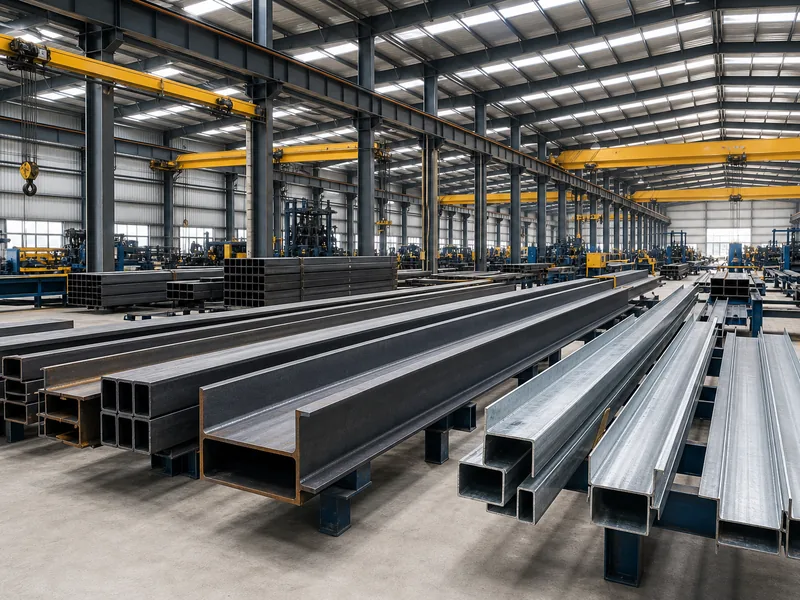
The fabrication baseline matters before any of that begins. KAFA designs and fabricates light and heavy steel structures in-house under documented quality procedures, with dedicated H-beam, box-section, C/Z purlin, and steel-plate processing lines. Controlling those manufacturing variables at the factory narrows what maintenance has to correct later, even though environment and upkeep still decide where a building lands in its service-life range.
Frequently Asked Questions
Do metal buildings rust over time?
Unprotected steel rusts, but galvanized and properly coated metal buildings resist corrosion for decades. The zinc layer in galvanizing and the resin top-coats on panels are designed specifically to hold rust off. Any corrosion that does occur depends on the local environment and on whether scratches and cut edges are maintained.
What shortens the lifespan of a metal building?
Corrosive environments combined with neglected maintenance shorten lifespan faster than anything else. Coastal salt air, industrial exposure, poor site drainage, trapped interior condensation, and skipped inspections each pull a building toward the bottom of its range, and they compound when more than one is present.
How long do steel frame buildings last without major repairs?
A well-built steel frame commonly runs decades before major structural repair, often in the 40-to-70-year band, provided coatings are maintained. The frame itself rarely fails first; panels, fasteners, sealants, and coatings reach their service limits earlier and are the items typically refreshed along the way.
Is a longer lifespan worth the higher upfront cost of a steel building?
A longer lifespan usually justifies the higher upfront cost when the building is held for the long term. Spreading the initial investment across a 50-to-100-year service life, with lower vulnerability to rot, fire, and pests, generally lowers the total cost compared with materials that need earlier replacement.
How much maintenance does a metal building really need?
A metal building needs modest but consistent maintenance, centered on inspections roughly twice a year plus periodic washing and sealant checks. The work is light relative to many materials, but it has to be routine; the difference between the low and high end of the lifespan range is largely the difference between reactive and scheduled upkeep.