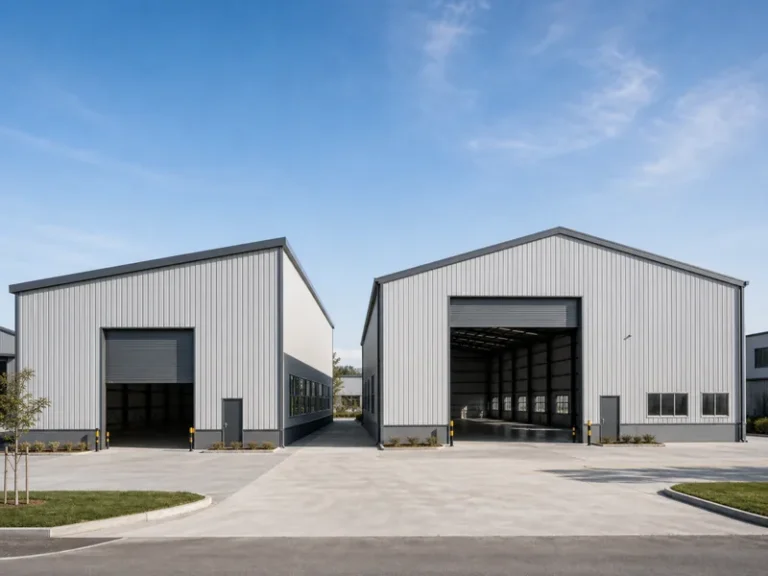





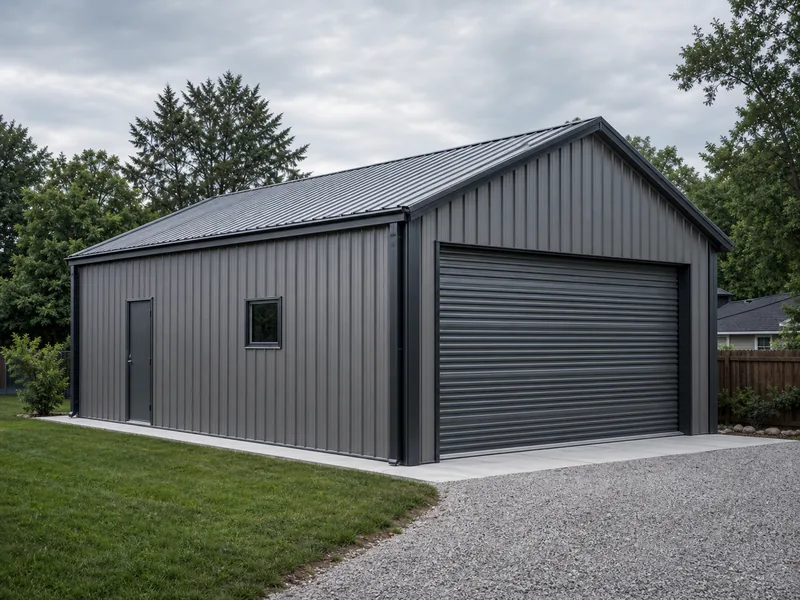
A metal garage usually costs about $6,000 to $10,000 for a basic single-car building once it is enclosed and installed. A two-car build commonly runs roughly $15,000 to $27,000. A 30×30 shell kit covers only the steel package and now pencils closer to $14,000 to $18,000 before slab or finishing. The wide spread usually comes from scope: shell kit, installed shell, and turnkey building are three different prices, even when the footprint is identical.
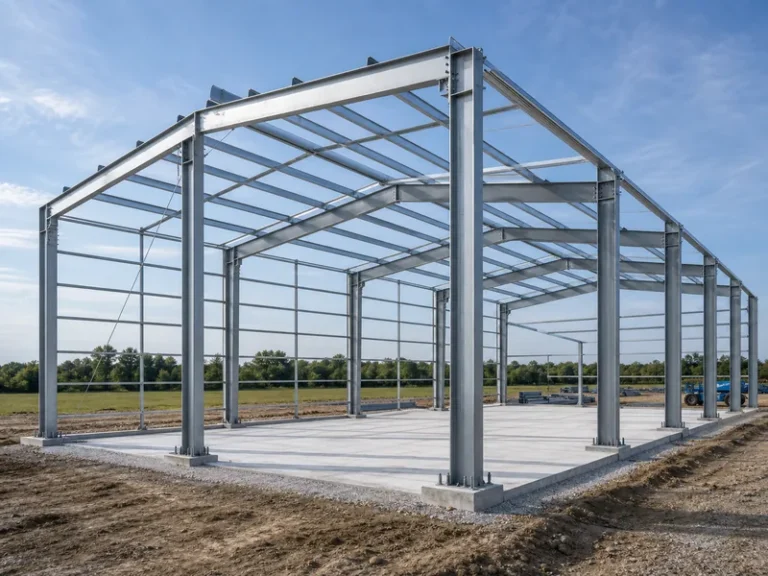
A garage budget is easier to compare after the metal building foundation scope is separated from the kit, doors, insulation, and interior finish.
Cost scope note: Treat the ranges below as scope-specific planning numbers. Kit or shell figures exclude the slab, site work, delivery, permits, insulation, utilities, and interior finish unless the line item says otherwise. Heavy loads, poor soil, tight access, and custom openings can move a quote above the base band.
What a Metal Garage Costs by Size (One-Car to Three-Car and Workshop)
A metal garage’s price scales with its footprint, so size is the first number to settle before any quote means much. As a rough planning range, a basic single-car building (around 12×20 to 12×22) commonly lands near $6,000 to $10,000 once it is enclosed and installed, while a two-car build in the 20×20 to 24×24 range often falls between roughly $15,000 and $27,000. A 24×24 is the size most “two-car” buyers end up pricing. Step up to a 30×30 shop-style garage and the bare steel kit alone tends to run about $14,000 to $18,000 before a slab or any finishing. Very small open base kits can start far lower, but those numbers describe a different product than a closed, installed garage.
| Size (approx.) | Typical use | Planning range | Scope of that figure |
|---|---|---|---|
| 12×20 – 12×22 | 1-car | $6,000 – $10,000 | enclosed and installed |
| 20×20 – 24×24 | 2-car | $15,000 – $27,000 | enclosed and installed |
| 30×30 | 2–3 car / small shop | $14,000 – $18,000 | shell kit (steel only) |
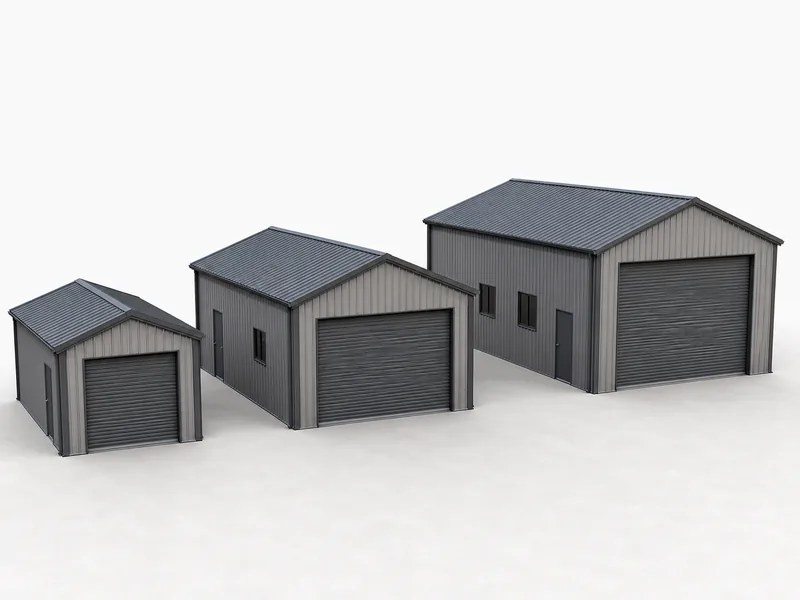
Use the figures as planning bands, because roof style, steel gauge, and local load requirements can move any row. Width matters more than buyers expect. A genuine two-car garage wants more than a bare 20×20 once you allow for door swing, wall framing, and room to walk between vehicles, so price the size you will use instead of the minimum that fits two cars on paper. For how footprint choices scale across steel buildings in general, our guide to metal building sizes goes deeper, and our 30×50 metal building cost breakdown covers spans larger than a typical garage.
Kit, Installed, and Turnkey Pricing Use Different Scopes
A kit price and an installed price answer two different questions, which is why the same footprint can carry very different numbers. A shell kit covers the engineered steel (frame, panels, fasteners, and trim) delivered to your site for you or a crew to erect. An installed price adds the labor to put it up. A turnkey price goes further, folding in the concrete slab, delivery, and sometimes permitting, so the building is closer to ready-to-use. Compare them per square foot only after scope is separated:
| Pricing scope | Typical per-square-foot range | What the figure includes |
|---|---|---|
| Shell kit | $15 – $20 / sq ft | engineered steel only |
| Installed / turnkey | $24 – $43 / sq ft (per some industry guides) | adds slab, delivery, and erection |
| Erection labor (line item) | $5 – $10 / sq ft | professional assembly of the steel |
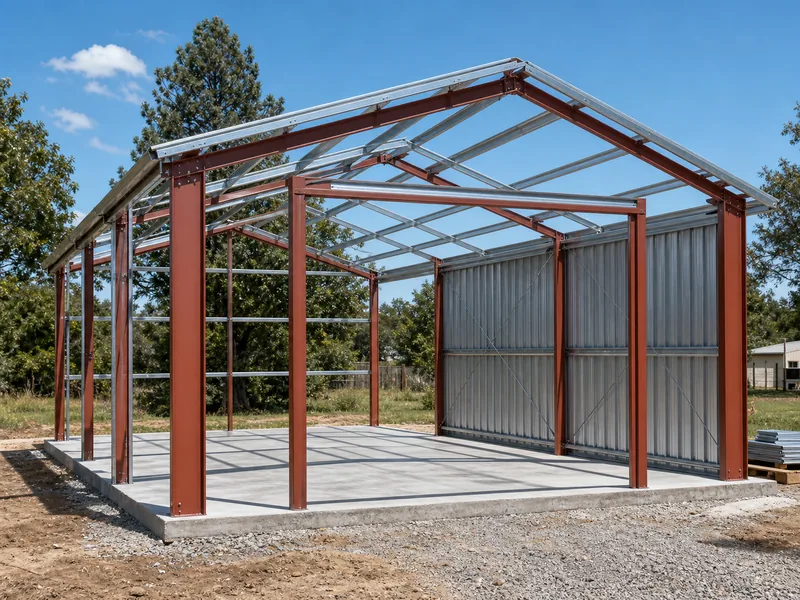
Scope also explains why a bigger building can look cheaper on paper. A 30×30 shell kit near $14,000 to $18,000 prices only the steel, while a smaller two-car building quoted at $15,000 to $27,000 may already include enclosure and installation. The footprints suggest one comparison, but the scopes tell another. Who does the work matters too. Erecting a kit yourself saves on labor if you have the equipment and experience, while hiring a general contractor adds a markup for managing the job. Before you react to any number, confirm which scope it describes.
What Drives Metal Garage Cost Up or Down
Beyond size, a handful of variables move a metal garage quote more than anything else, and they behave the same way across small garage and workshop-scale prefab metal buildings. Each one traces back to the steel in the frame and the demands your site places on it:
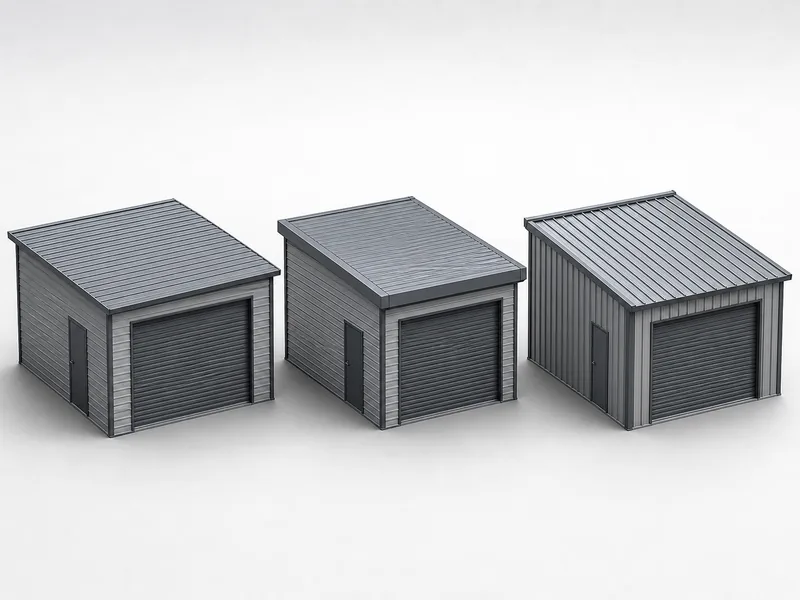
- Roof style: regular roofs are the most affordable, boxed-eave sits in the middle, and vertical roofs usually cost more because their panels run top to bottom, so water and snow shed off the seams instead of pooling. Certified snow-load performance still depends on the engineered frame, gauge, purlin spacing, and anchoring, not the roof profile alone, so the same types of metal roofs trade-offs apply to any steel building.
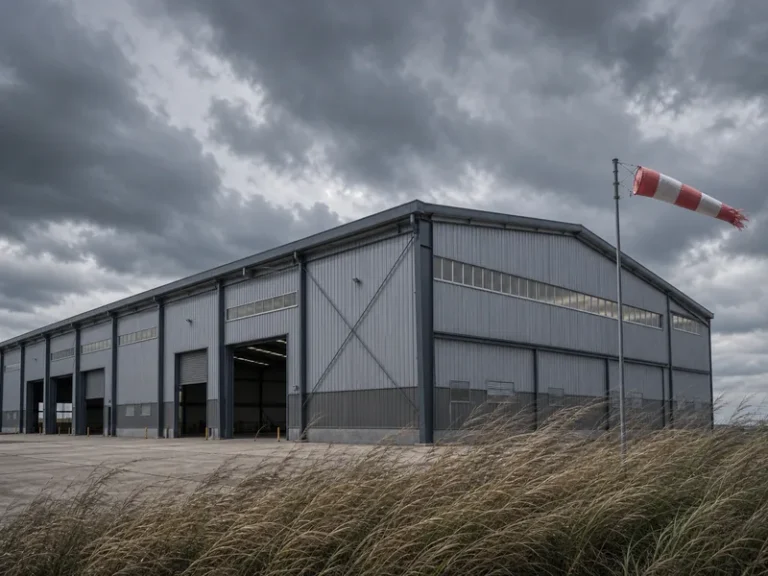
- Steel gauge and load rating: a 14-gauge and a 12-gauge frame can wrap identical dimensions, but heavier gauge only supports a higher rated design when it is paired with the required purlin spacing, bracing, connections, and anchoring. Where local code calls for higher wind or snow loads, those heavier members and extra bracing show up in both the steel tonnage and the labor.
- Location: your site sets the wind, snow, and seismic loads, the building codes, the labor rates, and the taxes, all of which move the number before a single panel ships.
- Steel prices: because the frame is the core of the product, swings in commodity steel pricing push the baseline up or down regardless of design.
- Openings and height: every garage door, walk door, and window is a framed opening that adds cost, and taller walls mean more steel.
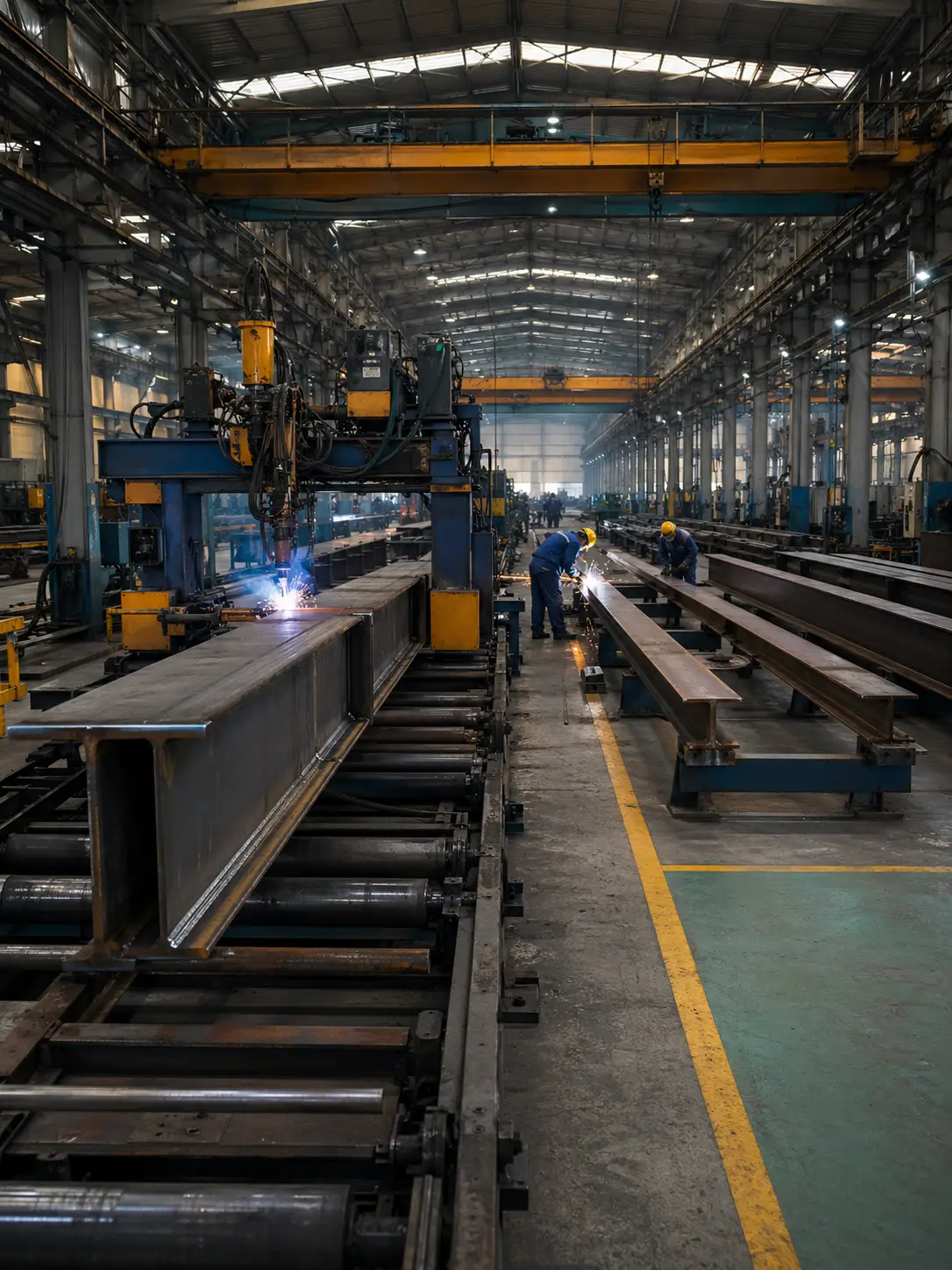
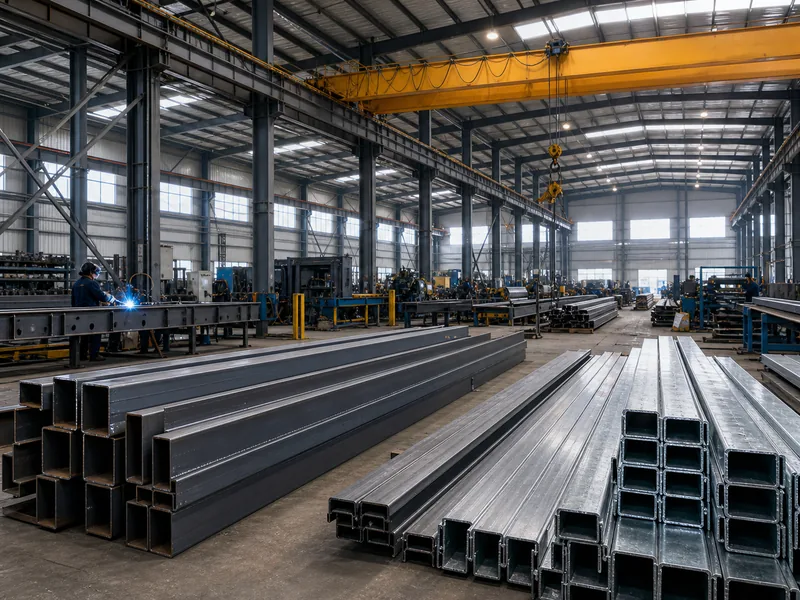
Frame engineering is the part of a quote a fabricator controls. For garage or workshop designs that require these structural members, KAFA’s Qingdao facility processes H-beam, box sections, and C/Z-section purlins, cutting them to the span and load the build calls for, so the heaviest cost drivers, frame weight and load rating, come from engineering instead of guesswork.
The Costs a Kit Price Usually Leaves Out
A kit price covers the steel, not the slab it sits on, and the gap between the two is where budgets slip. The line items that often arrive separately:
- Concrete slab: usually quoted on its own, commonly around $4 to $8 per square foot, and almost never bundled into a bare kit price.
- Permits: vary widely by jurisdiction, from a few hundred dollars in small towns to a couple thousand or more in larger cities.
- Erection labor: professional assembly of the steel commonly runs about $5 to $10 per square foot if you are not building it yourself.
- Insulation: priced by type and square footage, from economical fiberglass batts up to higher-cost spray foam, and only needed if you plan to condition the space.
- Doors and delivery: garage and roll-up doors range from a few hundred to several thousand dollars each, depending on size and type. Delivery is usually a modest share of the package that grows with distance.
Site preparation can be a line of its own as well, since grading or clearing an uneven lot is rarely part of a building package. Erection in particular is useful to price separately, and our breakdown of the labor cost for erecting a metal building shows how it scales with size. None of these costs are hidden in a bad-faith sense. They sit outside the steel package, which is what separates a kit quote from a finished-building budget.
How to Read a Metal Garage Quote Before You Compare Prices
Comparing metal garage quotes only works once every quote describes the same build, so line these specifics up before you let price decide:
- Footprint and wall height: the same dimensions and eave height on every quote.
- Roof style: regular, boxed-eave, or vertical across all of them.
- Gauge and engineered load rating: the wind and snow category your local code requires.
- Door and window count: the same framed openings, with sizes spelled out.
- Slab and site prep: in or out, and who pours it.
- Delivery and installation: bundled into the price, or billed later.
- Permit responsibility: yours or the supplier’s.
With those seven points written down, two quotes finally describe the same building. Without them, the lowest number often wins by leaving something out.
Compare One Scope Sheet, Not Three Prices
The metal garage budget lives in the scope behind the headline price. If you only confirm a few things before comparing quotes, confirm these three: the pricing scope (shell kit, installed, or turnkey), the engineered load rating your location requires, and whether the concrete slab is in or out. Those move the number more than anything else, and they are the items quotes often define differently.
A workable path is to write your footprint, roof style, wall height, gauge and load rating, door and window count, slab inclusion, and delivery terms into a single request for quote. Then have every supplier price against that same sheet. From there, KAFA can price the load-rated frame directly, along with the H-beam, box sections, and C/Z-section purlins it fabricates under documented quality procedures where a design calls for them. That way you see which line items move your metal garage quote and which ones you can adjust.
FAQ
How much does a metal garage cost on average?
A metal garage typically runs about $6,000 to $10,000 for a basic single-car building installed, $15,000 to $27,000 for a two-car build, and around $14,000 to $18,000 for a 30×30 shell kit before slab and finishing. Confirm which scope each number uses before comparing two of them, because a bare kit and an installed building are not the same price.
Does the price include a concrete slab or foundation?
A bare kit price almost never includes the concrete slab, which is usually quoted separately at roughly $4 to $8 per square foot. Ask whether the quote covers the slab, and whether anchor bolts and any edge thickening for the frame are included, since those details change the foundation cost.
Do I need a permit for a metal garage?
Many jurisdictions require a permit for a metal garage, so confirm with your local building department before you order. Ask which wind and snow load category they require, because that rating feeds straight back into the frame and the price.
Is a metal garage cheaper than a wood garage?
A bare steel kit is often cheaper than a comparable fully site-built wood garage, though the comparison shifts once you add the slab, insulation, doors, and finishing. Compare like for like, a finished steel building against a finished wood one, instead of a bare kit against a completed structure.
Why do quotes for the same size vary so much?
Quotes for the same footprint differ mainly because they describe different scopes (shell kit, installed, or turnkey) and different roof styles, gauges, and load ratings. Put every quote on the same footprint, roof style, gauge, door count, and slab terms, and most of the gap closes.