




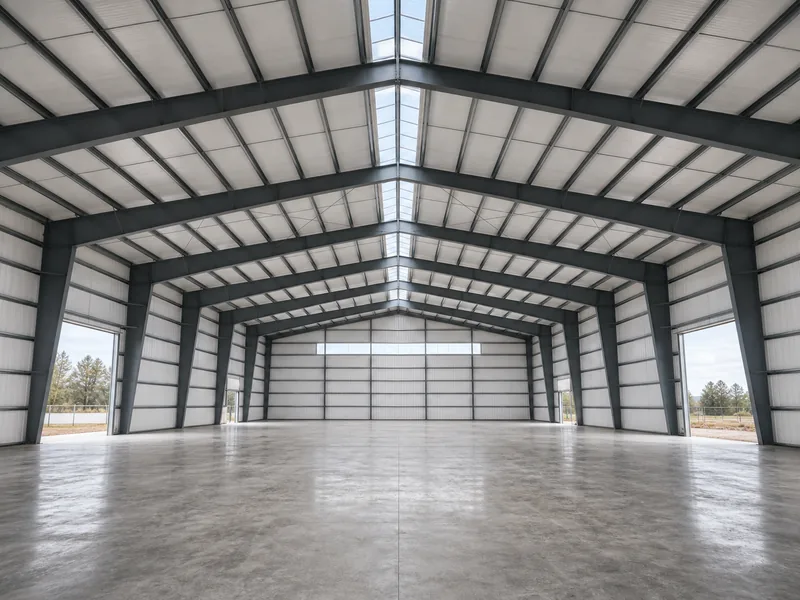
Clear span building cost usually lands between $12 and $25 per square foot for the steel package, but that single figure hides most of what buyers actually pay. The span width, the loads your site has to carry, and whether a quote covers just the kit or the finished building each change the total more than the per-square-foot headline suggests. This guide breaks down what a clear span building costs, what those numbers include, and which variables to settle before you compare bids. It focuses on price; it does not walk through slab construction methods, mechanical systems, or local permitting line by line, because those depend on your site and jurisdiction.
What a clear span building is — and why the span drives cost
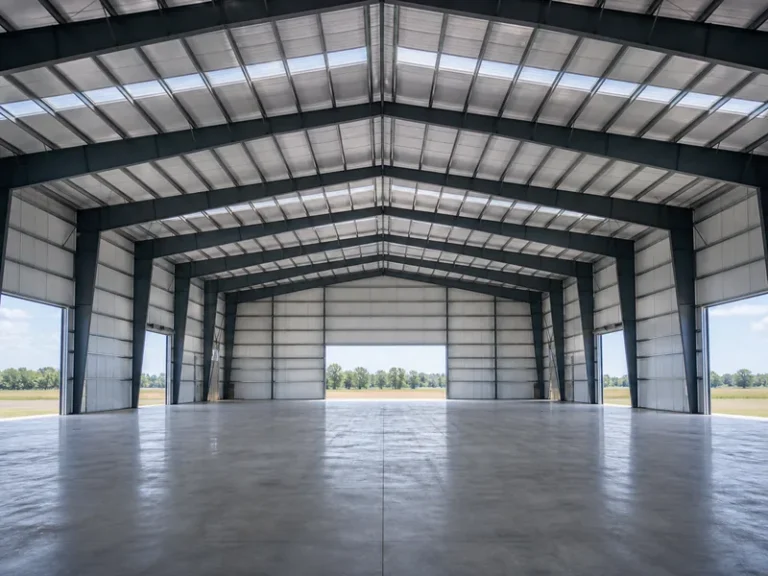
A clear span building encloses its entire width with no interior columns, which is exactly why the span, not just the floor area, drives so much of the price. The roof and walls hand their loads to frames at the perimeter, so the wider the unobstructed span, the heavier those frames must be to carry the same roof within deflection limits. A 40-foot span and a 120-foot span can sit on the same acre, yet the wider one needs noticeably more steel per square foot.
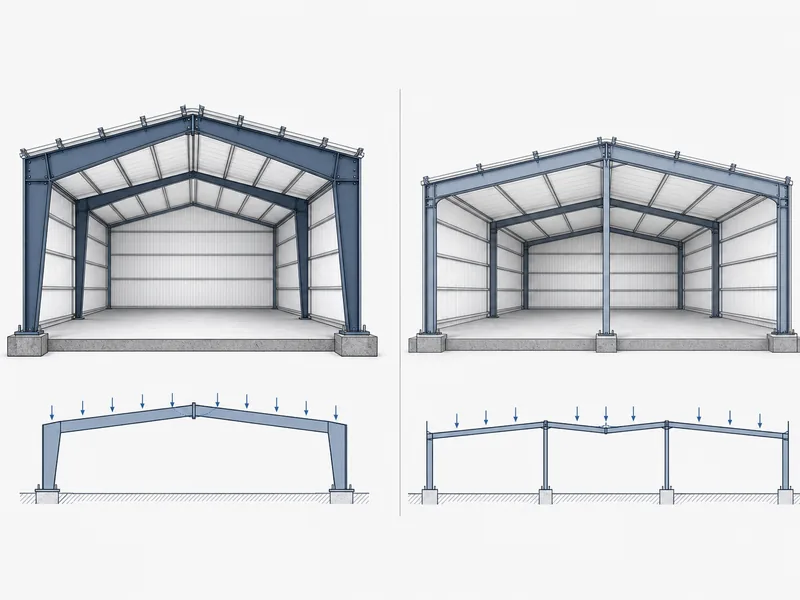
That relationship is not linear. Once a free span pushes past roughly 150 feet, designs usually shift from standard rigid frames toward custom-engineered sections, and steel weight per square foot climbs faster than the floor area grows. Clear spans of around 300 feet are achievable, but the tonnage and engineering behind them sit in a different cost class from a typical 60- or 80-foot building. The span you choose is a cost decision before it is an architectural one.
Clear span building cost per square foot: kit, installed, and turnkey
Most clear span building quotes fall between $12 and $25 per square foot for the steel kit alone, and that “kit” figure is the one buyers most often mistake for the finished price. A kit covers the engineered frames, purlins, bracing, fasteners and panels — not the slab, not freight, not the crew that stands it up. Read three quotes side by side and you may be comparing a bare package against a building that is ready to use.
Installed and turnkey numbers tell a fuller story. Installed pricing — the kit plus a concrete slab, delivery and erection — commonly runs from the mid-$20s per square foot upward, depending on how much of the slab, site work and finish the price absorbs. Heavy or highly finished projects run higher still. Turnkey adds the soft costs on top: permits, stamped engineering, site grading and sometimes interior finish. The practical check before comparing any two bids is whether each one includes the slab, anchor bolts, freight and erection, or only the steel; a bare kit rate and a turnkey rate are not describing the same building. For a defined footprint, a worked example such as a 30×50 metal building cost breakdown shows how quickly those layers stack on top of the base rate.
What goes into the price: the cost components that add up
The steel frame is the single largest line item in a clear span building, but five other components routinely decide where a quote lands in its range. Reading a bid by component, rather than by the headline rate, is the fastest way to see why two buildings of the same size carry different prices.
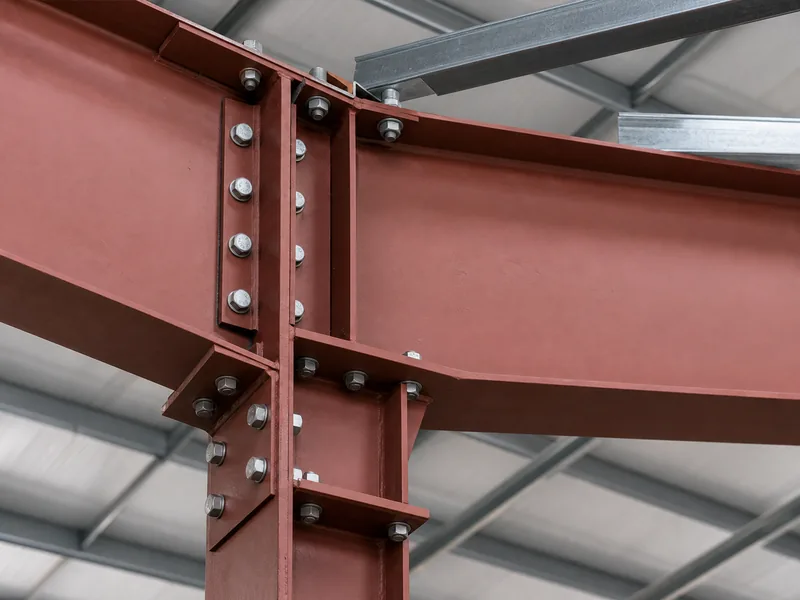
- Primary frame and secondary steel: rigid frames carry the span while purlins and girts (often C- or Z-sections) tie the structure together. Wider spans and higher loads show up here first, as heavier sections.
- Foundation: a concrete slab typically runs about $4 to $8 per square foot, and it thickens as span and loads grow.
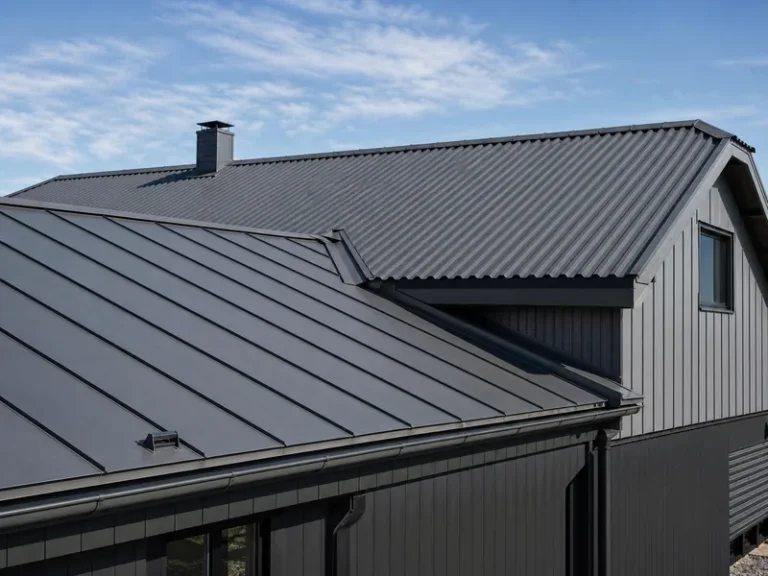
- Roof and wall cladding: panel gauge, finish and insulation each add to the cladding bill, and the types of metal roofs you specify affect both upfront cost and long-term upkeep.
- Erection labor: regional crews vary widely, often quoted around $5 to $15 per square foot when not already bundled into the kit.
- Openings and accessories: large or specialty doors, windows, skylights and vents can each add thousands, depending on size and type.
- Permits and engineering: local permit fees and stamped drawings usually run from a few hundred to a couple thousand dollars, set by your jurisdiction.
Before signing, ask each supplier to confirm which of these — slab, anchor bolts, freight, erection, insulation and permits — sits inside the quoted figure and which is billed separately. A bid that marks every line as included or excluded is far easier to compare than a single headline rate.
What a clear span building costs by size and use
Building size and intended use spread clear span costs across an enormous range, from a few thousand dollars for a small farm shelter to seven figures for an aviation or arena span. Use matters because it sets the loads, the openings and the finish, not because the label itself carries a price.
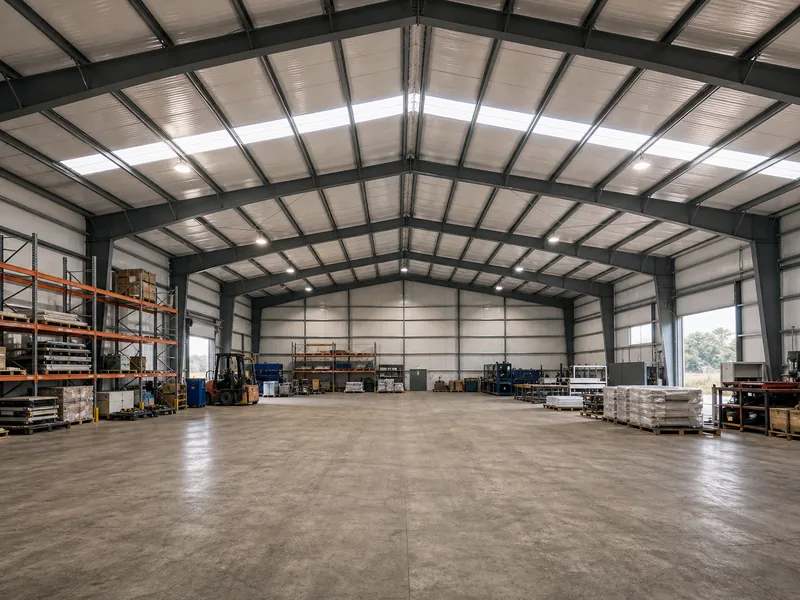
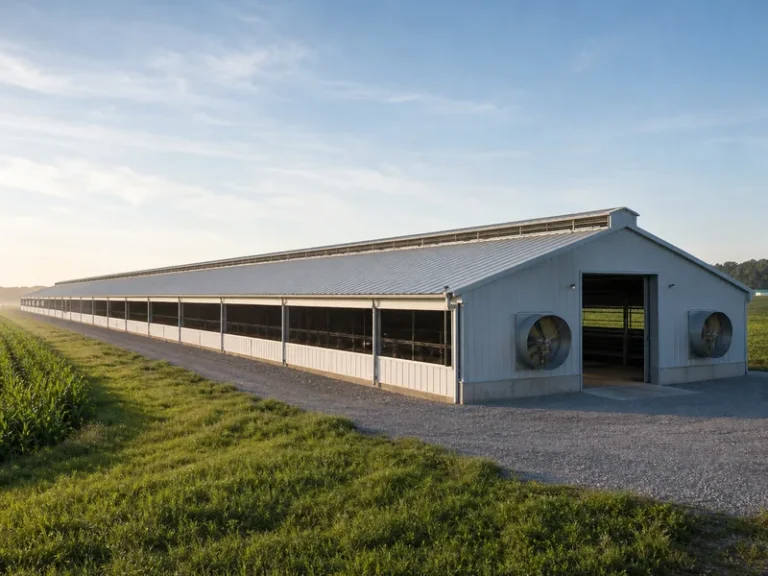
Smaller agricultural and storage buildings sit at the low end, often in the $10 to $20 per square foot range for simple, lightly finished structures. A bare equipment shed or a steel structure chicken house carries light roof loads, a basic slab or even a dirt floor, and little insulation, so the frame stays light and the per-foot cost stays down.
Commercial and industrial buildings climb from there as spans widen and finish is added. Insulation, interior partitions, higher floor loads for equipment, and fire protection each add steel, labor or both, and heavy industrial spans with special reinforcement can run well past $50 per square foot. Crane beams and mezzanines, common in industrial spans, add framing and load that a bare shell never carries, so they belong in the quote from the start. Here the gap between a bare shell and a finished building is widest, which is why the quote scope matters as much as the footprint.
Hangars and arenas sit at the top, driven less by floor area than by clear height and openings. An aircraft hangar needs a wide, tall door opening and the headroom to move aircraft, which forces heavier framing and bracing around that opening. A clear span arena or recreation center pairs a very wide column-free span with the height for seating or play, so the span and the eave height push frame weight up together. Taller clear heights also deepen the footings and anchor design, so the foundation climbs along with the steel. Treat any single example as a starting point, then price your own configuration rather than a published one.
The cost drivers that move your quote the most
Span width, eave height, and local wind or snow loads add more steel to a clear span quote than almost any cosmetic choice a buyer makes. Each one drives up the frame weight, which is where the money goes.
- Span width: wider free spans need heavier frames, with the sharpest jump past roughly 150 feet.
- Eave height: taller walls add both steel and wind exposure.
- Wind and snow loads: in coastal or high-snow regions, frames and fasteners get sized up before anything else, so two identical-looking buildings can price differently purely on their location’s loads. Structural loads are typically designed to ASCE 7, with permitting under locally adopted codes such as the IBC.
- Certification and customization: engineered certifications, unusual geometry and added openings each raise the bill.
Two practical factors change the installed price without touching the frame at all. Delivery distance and site access decide freight and whether a crane can reach the slab easily, so a remote or tight site adds mobilization and handling that a per-square-foot rate never shows. Late changes do the same: revising span, height or openings after engineering has started reprices the steel and resets the schedule. A buyer who fixes the span and loads early, and freezes the scope before fabrication, gets quotes that are genuinely comparable; one who leaves them open gets numbers that drift with every revision.
How to bring clear span building cost down without cutting structural margin
Real savings on a clear span building come from configuration decisions made before fabrication, not from thinning the steel that carries the load. The frame is sized to the span and the code-required loads, so trimming it to hit a number is where buildings get into trouble.
The levers that lower cost safely are mostly about scope and shape. A simple rectangular footprint with a standard roof pitch uses steel more efficiently than a complex outline. Ordering only the span you actually need, rather than rounding up, avoids paying for frame weight you will never use. Bundling slab, erection and freight into a single scope makes bids comparable and often cheaper than piecing them out later. Putting that frozen scope out to two or three suppliers gives you real leverage instead of a single guess. Insulation and interior finish can be staged after the shell is standing, spreading the spend. What should not flex is the load design: the wind, snow and seismic figures come from the site and the code, not from the budget.
Pricing your clear span building: what to lock down first
Pricing a clear span building comes down to locking three things before you compare bids: the span and its loads, the scope each quote covers, and the level of finish you actually need. Of these, the span-and-load pair is the least forgiving — it sets the frame weight that dominates the steel package, and it is the variable buyers most often leave vague. Settle it first, then decide whether you are buying a kit, an installed shell, or a turnkey building, because that scope choice explains most of the gap between two per-square-foot numbers. When you weigh figures from different metal building suppliers, line up the scope before the price.
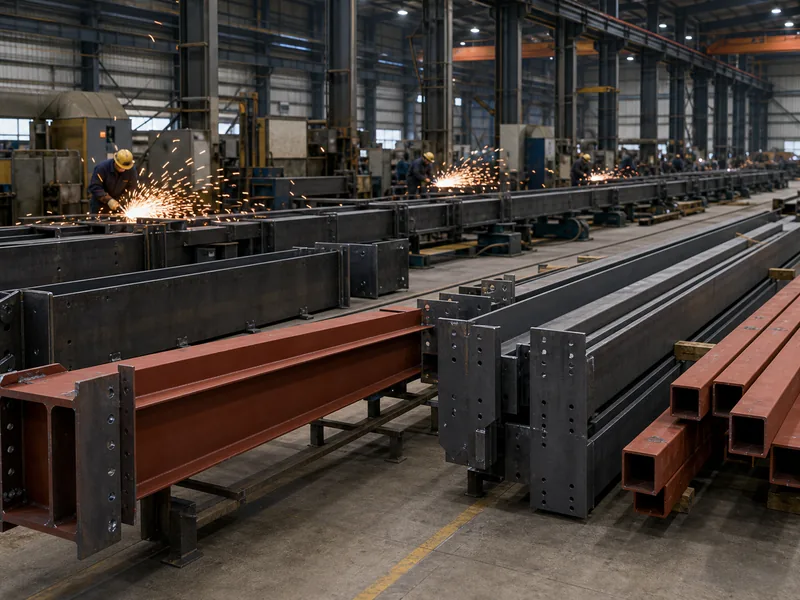
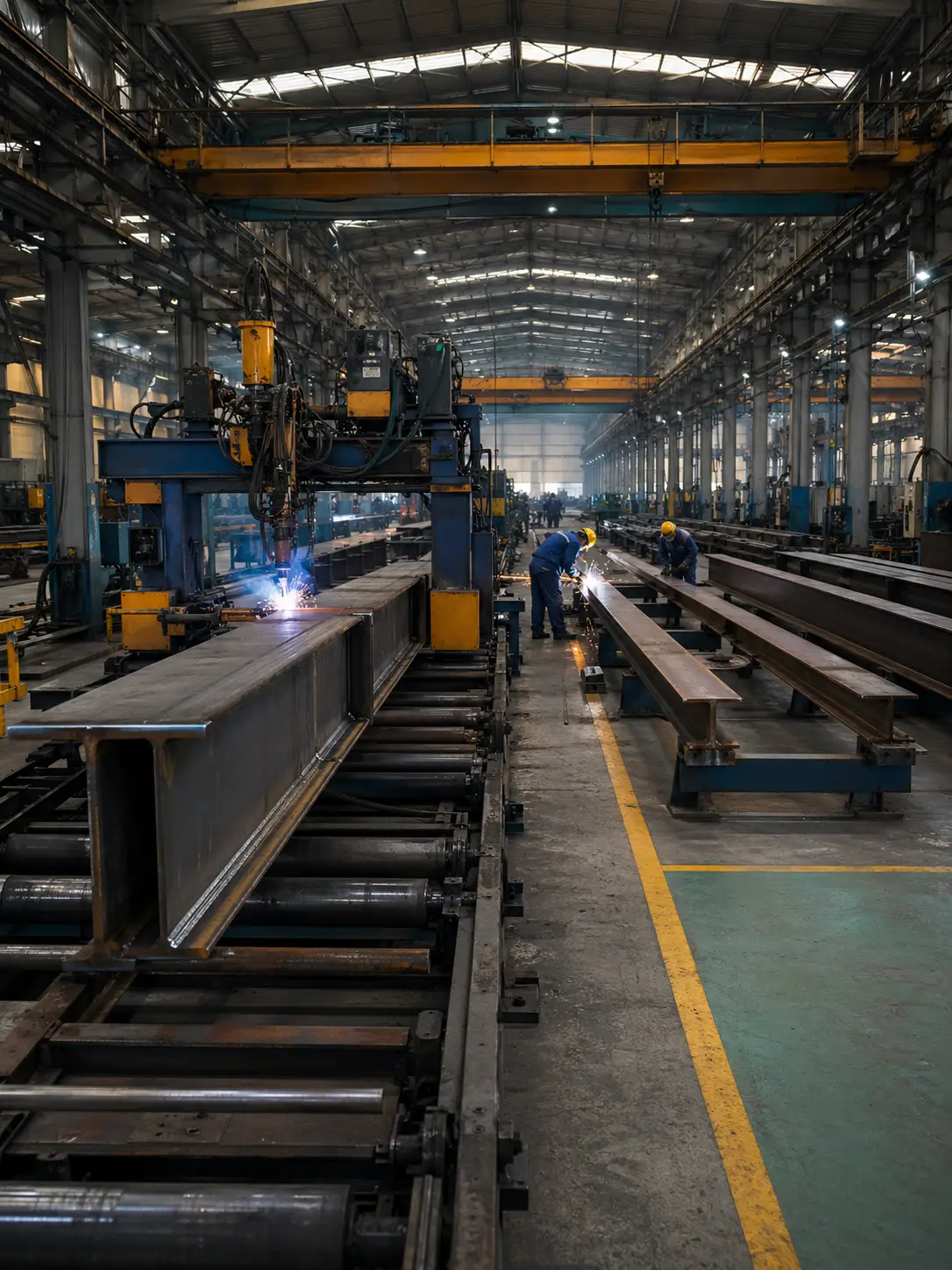
At KAFA, we design, fabricate and install light and heavy steel buildings, so a clear span quote can be tied to a specific frame and load case rather than a generic per-foot rate. That control comes from handling design, fabrication and installation in-house, on dedicated H-beam, box-section and C/Z purlin lines at our 20,000 m² Qingdao facility under ISO 9001:2015 quality management. If your numbers still hinge on an unconfirmed span or load, that is the figure to pin down before anything else moves.
Frequently asked questions
How much does a clear span building cost per square foot?
Clear span building kits generally run between $12 and $25 per square foot, while installed or turnkey pricing typically runs higher, from the mid-$20s per square foot upward depending on scope. The spread comes from span width, loads, and how much of the slab, freight and erection a quote includes.
What’s the largest clear span possible, and does a wider span cost more?
Clear spans of around 300 feet are achievable, and wider spans cost more per square foot because the frames carrying them get heavier. Past roughly 150 feet, designs often move to custom-engineered sections, which raises steel weight and price faster than floor area alone.
Does clear height affect clear span building cost?
Clear height raises clear span building cost because taller walls add steel and wind exposure on top of the span itself. Buildings that need vertical clearance, such as hangars, arenas and equipment shops, carry heavier frames and bracing than a low-eave shed of the same width, so height belongs in the quote alongside span and loads.
Is a clear span building cheaper than a multi-span building?
A clear span building usually costs more in steel than a multi-span building of the same footprint, because removing interior columns forces the perimeter frames to carry everything. The trade-off is open, column-free space, which is worth the premium when the use depends on an unobstructed interior.
What is not included in a clear span building kit price?
A kit price typically excludes the concrete slab, freight, erection labor, permits and interior finish. On a turnkey basis those items can rival the kit cost on some scopes, so a kit rate should never be read as the finished cost of the building.