




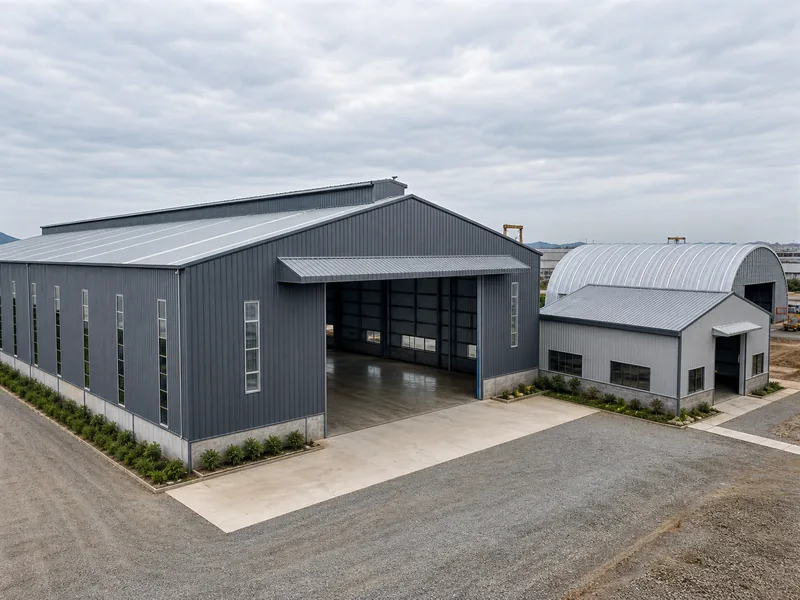
Metal buildings fall into two separate classification systems that buyers often blur together: the shape of the load-carrying frame, and the method used to design and fabricate it. Knowing which system a label belongs to is what keeps a project from being scoped around the wrong constraint. “Rigid frame” describes geometry, “pre-engineered metal building” describes a production approach, and the same structure can be both at once.
This guide maps the main metal building types along both, pairs each with the uses it actually fits, and closes with the order in which the choices should be made. It does not cover detailed cost estimates, erection sequencing, roofing material choices, or any single building type in depth, since those each belong to their own guides.
Two Ways to Classify Metal Buildings: Frame Style vs. Construction Method
Most confusion about metal building types comes from mixing two independent questions: what the primary frame looks like, and how that frame is engineered and built. The first question sorts buildings by frame style, such as rigid frame, web truss, tube steel, C-channel, or arch. The second sorts them by construction method, such as pre-engineered, structural steel, cold-formed, or post-frame.
These two classification layers are independent, and they cross. A frame style describes how loads travel to the ground; a construction method describes how the parts are designed, fabricated, and assembled. On a real quote the two rarely line up in a tidy one-to-one way. A warehouse can be specified as a pre-engineered building that uses a tapered rigid frame, while a backyard shop might be cold-formed steel bent into a simple portal. Reading any single label as the whole answer is where scoping goes wrong.
Main Types of Metal Buildings by Frame Style
By frame style, metal buildings split into five recurring shapes, each defined by how it carries roof and wind loads down to the foundation. The table sums up where each shape fits before the sections below add the detail.
| Frame style | Best fit | Main limitation | First variable to verify |
|---|---|---|---|
| Rigid frame (I-beam / red iron) | Warehouses, plants, hangars needing wide clear span | Higher cost; heavy sections often need cranes | Required clear span and load |
| Web truss / open-web | Agricultural buildings, mid-size commercial, arenas | Span ceiling sits below a solid rigid frame | Span against steel-weight saving |
| Tube steel | Carports, small sheds, entry-level garages | Not suited to wide openings or heavy loads | Local wind and snow load |
| C-channel | Workshops, single and double garages, small units | Fewer size options than engineered frames | Whether a standard footprint fits |
| Quonset (arch) | Low-cost storage, agricultural cover | Curved walls cut usable space at the edges | Usable interior width and openings |
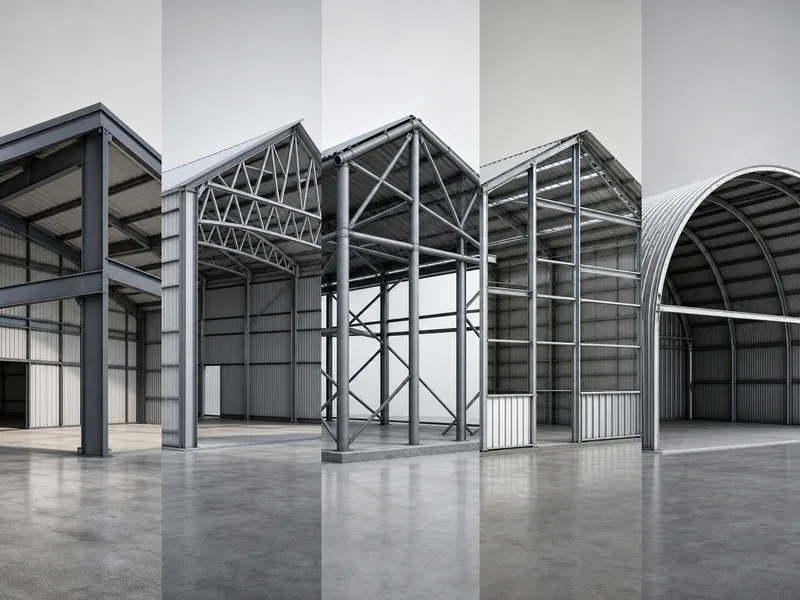
Rigid Frame (I-Beam / Red Iron) Buildings
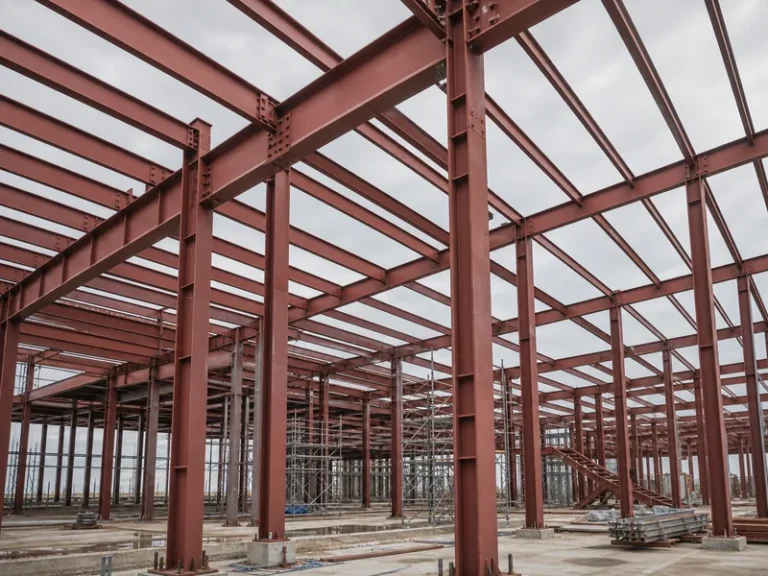
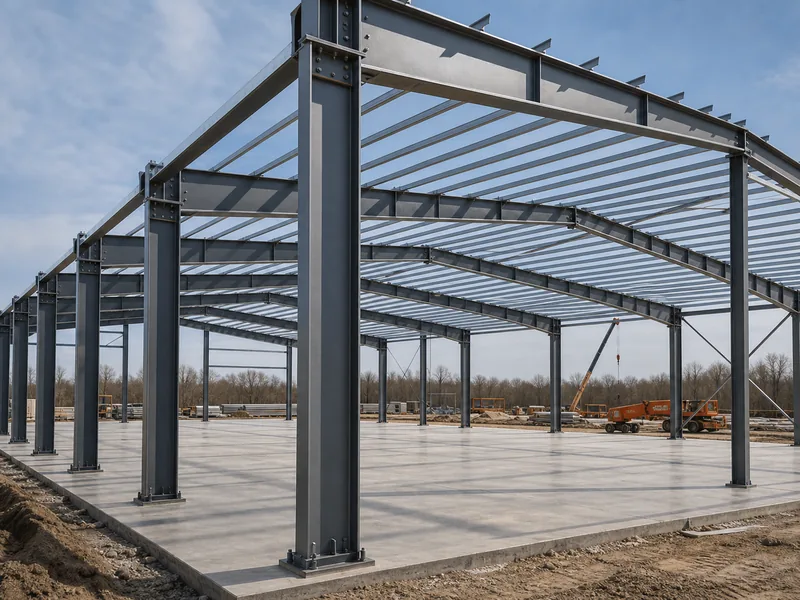
Rigid frame buildings use solid steel I-beams, often called red iron, as the primary structure. Among common systems they typically provide the widest column-free spans and the highest load capacity when engineered for the load and bay spacing. That capacity has a price, because the heavy sections usually call for cranes and experienced crews, so budgets run higher than for lighter framing. Rigid frames suit warehouses, manufacturing plants, hangars, and any use where uninterrupted interior width matters more than the upfront number. For projects built around large clear-span requirements, the rigid frame is usually where sizing starts.
Web Truss and Open-Web Steel Buildings
Web truss buildings replace solid beams with triangulated open webs, trading some span capacity for lower steel weight and material cost. Because the truss carries load through its diagonals instead of a solid section, it uses less steel across moderate spans, though its practical clear-span ceiling sits below that of a solid rigid frame. Hybrid versions pair solid columns with open-web rafters to push spans wider while holding cost down. Open-web framing fits agricultural buildings, mid-size commercial shells, and riding arenas where spans are generous but not extreme.
Tube Steel Buildings
Tube steel buildings frame with hollow square tubing and are built for speed and low price rather than long spans or heavy loads. The lightweight tubes bolt together quickly, which is why they dominate carports, small sheds, and entry-level garages. Many entry-level tube-frame packages are not the right fit for wide openings or demanding wind and snow loads, and engineered tube systems still need local load verification before they are counted on for code-rated capacity.
C-Channel Steel Buildings
C-channel buildings use cold-rolled C-shaped members and sit between light tube structures and heavy rigid frames. The C-sections add rigidity over tube steel while staying easy to ship and assemble, which suits workshops, single and double garages, and small commercial units. Size options are usually narrower than for engineered rigid frames, so C-channel fits standard footprints better than custom-span buildings.
Quonset (Arch) Steel Buildings
Quonset buildings form a self-supporting arch from corrugated steel panels, with no internal columns or separate frame at all. The arch ships as a bolt-together kit and ranks among the lowest-cost metal structures, which keeps it in use for storage, agricultural cover, and military-style shelters. Its curved walls cut usable space near the edges, so straight-wall interiors and conventional door or window layouts are harder to fit.
Construction Methods: PEMB, Structural Steel, Cold-Formed, and Post-Frame
Metal buildings are also described by four construction methods, each with its own lead time, foundation demand, and on-site workflow. This classification layer tends to move budget and schedule more than the frame silhouette does.
| Construction method | What it is | Typical scale / use | Key trade-off to check |
|---|---|---|---|
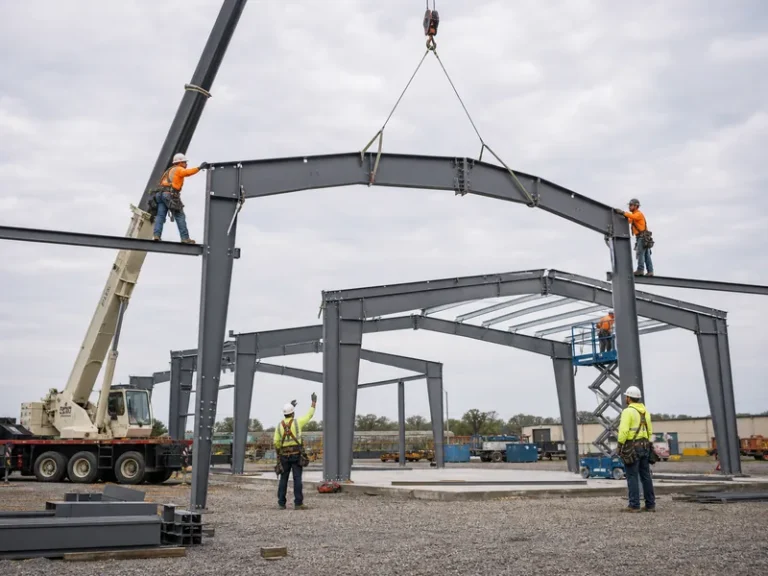
| Pre-Engineered Metal Building (PEMB) | Factory-designed kit; parts cut and punched off-site, bolted up on site | Warehouses, plants, larger commercial | Economical and fast at scale; the design is fixed early, so later changes cost more |
| Structural Steel Framing | Heavy sections engineered, and often welded, for one specific design | Complex, high-load, multi-story or architectural | Most structurally flexible; longest lead time and highest skilled-labor input |
| Cold-Formed (Light-Gauge) Steel | Thin steel roll-formed into studs, joists, and purlins | Small buildings, infill framing, light commercial | Light and quick with smaller footings; lower span and load ceiling |
| Post-Frame (Pole Barn) | Vertical posts carry load to the ground; girts and trusses span between | Agricultural, storage, low-rise rural | Simple and low-cost; wood posts need rot protection |
These methods are not rivals to the frame styles above; they describe how a frame gets engineered, not what it looks like. A pre-engineered building usually arrives as a rigid frame, cold-formed framing leans on C- and Z-shaped purlins, and post-frame construction can use either steel or treated wood posts. Because lead time, foundation size, and crew skill follow the method, this classification layer is the one most likely to set the schedule.
Cold-formed purlins and girts are worth a second look here. They have to be sized against the actual wind and snow load rather than a catalog default, and in high-load regions the lighter gauges run out of capacity sooner than buyers expect. Confirming those member sizes early is cheaper than discovering deflection problems after the shell is up.
Matching Metal Building Types to Common Uses
Working backward from the use is often faster than starting from the frame, because most buildings have a conventional type that fits them. The table pairs common uses with the styles and methods that usually apply, and flags the variable worth checking before any quote.
| Intended use | Frame styles / methods that usually fit | What to verify first |
|---|---|---|
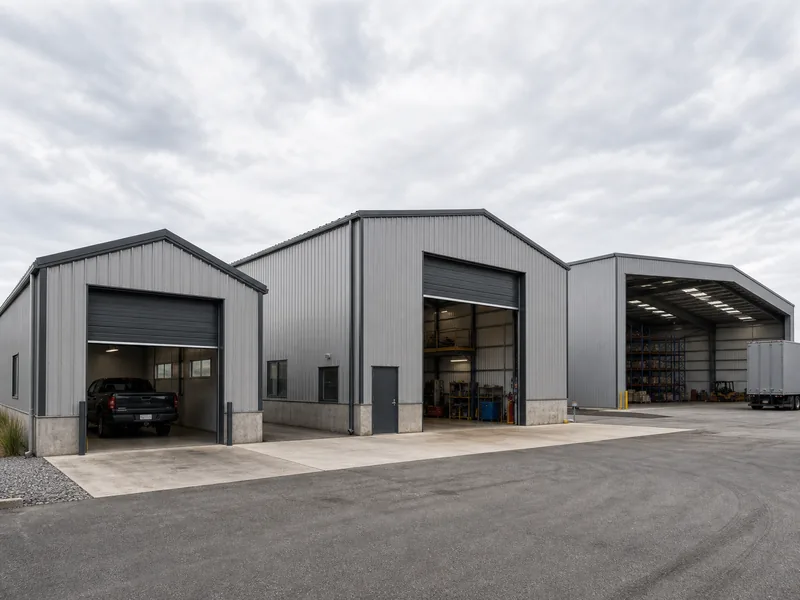
| Single or double garage, workshop | C-channel or tube steel; cold-formed | Door sizes and local wind load |
| Carport, small open shelter | Tube steel | Whether it will later be enclosed and snow-loaded |
| Warehouse, distribution, plant | Rigid frame, built as a PEMB | Required clear span and room to expand |
| Aircraft hangar, riding arena | Rigid frame or hybrid web truss | Door opening width and column-free span |
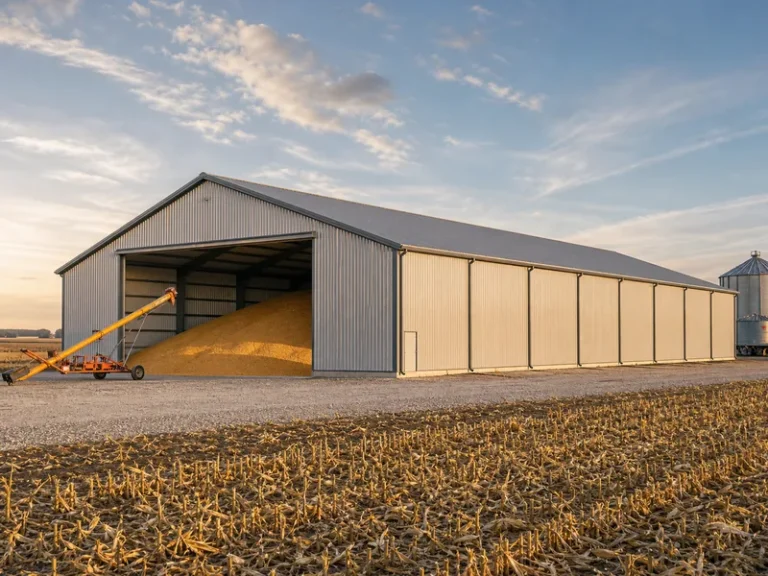
| Barn, equipment storage, agricultural | Post-frame or open-web | Ground conditions and post protection |
| Multi-story or architectural commercial | Structural steel framing | Code path and fire classification |
The “verify first” column carries more weight than the frame choice itself, since the same garage in a high-snow county and a mild one are not the same engineering problem. Footprint and span targets also tie straight into standard metal building sizes, which usually narrows the type before a single price is discussed.
How to Choose the Right Metal Building Type
Choosing a metal building type works best when the constraints are fixed in order, from use down to geometry, instead of starting from a style you have already seen. Each step narrows the next, so the frame ends up confirmed instead of guessed.
- Define the use and the clear span it requires. A column-free interior points toward a rigid frame or hybrid truss; modest spans open up lighter, cheaper options.
- Pick the construction method against budget and schedule. PEMB tends to win on price and speed at scale, structural steel on complex one-off designs, cold-formed on small light buildings.
- Match the frame style to that method. The method usually implies a frame family, so this step confirms the geometry rather than reopening it.
- Validate against local loads and code. Confirm wind, snow, and seismic demand and the building-code path before locking anything, because these can override an otherwise sensible choice.
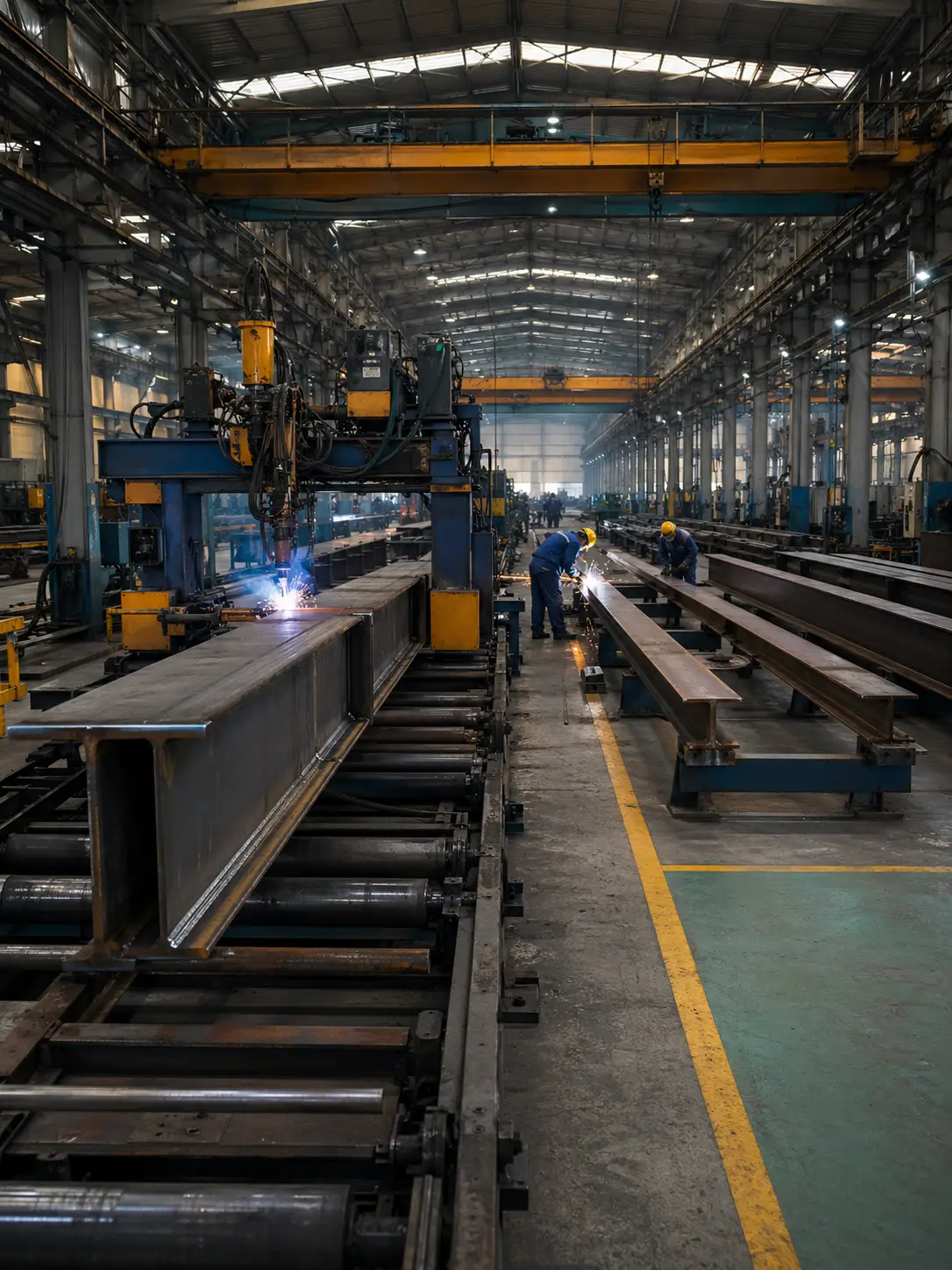
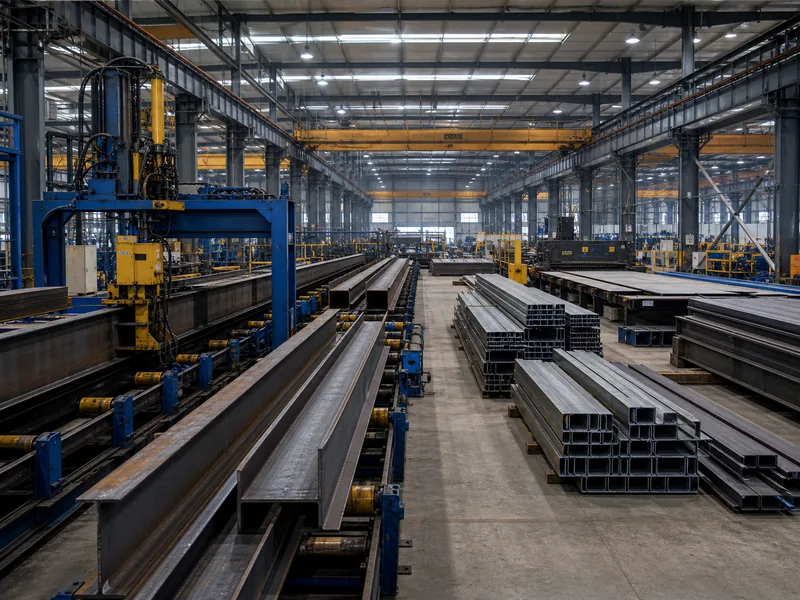
Where a project needs sections or purlins outside standard catalogs, the type is no longer fixed by an off-the-shelf kit. A steel building manufacturer that runs its own H-beam, box-section, and C/Z purlin lines can support project-specific frame and component coordination based on the engineering documents. KAFA, for example, fabricates these at its 20,000-square-meter Qingdao facility under ISO 9001:2015 quality management.
Conclusion: Choosing a Metal Building Type by Constraint
A common mistake is to shop a catalog of metal buildings before defining the constraint the building has to satisfy. Frame style answers how the structure carries load, and construction method answers how it gets engineered and built. The two only resolve once the use and the required clear span are fixed. Set those first, let them point to a method, and treat the frame geometry as the confirmation step instead of the starting point. For anything outside standard spans or load cases, the next move is a manufacturer review of the section sizes and purlin layout, not a larger stock kit.
Frequently Asked Questions
What are the main types of metal buildings?
Metal buildings are classified two ways at once: by frame style and by construction method. Frame styles include rigid frame, web truss, tube steel, C-channel, and quonset arch; construction methods include pre-engineered (PEMB), structural steel, cold-formed light-gauge, and post-frame. Most real buildings combine one frame style with one construction method.
What is the difference between a rigid frame and a web truss building?
Rigid frame buildings carry load through solid steel I-beams, while web truss buildings use triangulated open webs that save steel. The rigid frame reaches wider column-free spans and higher loads; the web truss costs less in material across moderate spans but reaches its span limit sooner.
PEMB, post-frame, or cold-formed — which construction method should I choose?
Construction method follows scale and budget more than appearance. PEMB suits larger warehouses and plants where speed and price at scale matter, post-frame fits agricultural and low-rise rural buildings, and cold-formed light-gauge fits small structures and infill framing where loads stay modest. The deciding factors are span, load, and how fast the building has to go up.
Which type of metal building offers the widest clear span?
Rigid frame buildings, along with hybrid web-truss variants, offer the widest column-free clear spans among common metal building types. The exact span depends on load, bay spacing, and section depth, so the usable figure should come from an engineered design rather than a rule of thumb.
Are metal buildings classified by construction type or fire resistance?
Building codes classify structures by construction type and fire-resistance requirements, and steel matters here because it is non-combustible. The IBC defines construction types with different fire-resistance requirements, but the class that applies to a given project depends on its occupancy, size, and local code, which a design professional confirms.