Typical Warehouse Sizing by Footprint and Clear Height

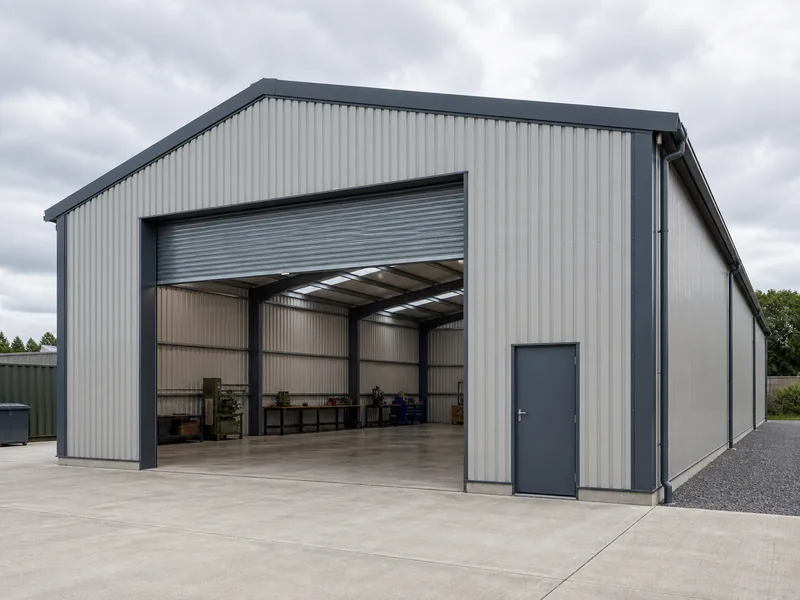
Interior of a steel-frame warehouse with high clear height and pallet racking

Typical warehouse sizing spans a wide range, from small units under 25,000 square feet to distribution centers above 500,000 square feet. The “average” warehouse figure you see quoted hides two very different numbers. Measured across the entire U.S. building stock, the average warehouse is only about 17,400 square feet, because most warehouses are small. Measured … Read more

Warehouse Construction Materials and How to Choose Them

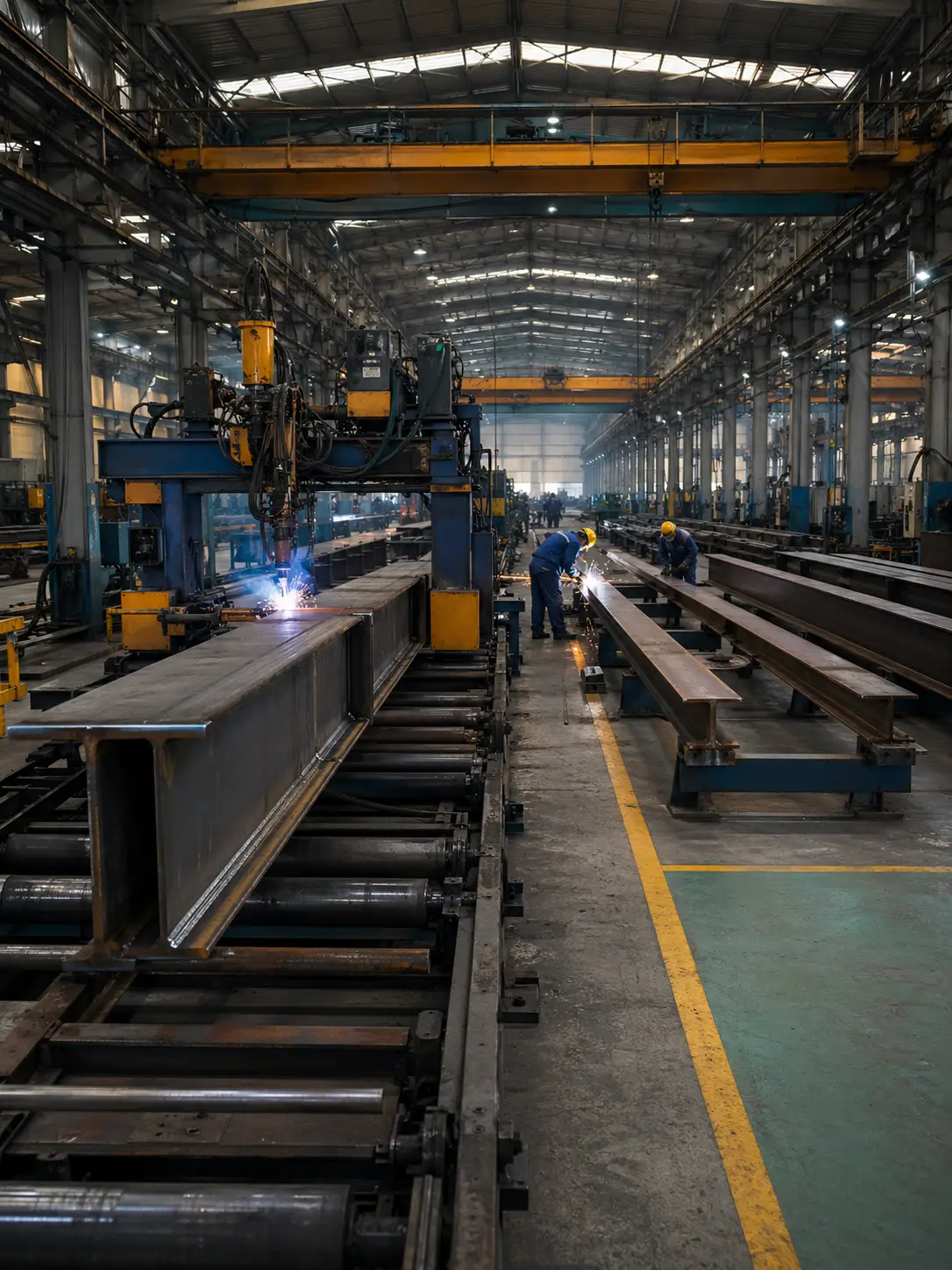
Steel rigid frame with purlins and girts for a warehouse under construction

Warehouse construction materials fall into a handful of groups — a structural steel frame, a concrete foundation and floor slab, metal roofing and wall cladding, secondary framing, and insulation — and the right combination depends on the loads you carry, your local climate, what you store, and your budget. No single material wins on every … Read more

How Many Mobile Homes Per Acre? Usually 5 to 8

Aerial view of mobile homes spaced across a one-acre lot

How many mobile homes fit on an acre usually lands between five and eight, with the realistic range stretching from four to ten. That spread exists because the count is set by zoning, lot-size rules, setbacks, and shared infrastructure, not by the homes themselves. A frequent mistake is dividing 43,560 square feet by a lot … Read more

Customize a Steel Warehouse From the Frame Out

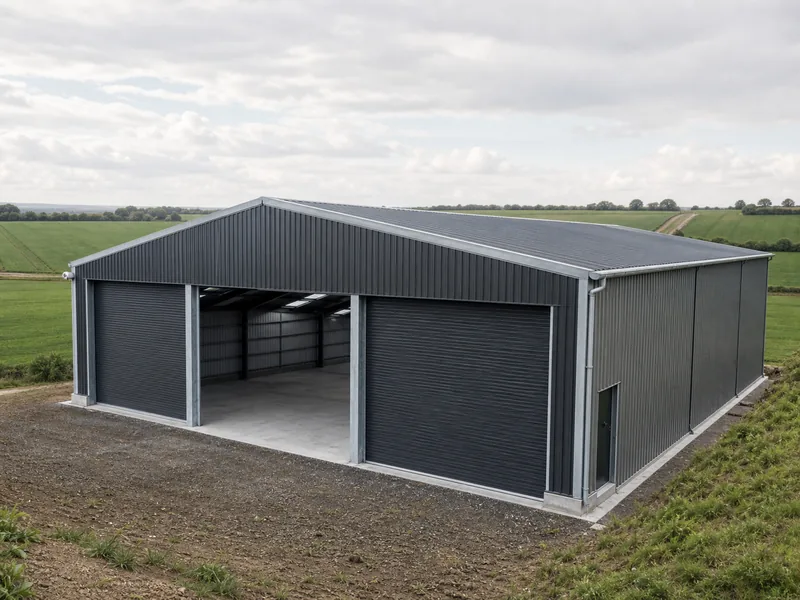
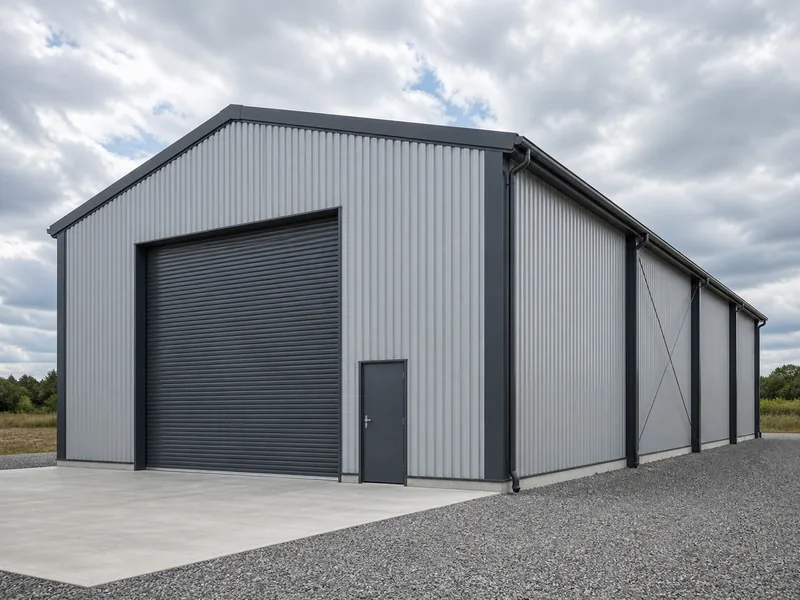
Custom steel warehouse with clear-span frame and tall roller doors

Customizing a steel warehouse works best from the frame out. A short list of structural choices — clear height, clear-span width, column bay spacing, and loading-dock positions — gets engineered into the rigid frame before fabrication and is effectively permanent. Almost everything else buyers picture when they hear “custom” — overhead doors, insulation, a mezzanine, … Read more

Advantages of a Steel Warehouse

Column-free steel warehouse interior with wide clear-span bays and high racking

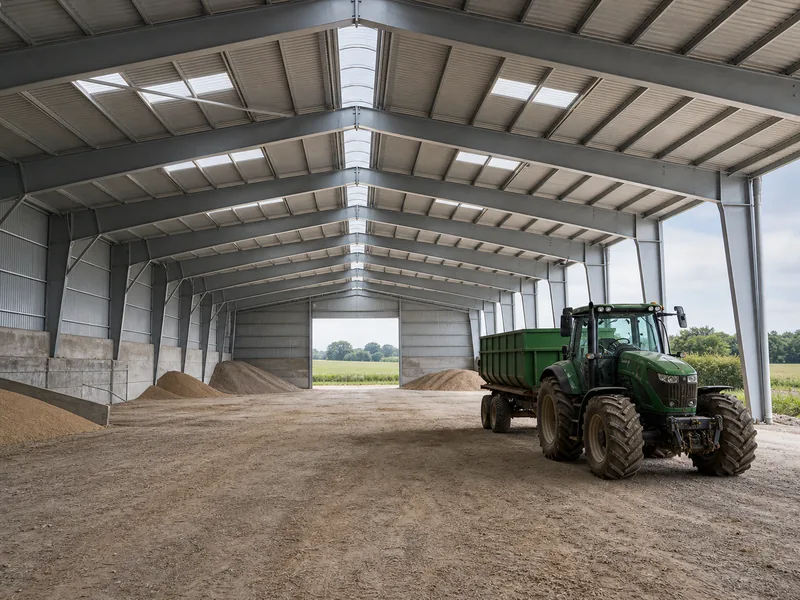
The main advantages of a steel warehouse are concrete and practical: column-free floor space that storage and material handling can use, a shell that goes up in a fraction of the time concrete takes, lower lifetime cost, a frame that resists fire spread, pests, and severe weather, and the freedom to expand later. For most … Read more

Custom Distribution Center Construction

Steel-framed distribution center shell under an open sky

A custom distribution center is built backward from how goods move through it, not forward from a square-foot target. Throughput, the SKU profile, and the balance of receiving, storage, and shipping work set the clear height, the column grid, the number of dock doors, and the floor flatness. Those few decisions, far more than the … Read more

Warehouse Building Design for Storage and Throughput

Steel warehouse building shell with a column-free interior and high clear stacking

Warehouse building design is a chain of structural decisions—clear height, frame and span, column spacing, dock configuration, and load compliance—that together set how much you can store and how fast goods move through the building. Get the cube and the grid right, and a modest footprint holds far more pallets and runs a cleaner forklift … Read more

Building a Warehouse From Planning to Move-In

Steel warehouse under construction with the primary frame raised and roof cladding going on

Building a warehouse turns a storage problem into a construction project, and the decisions that shape the outcome happen early, long before the first column is set. This guide maps the build itself, stage by stage, from defining the purpose through permitting, erection, and the day the space is ready to use. It does not … Read more